 Seminole Siding
 Building Decks That Hold Up in Belleair's Climate
Belleair sits on the Pinellas County peninsula, close enough to the Gulf and the Intracoastal that salt-laden air, high humidity, and intense sun are part of daily life for every exterior surface on a home — decks included. A deck built here isn't just outdoor furniture; it's a structure that has to survive hurricane-force wind gusts, months of unfiltered Florida UV, wind-driven rain that finds its way into every seam, and the slow corrosive drip of salt air on hardware and fasteners. A deck built to a generic national spec, without those conditions in mind, tends to show its age fast — loose railings, rusted fasteners, cupped boards, and soft framing within a few years instead of a couple of decades.
This page is about one thing: building or replacing a deck in Belleair specifically, and what that actually requires from material choice down to the screws.
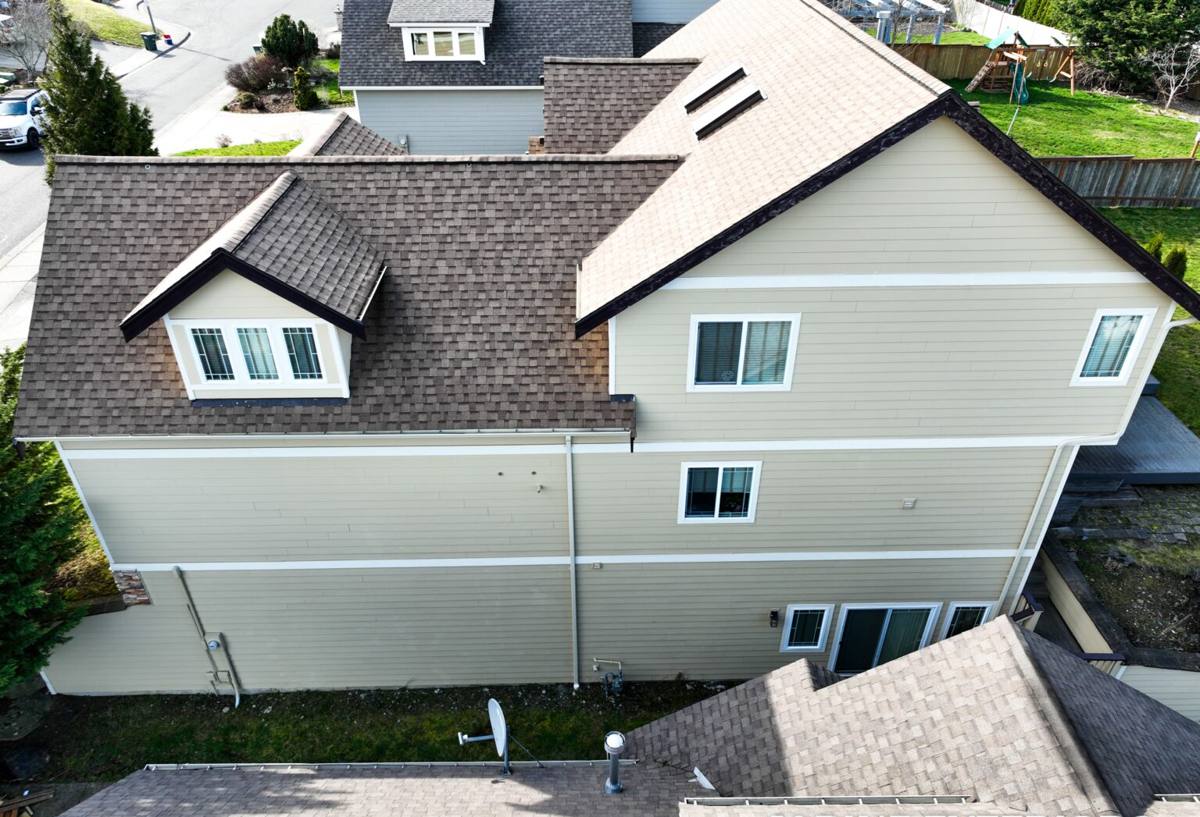
What Belleair Homes Actually Need From a Deck
Every deck we build in this area gets evaluated against the same local realities before a single board is ordered:
Wind Load
Pinellas County sits in a high-velocity hurricane zone, and Belleair is no exception. Railings, post connections, and ledger attachments all need to be engineered for uplift and lateral load, not just vertical weight. A deck that looks solid standing on it in calm weather can still be under-built for what a tropical storm or hurricane season throws at it.
UV and Heat
Direct Florida sun degrades finishes, fades color, and dries out wood fiber faster than almost anywhere else in the country. Decking that isn't rated for sustained UV exposure will fade unevenly, crack, or splinter years ahead of schedule.
Moisture and Humidity
Wind-driven rain during storms doesn't just fall — it gets pushed sideways and up under rail caps, around post bases, and into any gap in flashing or fastening. Combined with Pinellas County's year-round humidity, that moisture has to have somewhere to go, or it sits and rots the structure from the inside.
Salt Air
Even set back from the immediate coastline, homes in this part of the county get measurable salt exposure carried in on Gulf breezes. Salt accelerates corrosion in anything less than marine-grade or coated hardware — screws, joist hangers, bolts, and railing brackets all take the hit first.
Choosing Decking Material for This Environment
There's no single "best" decking material for every homeowner — it depends on budget, how much upkeep you want to do, and how long you plan to stay in the home. What matters is matching the material to Belleair's conditions honestly, including the trade-offs.
| Material | Salt/Moisture Resistance | Maintenance | Typical Lifespan | Relative Cost |
|---|---|---|---|---|
| Pressure-treated pine | Fair — needs sealing | Annual cleaning and re-sealing | 10–15 years with upkeep | Lowest |
| Tropical hardwood (e.g. ipe) | Good, naturally dense | Periodic oiling to hold color | 20-25+ years | High |
| Capped composite | Very good | Occasional washing, no sealing | 25-30 years | Mid-High |
| PVC decking | Excellent, no wood fiber | Lowest — soap and water | 25-30+ years | Highest |
We don't push any one product on every homeowner. Pressure-treated wood is a legitimate, budget-honest choice as long as you're realistic about the sealing schedule it needs in this climate. Capped composite and PVC decking cost more up front but shed the maintenance burden that salt air and humidity create for a wood surface. Uncapped or lower-grade composite is one product we generally steer clients away from here — early composite formulations can absorb moisture at the core and swell or mold in humid coastal climates, which is a maintenance headache we'd rather you avoid than sell you into.
Where Decks Actually Fail in Coastal Florida
Decking gets all the attention because it's what you see, but most deck failures we get called out to inspect start below the surface.
Fasteners and Hardware
Standard galvanized screws and brackets corrode faster in salt air than most homeowners expect. We use stainless steel or high-grade coated fasteners rated for coastal exposure, particularly on joist hangers, ledger bolts, and post bases — the connections that hold the whole structure together in wind.
Ledger Attachment
The ledger board — where the deck ties into the house — is the single most common source of moisture intrusion and structural failure on decks nationwide, and wind-driven rain in this region makes it worse. Proper flashing behind the ledger isn't optional here; it's the difference between a deck that lasts and one that rots the rim joist behind it.
Post Footings
Post footings need to be sized and set to local frost-free, high-water-table conditions and engineered for the uplift forces of tropical storm winds, not just the static weight of people standing on the deck.
Railings
Railings take direct wind load and salt exposure at the same time, and they're also a code compliance point — loose or under-engineered railing posts are one of the most common issues we find on older decks in this area.
Permits and Code in Pinellas County
Deck construction in Belleair is subject to local building code review, and most new decks or substantial deck replacements require a permit — this covers structural elements like footing depth, joist spacing, railing height, and guard spacing on stairs. Permit requirements and review timelines are set by the local building department, not by us, and they can vary depending on the deck's size, height off grade, and attachment to the home. We handle the permit process as part of the job rather than leaving it to the homeowner to sort out, because a deck built without required permits can create real problems later — at resale, with insurance, or if it needs repair work down the line.
Our Process for a Belleair Deck Project
- On-site assessment — we look at grade, drainage, sun exposure, existing structure (if it's a replacement), and how the deck ties into the house.
- Design and material selection — sized to your budget and how you'll use the space, with an honest walk-through of material trade-offs for this climate.
- Permitting — drawings and permit submission handled through the appropriate local building department before work starts.
- Framing — footings, posts, beams, and joists built to coastal wind-load requirements, with corrosion-resistant hardware throughout.
- Decking and railing installation — installed to the manufacturer's fastening spec, which matters for both performance and keeping any material warranty intact.
- Final walkthrough and inspection sign-off — we don't consider a deck finished until it's passed the required inspections.
Maintaining a Deck in Salt Air and Humidity
Even the most weather-resistant decking benefits from a basic seasonal routine in this climate. A little attention twice a year keeps small issues from becoming structural ones.
- Rinse salt residue and pollen buildup off decking and railings every few weeks, more often during dry, windy stretches
- Check fastener heads and railing connections for looseness or rust staining at least once a year
- Inspect the ledger board area and any spots where the deck meets the house for signs of water staining
- Clear leaves and debris from between boards so water can drain instead of sitting
- Re-seal or re-oil wood decking on the schedule the product actually needs — don't stretch it to save time
- Walk the underside of the deck after major storms to check post bases and footings for shifting or standing water
Why a Crew That Already Works Belleair Makes a Difference
Deck construction here isn't the same job as building a deck in a dry, inland climate, and a contractor who mainly works elsewhere in the state can miss things that matter — the right fastener spec for salt exposure, footing depths suited to this water table, or how local permitting actually runs. A crew that regularly works in Belleair and the surrounding Seminole and Pinellas County area already knows the wind-load requirements, has a working relationship with the local building department, and has seen firsthand which materials and details hold up here and which ones don't. That's the difference between a deck that needs attention every year and one that quietly does its job for two decades.
Get a Free Estimate for Your Belleair Deck
If you're planning a new deck or need to replace one that's showing its age, we're happy to come take a look, walk the site with you, and give you a straightforward, no-pressure estimate — including an honest read on which materials make sense for your budget and how you use the space. Use the form below to get started.