 Seminole Siding
 Why Decks in Belleair Wear Out Faster Than the Manuals Say
Most decking products are rated and warrantied based on national averages — not on a barrier-island-adjacent community sitting a few miles off Boca Ciega Bay and the Gulf of Mexico. Belleair's combination of intense sun, salt-laden air, and wind-driven rain off the water puts real stress on a deck's structure long before the surface boards start looking bad. By the time boards are visibly cupping, splitting, or graying, the framing underneath — ledger board, joists, posts, and fasteners — has often been absorbing moisture and corrosion damage for years.
A deck replacement done right in this part of Pinellas County isn't just about picking new boards. It's about correcting whatever let the old deck fail in the first place, so the new one doesn't repeat the cycle in five or six years instead of fifteen or twenty.
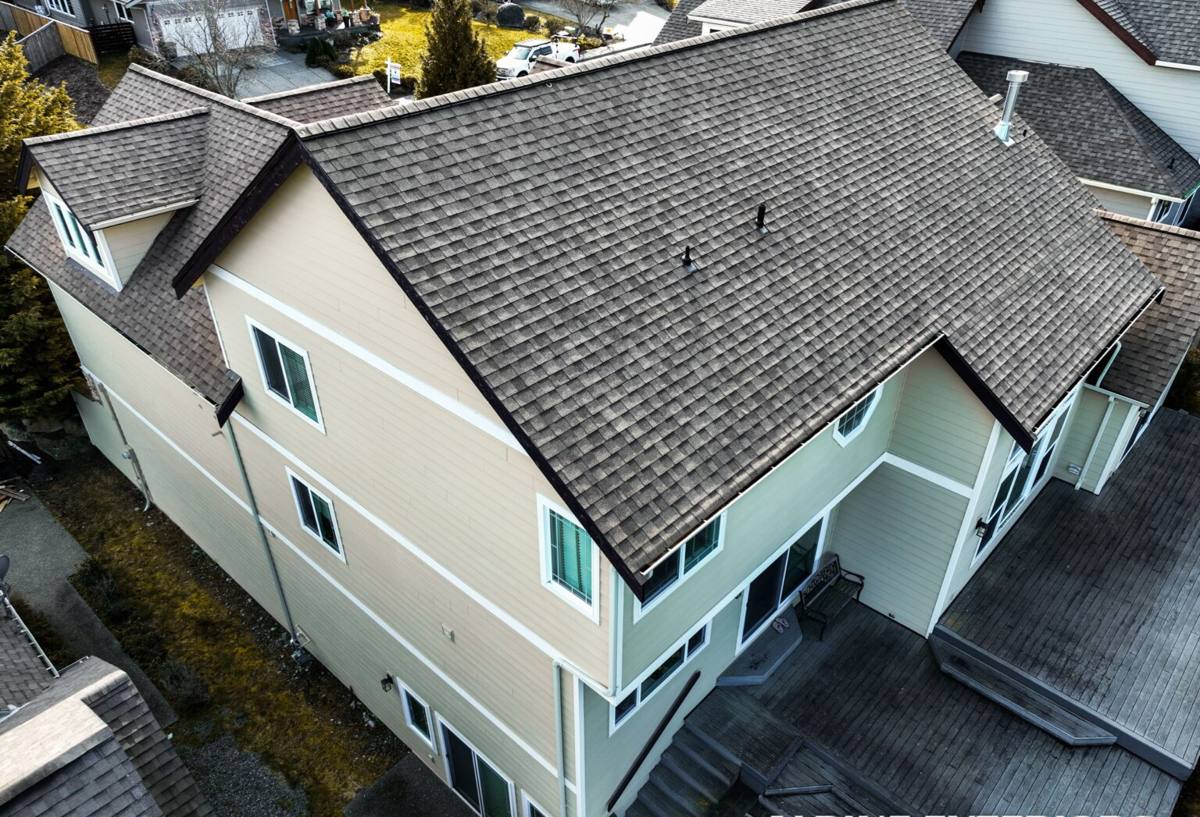
What Belleair's Climate Actually Does to a Deck
Year-Round UV Exposure
Florida's sun angle and the sheer number of sunny days per year mean deck surfaces take far more UV load than decks in most of the country. UV breaks down the lignin in wood fibers, causing graying and surface roughness, and it degrades the plastic resins and pigments in composite and PVC boards over time. Boards facing south and west typically fade and dry out faster than shaded sections, which is why uneven color and texture is one of the first visible signs a deck surface is aging.
Wind-Driven Rain
Storms here rarely fall straight down. Wind pushes rain sideways and up under railings, through board gaps, and into any seam that isn't properly flashed or sloped. Water that gets trapped between boards, around post bases, or at the ledger connection to the house doesn't dry out quickly in Florida's humidity — that's where rot, mold, and fastener corrosion take hold, usually out of sight until the damage is advanced.
Salt Air
Belleair's proximity to the Gulf and Intracoastal means airborne salt is a constant, even well away from direct waterfront lots. Salt accelerates corrosion of metal fasteners, brackets, and hardware, and it can leave a fine residue on deck surfaces that holds moisture against the wood or composite cap. Decks here need corrosion-resistant hardware as a baseline, not an upgrade.
Hurricane-Force Wind
Pinellas County sits squarely in a wind-borne debris and high-wind design zone. A deck attached to a house has to resist uplift and lateral loads during tropical storms and hurricanes, which means ledger attachment, post-to-footing connections, and railing anchorage all matter as much as the decking material itself. A deck that looks fine but was never properly attached is a liability risk in a storm, not just a maintenance headache.
Signs Your Belleair Deck Needs Replacing, Not Just Repairing
Not every aging deck needs a full tear-out. But certain signs point to structural or systemic problems that a board-by-board patch job won't fix.
- Soft, spongy, or springy sections when you walk across the deck
- Visible rot, dark staining, or soft wood at the ledger board where the deck meets the house
- Rust streaks running down from screws, bolts, or joist hangers
- Posts that wobble or footings that have shifted, heaved, or cracked
- Railings that flex noticeably when leaned on
- Boards cupping, splitting, or pulling away from fasteners across most of the deck rather than a few isolated spots
- A deck built before current wind and attachment codes were enforced, with no documentation of ledger flashing or proper hardware
If it's one or two boards, that's a repair. If it's the framing, the ledger connection, or the deck is old enough that nobody can confirm how it was originally attached, replacement is the honest answer — patching around a compromised structure just delays the real cost.
Material Options for a Belleair Deck Replacement
There's no single "best" decking material — there's a best fit for how you use the deck, your maintenance appetite, and your budget. Here's how the common options actually perform in this climate.
| Material | How It Handles This Climate | Maintenance | Typical Lifespan Here |
|---|---|---|---|
| Pressure-treated wood | Affordable, but UV and humidity cause graying, checking, and splintering faster than in drier climates | Annual cleaning and re-sealing recommended | 10–15 years with upkeep |
| Tropical hardwood (e.g., ipe) | Naturally dense and rot-resistant, holds up well to moisture; needs oiling to keep color | Periodic oiling; higher upfront cost | 20-plus years |
| Capped composite | Cap layer resists moisture absorption and salt residue; fade resistance varies by brand and color | Occasional washing, no sealing or staining | 20–25 years |
| PVC decking | No wood fiber to rot or absorb moisture; performs well in high-humidity, salt-air conditions | Low — washing only | 25-plus years |
We install a range of these depending on the homeowner's priorities. We're generally cautious about uncapped composite in this specific climate — the exposed core can absorb moisture at cut edges and fastener points over time, which is a maintenance and warranty consideration worth discussing honestly before you commit to a product.
What a Correct Deck Replacement Actually Involves
The decking boards are the least of what determines whether a deck lasts. Here's what has to be right underneath.
Ledger Attachment and Flashing
The ledger board — where the deck bolts to the house — is the single most common failure point in deck collapses nationally. It needs proper structural fasteners (not deck screws), correct flashing to keep water from tracking behind the house's siding or sheathing, and a solid connection into framing, not just into exterior finish material.
Footings and Post Bases
Footings need to be sized and set to Pinellas County soil and frost-line requirements (frost isn't the issue here — soil bearing capacity and settlement are), and post bases should be elevated hardware that keeps wood off standing water rather than posts set directly in concrete, which traps moisture against the post.
Joist Protection and Fastener Selection
Joist tape or a comparable moisture barrier on top of framing keeps rain from soaking into joists through fastener holes — a cheap step that meaningfully extends framing life. Fasteners should be stainless steel or coated for corrosion resistance appropriate to salt air exposure and, where applicable, to the decking material's own manufacturer specs.
Railing and Guard Attachment
Railings take direct wind load and lateral force from people leaning on them. Posts need to be through-bolted into framing, not just screwed into rim joists, and spacing has to meet current guard and baluster code requirements.
Drainage and Slope
A correctly built deck sheds water rather than holding it. Slight slope away from the house and clear gaps between boards let wind-driven rain drain instead of pooling — pooling is what turns a two-day rain event into a mold and rot problem weeks later.
Permits, Codes, and Wind Ratings in Pinellas County
Deck replacement in Belleair and the surrounding Pinellas County area typically requires a permit, and inspections check exactly the structural items above — ledger attachment, footing depth and size, post connections, and guard/railing compliance. Skipping permitting on a deck replacement isn't just a paperwork risk; it means nobody with code expertise ever verified that the structure can handle Florida's wind loads, which matters at resale and matters a great deal in a storm. We handle the permitting process as part of the job rather than leaving it to the homeowner to sort out.
Our Deck Replacement Process
- On-site assessment. We inspect the existing deck's framing, ledger connection, footings, and hardware to determine what's salvageable and what isn't — not every job needs a full teardown, but we tell you honestly if yours does.
- Material and layout discussion. We walk through decking material options, railing style, and layout against your budget and how you actually use the space.
- Permitting. We prepare and submit the permit package required for the scope of work.
- Demolition and disposal. Old decking, framing, and hardware are removed and hauled off.
- Structural rebuild. Footings, posts, ledger attachment, and framing are built or corrected to current code and to hold up against coastal wind and moisture conditions.
- Decking, railing, and hardware installation. Boards, railings, and fasteners are installed per manufacturer specs to keep material warranties intact.
- Final walkthrough and inspection. We review the finished deck with you and coordinate the final permit inspection.
A Quick Readiness Checklist Before You Call for an Estimate
- Note where the deck feels soft, springy, or unstable when you walk it
- Check for rust stains under fasteners or hardware
- Look at the ledger board where the deck meets the house for staining or gaps
- Think through how you actually use the space — grilling, dining, lounging, pool access — since layout and material choices follow function
- Have a rough budget range in mind so we can show you options that fit it honestly
Why a Crew That Already Works in Belleair Matters
A contractor who works regularly in Belleair and the broader Seminole and Pinellas County area already knows the local permitting process, the wind and coastal-exposure code requirements that apply here, and which hardware and fastener grades actually hold up against this specific mix of salt air, humidity, and sun — not generic climate assumptions from a manufacturer spec sheet written for a different part of the country. That local familiarity shows up in fewer surprises during inspection, fewer callbacks for premature wear, and a deck that's actually built for the conditions it has to survive, not just the conditions on paper.
If your deck in Belleair is showing its age or you're planning a full replacement, we're happy to take a look and walk you through what we find — no pressure, no sales script. Fill out the form below for a free estimate.