 Seminole Siding
 Board & Batten in a Clearwater Climate
Board and batten is one of the most requested siding profiles in the Clearwater area right now — vertical panels with raised battens over the seams, giving a home a clean, modern-farmhouse or coastal look that reads well on both older bungalows and newer builds. It's a great-looking profile. It's also one where the material choice matters more than most homeowners realize, because everything about Pinellas County's climate works against a weak substrate: hurricane-force wind gusts that hammer joints and fastener lines, UV exposure that runs near year-round instead of seasonal, wind-driven rain that gets pushed sideways into every seam, and salt air drifting in off the Gulf that accelerates corrosion and finish breakdown on anything not built for it.
We install board and batten siding for homeowners in Clearwater as part of the same Pinellas County service area we already work in Seminole, and we do it with one material: James Hardie fiber cement. Not because it's the only option on the market, but because it's the only board and batten system we've found that holds up to this specific mix of wind, sun, rain, and salt without turning into a maintenance project a few years in.
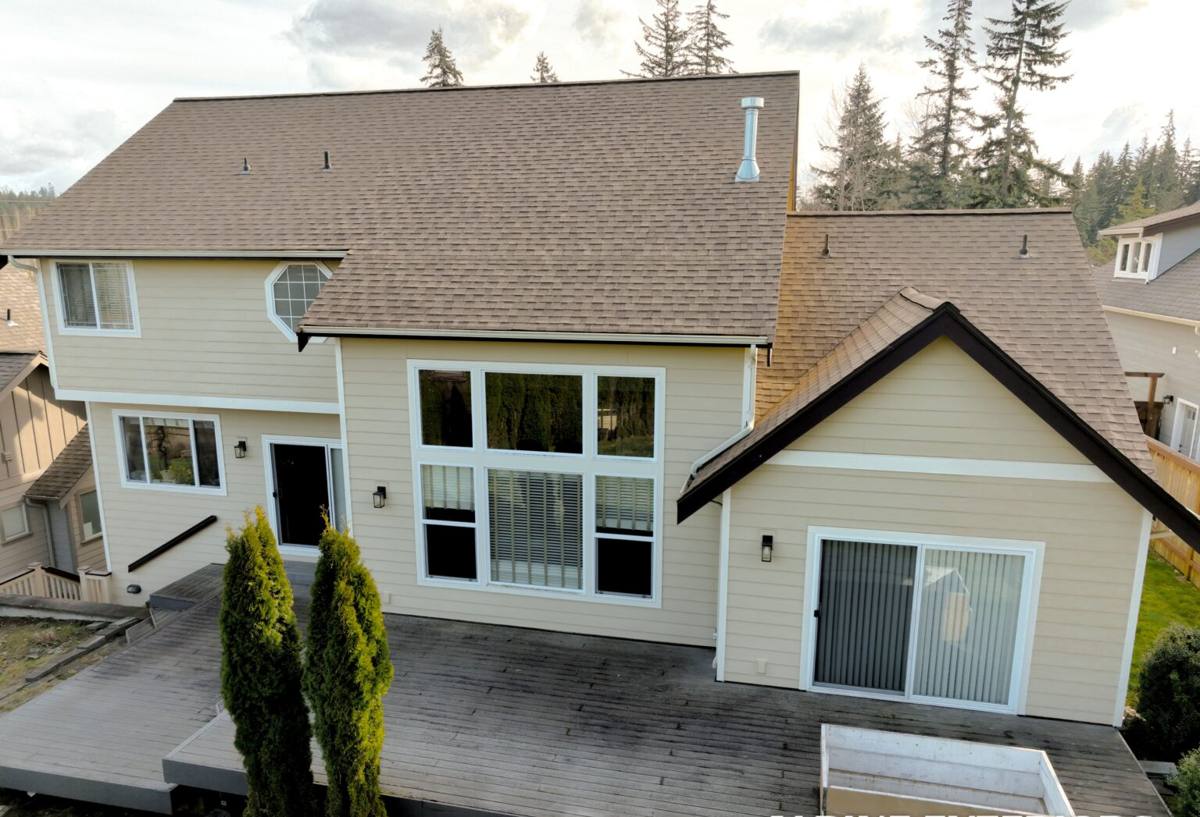
What This Climate Actually Does to Vertical Siding
Board and batten's vertical seams and raised battens are part of its charm, but they're also more exposed to weather than a horizontal lap profile. A few things specific to this stretch of Florida's Gulf Coast matter here:
- Wind: Tropical storm and hurricane activity in Pinellas County put real uplift and lateral load on vertical panels and their fastener lines. A batten that isn't fastened into structural framing on the correct pattern can work loose over a few storm seasons.
- UV: Florida sun is intense and near-constant. Painted or unfinished wood battens chalk, fade, and check faster here than almost anywhere else in the country.
- Wind-driven rain: Storms here don't just drop rain — they push it sideways into vertical seams and batten edges. Any gap in the water-management detailing behind the panel becomes an entry point.
- Salt air: Clearwater's proximity to the Gulf means airborne salt reaches homes well inland of the immediate coastline, accelerating fastener corrosion and finish degradation on materials not engineered for it.
None of that is a Clearwater-only problem — it's a Pinellas County problem, and it's the same reason we approach board and batten the same way whether the job is in Seminole or a few miles over in Clearwater.
What a Correctly Installed Board & Batten Job Involves
The Water-Management Layer Comes First
Before a single panel goes up, the wall needs a code-compliant weather-resistive barrier, correctly lapped and taped, with flashing integrated at every window, door, and penetration. Board and batten's vertical seams put more linear feet of joint on the wall than most horizontal profiles, so this layer is doing more work — it's the actual waterproofing; the siding above it is the weather and impact layer. Skipping or rushing this step is the single most common reason a board and batten job fails early in a climate like ours.
Panel Selection: HZ10 for This Zone
James Hardie engineers its siding by climate zone, and Pinellas County falls in the HZ10 zone — the line built specifically for humid, high-moisture, storm-exposed regions. For board and batten, that typically means HardiePanel vertical siding with matching HardieTrim battens, both engineered and finished for this exposure rather than a generic national product.
Batten Spacing and Fastening
Battens need consistent spacing, correct reveal, and fasteners driven into structural framing — not just through the panel into sheathing — on a pattern that accounts for local wind load requirements. This is where a lot of board and batten installs go wrong: it looks right from the ground, but the fastening underneath wasn't done to withstand a real wind event.
Joints, Corners, and Trim Details
Every vertical panel joint, outside corner, and transition needs correct flashing and sealant detailing — done with products compatible with fiber cement, not generic caulk that fails under UV and movement. Corners in particular take a lot of both sun exposure and wind pressure and need to be built to hold up to both.
The Factory Finish
James Hardie's ColorPlus finish is baked on at the factory under controlled conditions, which is a meaningfully different process than field-painting a batten on site. In a UV and salt-air environment like this one, a factory-cured finish holds color and resists chalking longer than most site-applied paint jobs, and it comes backed by its own finish warranty separate from the substrate warranty.
Why We Only Install James Hardie — Even for This Profile
Board and batten can be built out of several materials, and we've thought through all of them. Here's our honest read on why we standardized on James Hardie fiber cement and don't offer the alternatives:
- Cedar or primed spruce battens: They can look beautiful when new, but real wood in this climate needs an ongoing paint and sealant maintenance schedule to keep moisture out of end grain and joints. Skip a cycle or two in Gulf Coast sun and salt air, and you're looking at rot, cupping, and repainting sooner than most homeowners expect going in.
- Vinyl board and batten: It's the lowest upfront cost option, but vinyl softens and can distort in sustained high heat, and it's more vulnerable to cracking under wind-driven debris impact than fiber cement. It also can't be painted a different color down the road without special products.
- LP SmartSide: An engineered wood product — better moisture resistance than raw wood, but it's still wood-based, meaning cut edges and any breach in the factory finish are vulnerable points for moisture intrusion over time, especially in a climate that gets this much wind-driven rain.
- Other fiber cement brands (Cemplank, Allura): These are legitimate fiber cement products, but we don't install anything we haven't fully vetted for warranty structure, regional engineering, and consistent panel quality — and James Hardie is the one we've settled on for all of it.
None of these are bad products in the abstract. They're just trade-offs we don't think are worth asking a Clearwater homeowner to accept when a better-engineered option exists for this exact climate. James Hardie fiber cement is non-combustible, doesn't rot, resists pest damage, and comes with a strong transferable limited warranty backed by a large, established manufacturer — which matters when you're planning to be in the home for a while, or planning to sell it.
Comparing Board & Batten Materials for This Climate
| Material | Moisture/Rot Resistance | Wind & Impact Durability | UV/Finish Longevity Here | Maintenance Burden |
|---|---|---|---|---|
| James Hardie fiber cement (HZ10) | Excellent — cement-based, engineered for this humidity zone | Strong; rated for high-wind installation when fastened to spec | Factory ColorPlus finish holds up well to Gulf Coast sun | Low — no periodic repainting required with ColorPlus |
| Cedar / primed spruce | Vulnerable without diligent upkeep | Moderate; wood battens can split or cup over time | Fades and chalks faster; needs repainting on a cycle | High — ongoing sealing and repainting |
| Vinyl board and batten | Good (won't rot) but can warp in heat | Weaker under wind-borne debris impact | Can fade and become brittle with prolonged UV exposure | Low, but limited repair/color options |
| LP SmartSide | Better than raw wood, still wood-based | Decent when intact; vulnerable at breached edges | Factory finish, but less proven long-term in coastal salt air | Moderate — edge sealing and finish inspection needed |
How Our Process Works
Every board and batten job we take on in Clearwater starts the same way we'd handle it in Seminole:
- On-site assessment — we look at the existing wall assembly, current siding condition, and any moisture or rot already present before quoting anything.
- Material and color selection — walking through HZ10 panel options, batten reveal spacing, and ColorPlus color choices for the home.
- Tear-off and substrate check — removing existing siding and inspecting sheathing for damage that needs to be addressed before new water-resistive barrier goes on.
- Weather barrier and flashing installation — the step that determines whether the siding above it actually keeps water out.
- Panel and batten installation — fastened to spec for Pinellas County wind requirements, not just "however it looks straight."
- Final trim, caulking, and walkthrough — checking every joint and corner before we call the job done.
Because we already work this part of Pinellas County, we're not learning local permitting requirements or wind-load specifics on your job — we've already dealt with them on homes nearby.
What to Look For in Any Contractor's Board & Batten Work
- Do they specify which weather-resistive barrier and flashing tape they use, or just say "we'll wrap it"?
- Do they know the fastening pattern required for this wind zone, or are they guessing at spacing?
- Are they installing a climate-engineered product line (like HZ10) or a generic national panel?
- Will battens be fastened into structural framing, not just sheathing?
- Do they carry manufacturer certification for the specific product they're installing?
- Is the warranty transferable if you sell the home?
Maintenance and Long-Term Care
One of the practical advantages of a correctly installed James Hardie board and batten system in this climate is how little ongoing maintenance it actually needs. There's no repainting cycle to plan around the way there is with wood. What it does need is the same thing every siding profile in a coastal climate needs: an annual visual check of caulked joints and corners for cracking, a rinse to clear off salt residue and pollen buildup, and prompt attention if a fastener ever works loose after a major storm. None of that is expensive or time-consuming, but skipping it for years at a stretch is how small issues in any siding system turn into bigger ones.
Get an Estimate
If you're considering board and batten siding for a home in Clearwater, we're happy to come take a look, walk you through the HZ10 panel and color options, and give you a straight, no-pressure estimate — no obligation, and no pitch for a product we don't stand behind. Fill out the form below to get started.