 Seminole Siding
 Why Largo Homes Need Windows Built for This Climate
Largo sits close enough to the Gulf that its homes take on the same weather stress as the rest of coastal Pinellas County: hurricane-force winds during storm season, intense UV exposure nearly year-round, wind-driven rain that finds every gap in a poorly sealed frame, and salt-laden air that corrodes hardware and finishes faster than it would inland. Windows here aren't just a comfort upgrade or a way to let in more light — they're one of the most exposed components on the house, and when they're undersized, poorly sealed, or the wrong material for the environment, the problems show up as fogged glass, swollen frames, water stains under the sill, and rising energy bills long before the window's rated lifespan is up.
"Custom" windows matter in Largo specifically because so much of the local housing stock includes older homes, additions, and remodels where openings were never standard sizes to begin with. A correct custom window job accounts for the exact rough opening, the wall assembly behind it, and the wind and water exposure that particular elevation of the house actually faces — not a one-size-fits-all catalog fit.
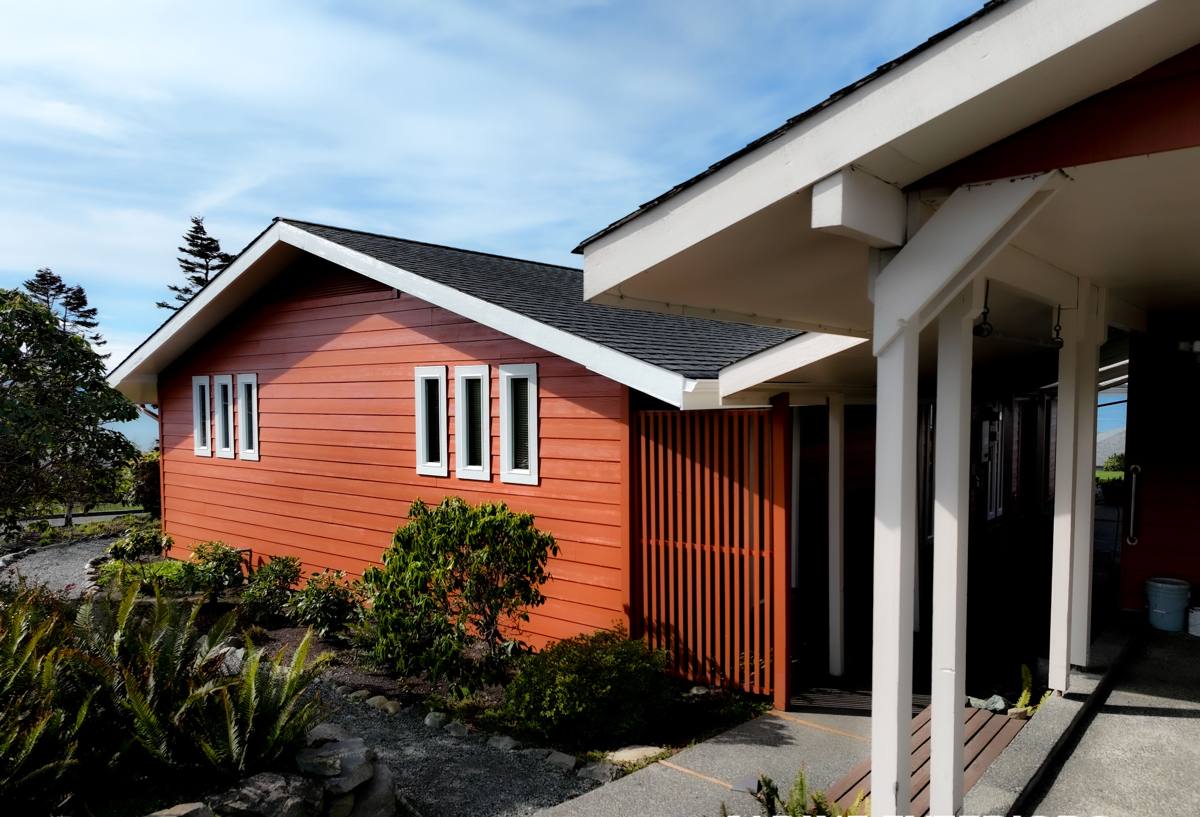
What "Custom" Actually Means for Window Replacement
Custom doesn't necessarily mean unusual shapes or high-end architectural glass, though we do that work too. Most of the time it means the window is built or ordered to match an opening that doesn't match a stock size — common in homes that have settled over the decades, additions that were framed slightly off from the original structure, or older Florida block construction where openings were never standardized in the first place.
Situations Where Custom Sizing Is the Right Call
- Older block or frame homes with openings that are off-square or off-standard by even half an inch
- Additions or Florida rooms where the window opening was framed to fit available space, not a catalog size
- Replacing a picture window, bay, or arched opening that isn't sold as a stock unit
- Upsizing or downsizing an opening as part of a broader remodel or exterior update
- Matching a specific sightline or grid pattern to keep a home's original character
Trying to force a stock-size window into a non-standard opening usually means shimming, gapping, or trimming out problems that show up later as air and water infiltration — exactly the failure points that matter most in a wind-driven-rain climate like this one.
Impact Glass vs. Standard Glass with Shutters
Florida's building code requires every window opening in a home to either be impact-rated or paired with an approved form of storm protection, and Pinellas County enforces that requirement at permitting. For Largo homeowners, the real decision isn't whether to comply — it's whether to meet that requirement with impact-rated glass built into the window itself, or with standard glass plus separate shutters or panels installed before a storm.
| Factor | Impact-Rated Windows | Standard Glass + Shutters |
|---|---|---|
| Storm prep effort | None — protection is built in | Manual install before every storm |
| Daily UV and noise reduction | Better, even outside storm season | No improvement day-to-day |
| Upfront cost | Higher per opening | Lower window cost, added shutter cost |
| Storage and maintenance | None required | Shutters need storage and upkeep |
| Home appearance | Unchanged, no visible hardware | Shutters visible when deployed or stored |
| Insurance considerations | Often eligible for wind-mitigation credit | Credit depends on shutter type and rating |
Neither option is wrong, and we'll be honest with you about the trade-offs rather than steering you toward the more expensive one by default. What matters is that whichever route you take, the product is properly rated and the installation is done to spec — an impact window installed loosely, or a shutter system that doesn't actually cover the full opening, gives you none of the protection you paid for.
Frame Material: What Holds Up in Salt Air
The glass gets most of the attention, but the frame is what takes the brunt of daily UV and salt exposure. We install and work with several frame materials, and each has real trade-offs worth understanding before you choose.
Vinyl
Vinyl is a common, cost-effective choice and performs well in this climate when it's a quality product — it doesn't rust or corrode, and it insulates well. The trade-off is that lower-grade vinyl can discolor or become brittle under sustained UV exposure over many years, so the quality of the vinyl compound matters more here than in a milder climate.
Aluminum
Aluminum is strong and holds tight tolerances well, which is part of why it's common in impact-rated commercial and coastal residential products. Its weak point is thermal conductivity (it transfers heat more than vinyl or fiberglass) and, without a good finish, it can corrode faster in salt air. A properly coated aluminum frame holds up fine; an untreated or poorly finished one won't.
Fiberglass
Fiberglass is the most dimensionally stable option — it doesn't expand and contract with heat the way vinyl and aluminum do, which matters on a west- or south-facing wall in Largo where surface temperatures swing hard between morning and afternoon. It costs more up front, and we don't push it as the default for every job, but for homeowners planning to stay long-term it's worth the conversation.
Installation: Where Most Window Failures Actually Start
We say this to every homeowner we talk to: the window product matters less than the installation. A correctly flashed, sealed, and fastened mid-grade window will outperform a top-tier window that's installed loose or sealed with the wrong material. In a climate with wind-driven rain, the installation details are what determine whether water gets behind the wall assembly.
What a Correct Installation Includes
- Removing the old unit down to the rough opening and inspecting the framing and sheathing for hidden water damage or rot before anything new goes in
- Applying flashing tape and sill pan protection so any water that reaches the opening drains back out, not into the wall
- Using fasteners and anchoring rated for the wind load the opening requires, not just what's convenient
- Sealing with a compatible, weather-rated sealant at every joint — not a generic caulk that will fail under UV within a couple of seasons
- Verifying the unit is plumb, level, and square before final fastening, so hardware operates correctly and weatherstripping seats properly
- Interior and exterior trim finished to shed water away from the opening, not toward it
Skipping or rushing any one of these steps is how a "new window" ends up with a soft spot in the wall two years later. It's also why we don't subcontract this work out to whoever's available that week — the crew that shows up at your Largo home needs to know these details cold.
Permitting in Pinellas County
Window replacement in Largo and the surrounding Seminole area typically requires a permit, and the county reviews window products against Florida Building Code wind-load and impact requirements for the specific location and exposure of your home. This isn't paperwork for its own sake — it's the mechanism that confirms the window you're installing is actually rated for the wind pressures your home's location and elevation will see.
We pull the permits, provide the product approval documentation the county requires, and schedule the inspections as part of the job — not as an add-on you have to chase down yourself. Skipping this step to save time or money is a real risk: unpermitted work can complicate a home sale, an insurance claim, or a future wind-mitigation inspection.
Our Process, Start to Finish
- On-site assessment: We measure every opening individually, check the condition of the surrounding framing, and talk through what each opening actually needs based on its exposure and the home's construction.
- Product and glass selection: We walk through frame material, glass rating, and grid or style options based on your budget and how the home is used — no pressure toward the most expensive option.
- Written estimate: A clear, itemized quote so you know what you're paying for per opening, not a vague lump sum.
- Permitting: We handle the Pinellas County permit application and product documentation.
- Installation: Removal, inspection of the opening, flashing and sealing, setting the unit, and finish trim — done by our crew, not a rotating sub.
- Inspection and walkthrough: We confirm the permit inspection passes and walk the job with you before calling it done.
Living With Custom Windows in a Coastal Climate
New windows still need basic upkeep, especially this close to the Gulf. A little attention twice a year keeps them performing the way they should for their full rated lifespan.
- Rinse frames and tracks periodically to clear salt residue, especially after long dry stretches followed by rain
- Check weatherstripping and seals for wear once a year, ideally before hurricane season
- Keep weep holes on impact and standard windows clear of debris so water drains properly
- Lubricate hardware (locks, cranks, rollers) as recommended by the manufacturer
- Watch for condensation between panes — it usually signals a failed seal, not a cleaning issue
Why It Matters That We Already Work in Largo and Seminole
A crew that already works this specific area knows what Largo's housing stock actually looks like — the mix of older block construction, additions, and remodels that don't always match stock window sizes — and knows what Pinellas County's permitting office expects on submittal, which keeps your project from stalling on paperwork. We're not learning the local wind-exposure categories or flashing details for the first time on your house. That local familiarity is part of what keeps a custom window job on schedule and installed correctly the first time.
If you're weighing whether it's time to replace windows in a Largo-area home, we're glad to take a look and give you a straightforward, no-pressure estimate — no obligation, just an honest read on what your home actually needs. The form below gets you started.