 Seminole Siding
 Deck Building in Indian Rocks Beach
Indian Rocks Beach sits right on the Gulf, which means any deck built here is working under tougher conditions than a deck built a few miles inland in Seminole or elsewhere in Pinellas County. Salt-laden air, near-constant UV exposure, wind-driven rain, and the real possibility of hurricane-force gusts all act on exposed wood, fasteners, and framing every single day. A deck that would hold up fine in a drier, calmer climate can start showing problems within a couple of seasons out here if it wasn't built with this specific environment in mind.
We build decks for homeowners across Seminole and the surrounding Pinellas County beach communities, and Indian Rocks Beach projects get the same attention to material selection and fastening detail as any coastal job. This page covers what actually matters when you're adding or replacing a deck this close to the water, and how we approach the work.
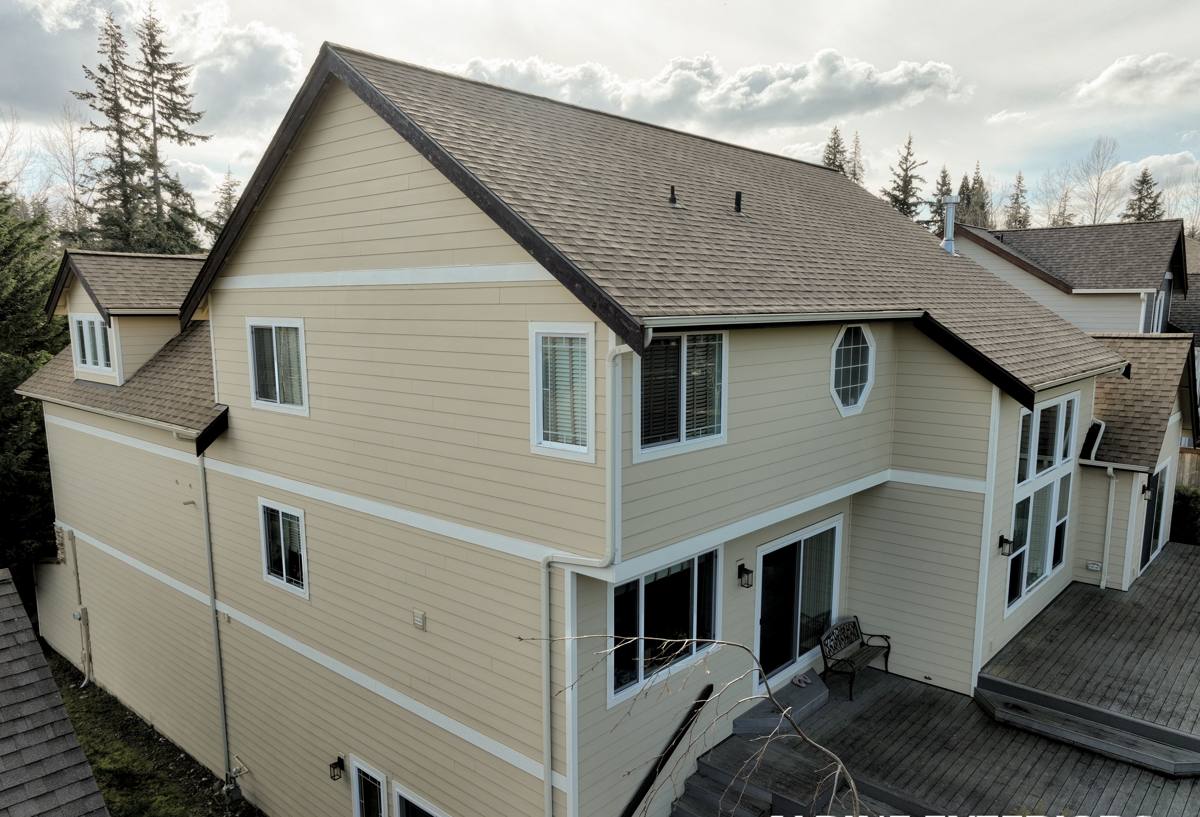
What the Coastal Environment Does to a Deck
It helps to understand the specific ways this climate attacks a deck, because it explains almost every material and construction decision that follows.
Salt Air and Corrosion
Airborne salt doesn't stay near the shoreline — it travels on the wind and settles on everything, including deck fasteners, structural hardware, and railing components. Standard hardware-store screws and brackets corrode faster here than almost anywhere else in the state. Corroded fasteners lose holding strength quietly, often long before any visible sign shows up on the deck surface, which is why fastener selection is one of the first things we talk through with a homeowner.
UV Exposure
Florida sun is intense year-round, not just in summer. UV breaks down the lignin in wood fiber and degrades the UV inhibitors in composite decking and finishes over time. Unprotected or poorly finished wood grays, splits, and roughens faster under this sun than most homeowners expect, and composite products vary a lot in how well they actually resist fading and surface breakdown.
Wind-Driven Rain and Moisture Cycling
Storms here rarely come straight down — wind pushes rain sideways into ledger connections, under railings, and into any gap where water can collect. Combined with high humidity, decks near the coast go through constant wet-dry cycling. That cycling is what causes cupping, warping, and rot at connection points if flashing and drainage weren't handled correctly during construction.
Hurricane-Force Wind Loads
A deck isn't just a surface to walk on — it's a structure that has to resist uplift and lateral loads during high wind events. Ledger attachment, post connections, and railing anchoring all need to be sized and fastened for real wind exposure, not just built to the minimum that gets a job done quickly.
What a Correctly Built Deck Looks Like Here
None of the challenges above are reasons to avoid building a deck — they're just reasons to build it correctly the first time. A properly built coastal deck in this area typically includes:
- Stainless steel or coated coastal-grade fasteners and structural hardware, not standard galvanized hardware that corrodes faster in salt air
- Proper ledger board flashing where the deck attaches to the house, to stop wind-driven rain from reaching the framing
- Post bases and hangers rated for the wind exposure category of the site, not generic hardware
- Decking material chosen for actual UV and moisture performance, not just upfront cost
- Railing systems anchored to resist both lateral load and uplift
- Adequate gapping and airflow beneath and between boards so the structure can dry out between rain events
- Footings and post spacing sized for the deck's actual load, not stretched to save material
Skipping any one of these doesn't usually cause an immediate, visible problem. It shows up two, three, or five years later as soft framing, loose railings, or corroded connections that are far more expensive to fix than they would have been to do right from the start.
Choosing Decking Material for This Climate
There's no single "best" decking material for every homeowner — it depends on budget, maintenance tolerance, and how the deck will be used. Here's how the common options actually compare under Gulf Coast conditions.
| Material | UV / Fade Behavior | Moisture Behavior | Maintenance |
|---|---|---|---|
| Pressure-treated wood | Grays and roughens with sun exposure unless refinished regularly | Prone to cupping and splitting if not sealed and maintained | Needs periodic sealing/staining; lowest upfront cost |
| Composite decking | Fade resistance varies significantly by product line and quality tier | Doesn't rot, but poor-quality cores can hold moisture at cut ends | Low; occasional cleaning, no sealing or staining |
| Tropical hardwoods | Naturally dense and UV-tolerant, but will still gray without oiling | Naturally resistant to rot and insects | Periodic oiling to maintain color; otherwise low |
| PVC decking | Strong UV and fade resistance in most product lines | Fully moisture-resistant, doesn't absorb water | Very low; typically the least maintenance of the group |
We'll walk through these trade-offs with you honestly, including what fits your budget, because the "best" material on paper isn't the right choice if it doesn't match how you actually want to maintain and use the deck.
Why We Don't Cut Corners on Fasteners and Hardware
It's tempting for any contractor to use standard galvanized fasteners and hardware because they're cheaper and available everywhere. We treat coastal-grade hardware as the standard on Indian Rocks Beach jobs, not an upgrade option, because the cost difference upfront is small compared to the cost of dealing with a corroded, failing connection a few years down the road. This is a professional standard we hold ourselves to, not a marketing add-on — the fasteners you can't see are what actually keep a deck safe over time.
Our Deck Building Process
Every project starts with an on-site assessment specific to your property — sun exposure, wind exposure, drainage, and how the deck ties into the existing structure of the home. From there:
- Design and material selection — we talk through layout, size, and material options based on your budget and how you'll use the space
- Permitting — Pinellas County and local jurisdictions require permits for most deck construction; we handle the paperwork and inspections
- Structural framing — footings, posts, beams, and joists built to code and sized for actual wind and load conditions, not just minimums
- Flashing and waterproofing — ledger flashing and moisture management done before decking ever goes down
- Decking and railing installation — installed with proper gapping, fastening, and attention to how the material expands and contracts
- Final walkthrough — we go over the finished deck with you, including any maintenance recommendations specific to the material you chose
Permitting and Local Code Considerations
Deck construction in Pinellas County generally requires a building permit, and inspections happen at multiple stages — footings, framing, and final. Because Indian Rocks Beach sits in a coastal flood and wind zone, code requirements here can be more specific than what's required a few miles inland, particularly around elevation, structural connections, and wind load ratings. We handle the permit process as part of the job so you're not left navigating that on your own.
Maintenance Guidance for Coastal Decks
No deck material is completely maintenance-free in this environment, but the right upkeep routine keeps whatever you choose performing well for years. A few practical habits apply across almost every material:
- Rinse salt residue off the deck surface periodically, especially after storms or extended dry, windy stretches
- Keep gaps between boards clear of debris so water and air can move through properly
- Inspect railings and connection points annually for looseness or visible corrosion
- Reseal or refinish wood decking on the schedule appropriate to the product — don't wait until graying is severe
- Address any soft or spongy spots in framing immediately rather than waiting for it to worsen
Why It Matters That We Work Indian Rocks Beach Regularly
A contractor who mostly works inland jobs may not default to coastal-grade hardware, may not think through wind-driven rain intrusion at the ledger, or may spec a decking product without knowing how it actually performs under salt air and constant sun. Working this area regularly means we're not guessing at what holds up here — it's built into how we plan and price every job from the start, whether it's in Indian Rocks Beach, Seminole, or elsewhere along this stretch of Pinellas County coastline.
Get a Free Estimate
If you're planning a new deck or need to replace an aging one in Indian Rocks Beach, we're happy to come take a look and give you a straightforward, no-pressure estimate. Use the form below to get started.