 Seminole Siding
 Building a Deck That Holds Up in St. Petersburg's Climate
A deck in St. Petersburg lives a harder life than a deck almost anywhere inland. Between the intense year-round UV, the wind-driven rain that comes off the Gulf and Tampa Bay, the salt-laden air, and the real chance of hurricane-force wind loads, a deck built to generic specs will show its age fast — cupped boards, corroded fasteners, loose railings, and a substructure that's quietly rotting or rusting where you can't see it. Building correctly here isn't about upselling extras. It's about choosing materials and fastening methods that were never going to be optional in this environment to begin with.
We build decks throughout the St. Petersburg and Seminole area, and the lessons don't change much from job to job: get the structure right, get the fasteners right, and get the drainage and ventilation right, and the deck surface material you choose becomes a much smaller risk. Skip any of those and even a premium decking board will fail early.
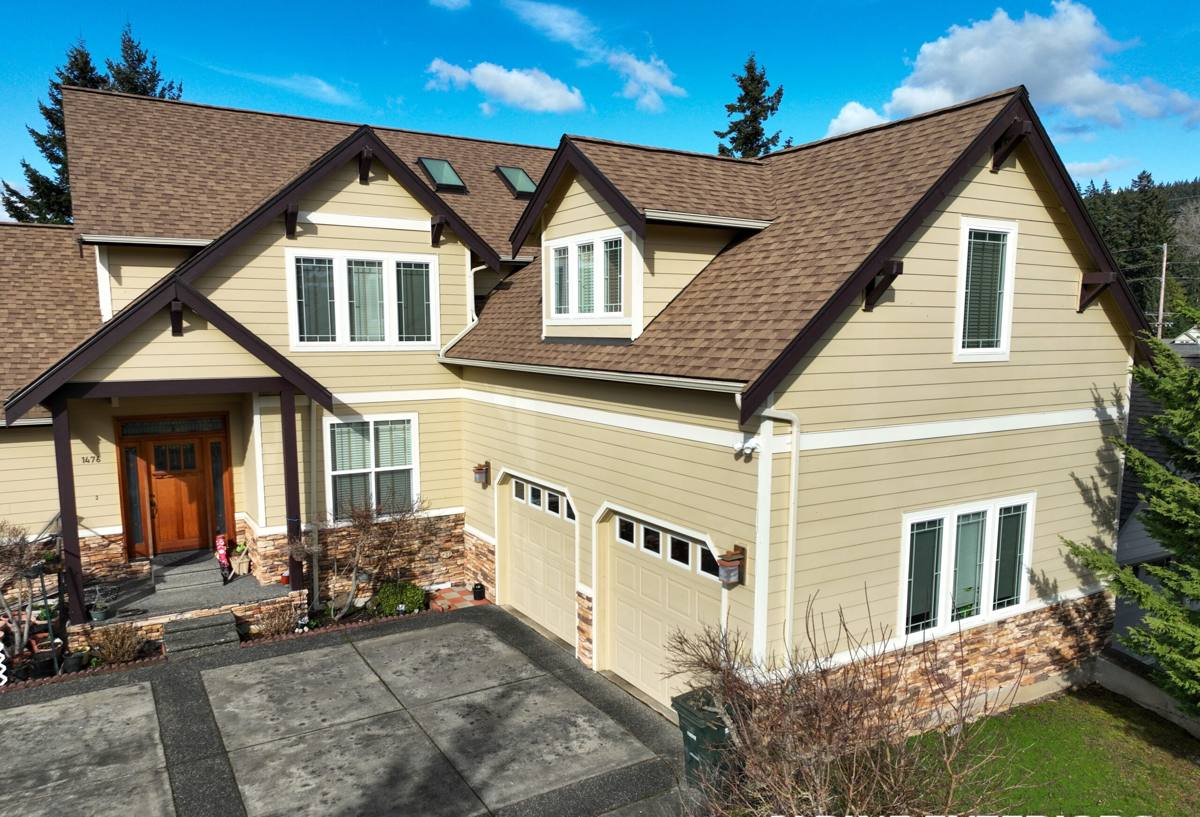
What St. Petersburg's Climate Actually Does to a Deck
Sun and heat
Pinellas County gets sun exposure that most decking products, especially lower-grade composites and untreated wood, aren't rated for over the long haul. UV breaks down wood fibers and degrades the surface chemistry of composite boards, leading to fading, graying, and in some cases surface chalking. Dark-colored boards also run hot enough underfoot to matter for bare feet near a pool.
Wind-driven rain and humidity
Rain here rarely falls straight down. Wind pushes it sideways and up under railings, fascia, and board edges — exactly the joints and end cuts that are most vulnerable if they weren't sealed or capped correctly during construction. Combine that with Florida's humidity and a deck that doesn't drain and ventilate underneath will trap moisture against joists and beams, which is where rot and hidden hardware corrosion start.
Salt air
Even inland from the immediate coastline, St. Petersburg air carries enough salt to accelerate corrosion on standard fasteners, brackets, and hardware. This is one of the most overlooked failure points on decks built by crews that don't normally work near the coast — the boards can look fine while the screws and joist hangers holding everything together are quietly deteriorating.
Wind load
Pinellas County is in a wind-borne debris region with hurricane exposure. Railings, stair stringers, and the ledger board connection to the house all need to be engineered and fastened for uplift and lateral load, not just built to "feel solid." A deck that isn't properly anchored is a liability in a storm, both for the structure and for anyone standing on it.
What a Correctly Built Deck Involves
Foundation and framing
Everything starts below the decking boards. Footings need to be sized and set to local frost-free/soil-bearing standards (frost isn't the issue here — soil drainage and footing depth for wind uplift resistance is). Posts, beams, and joists should be pressure-treated lumber rated for ground contact where applicable, spaced to the manufacturer's spec for whatever decking material goes on top — composite and PVC boards often require tighter joist spacing than wood.
The ledger connection
Where the deck attaches to the house is the single most safety-critical connection on the structure. It needs proper flashing to keep water from getting behind the siding or into the band joist, and it needs to be through-bolted or lag-screwed per code, not just nailed. A poorly flashed ledger is one of the most common sources of hidden rot damage to the house itself, not just the deck.
Fasteners and hardware
In a coastal-influenced climate, this is not the place to save money. Hot-dip galvanized or stainless-steel joist hangers, structural screws, and post bases resist salt-air corrosion far longer than standard coated fasteners. We fasten decking boards with corrosion-resistant, color-matched screws or a hidden fastener system rated for exterior/coastal use.
Ventilation and drainage underneath
Low-to-ground decks and enclosed skirting need airflow underneath to keep the substructure dry after wind-driven rain events. Grading the ground below the deck away from the house and leaving proper ventilation gaps prevents the trapped-moisture conditions that rot joists from underneath, out of sight.
Railings and stairs
Railings need to meet Florida Building Code height and baluster-spacing requirements and be anchored to withstand lateral load, not just decorative post caps screwed to the rim joist. Stair stringers should be sized for the run and treated or capped the same as the rest of the structure.
Decking Material Comparison for This Climate
| Material | UV/Sun Performance | Moisture & Salt Air | Maintenance | Typical Lifespan Here |
|---|---|---|---|---|
| Pressure-treated wood | Fades and grays without regular sealing | Vulnerable to rot at fastener holes and end grain if not sealed | Annual/biannual sealing recommended | 10–15 years with upkeep |
| Composite decking (capped) | Good — capped stock resists fading better than wood | Handles moisture well; check fastener/hardware corrosion resistance | Periodic washing, no sealing | 20–25+ years |
| PVC/cellular decking | Very good UV stability | Excellent — doesn't absorb moisture | Low; occasional washing | 25+ years |
| Tropical hardwoods (e.g., ipe) | Naturally UV/rot resistant, will silver over time | Naturally dense and moisture resistant | Periodic oiling to maintain color | 25+ years structurally |
There's no universally "best" board — it's a trade-off between upfront cost, maintenance tolerance, and how the homeowner wants the deck to look and feel in 10 years. We'll walk through the honest trade-offs for your specific project rather than pushing whatever has the best margin.
Cost Factors for a St. Petersburg Deck
- Size and footprint — square footage is the biggest driver of material and labor cost.
- Height off grade — elevated decks need more substructure, railings, and often stairs, which adds cost.
- Decking material — pressure-treated wood is the lowest upfront cost; PVC and premium composites cost more but reduce long-term maintenance.
- Hardware grade — coastal-rated fasteners and connectors cost more than standard hardware but are not something to cut in this climate.
- Ledger and flashing work — proper flashing at the house connection adds labor but protects against much larger repair costs later.
- Permitting and engineering — Pinellas County permitting for decks, especially elevated ones, may require engineered plans for footings and railings.
- Site access and prep — grading, existing structure removal, and equipment access all factor into labor time.
Our Deck Building Process
1. On-site assessment and design
We look at the grade, the house's ledger wall, drainage patterns, and how the deck will actually be used — cooking, seating, pool access — before recommending a layout or material.
2. Material and hardware selection
We go through the decking, railing, and hardware options with the honest trade-offs for St. Petersburg's sun, humidity, and salt air, matched to your budget and maintenance preference.
3. Permitting
We handle the permit application and any engineering documentation Pinellas County requires for the footing design, ledger attachment, and railings.
4. Construction
Footings, framing, ledger flashing, decking, railings, and stairs are built in sequence with inspections at the required stages, using corrosion-resistant fasteners and hardware throughout.
5. Final walkthrough
We check board spacing, fastener finish, railing rigidity, and drainage under the deck before calling the job done, and go over any maintenance the material you chose actually needs.
Pre-Build Checklist for Homeowners
- Confirm whether your lot's grading will let water drain away from the house and from under the deck
- Decide how much annual maintenance you're willing to do (sealing/oiling vs. low-maintenance composite or PVC)
- Ask any contractor what fastener and hardware grade they use — coastal-rated hardware should be standard, not an upsell
- Confirm ledger flashing details in writing before construction starts
- Check whether your project needs engineered footing/railing plans for Pinellas County permitting
- Ask how the deck's height and railings will be engineered for wind load, not just code minimums on paper
Why Local Experience Matters for This Job
A deck built to a generic national spec sheet can still fail here in ways it wouldn't inland — because the spec sheet doesn't account for wind-driven rain finding its way under a railing base, or standard screws corroding faster in salt air than the boards they're holding down. A crew that regularly works St. Petersburg and greater Pinellas County knows which fastener grades actually hold up, how to flash a ledger against sideways rain, and what Pinellas County's permitting and engineering requirements actually call for on footings and railings — because we've pulled those permits and passed those inspections before, not because we're reading them for the first time on your job.
If you're planning a new deck or replacing one that didn't hold up to this climate, we're happy to walk the site with you and lay out honest options. Reach out below for a free, no-pressure estimate.