 Seminole Siding
 Roofing on a Barrier Island Is Its Own Job
Indian Rocks Beach sits right on the Gulf, which means every roof here deals with conditions that inland Pinellas County homes simply don't face at the same intensity. Salt-laden air corrodes exposed metal faster. Onshore winds push rain sideways under loose flashing and lifted shingle edges. Direct sun off the water bakes the roof deck for most of the year. A shingle roof that would hold up fine a few miles inland can fail early here if it wasn't installed with the coastal exposure in mind from the start.
That doesn't mean asphalt shingles are the wrong choice for Indian Rocks Beach — they're still one of the most practical, cost-effective roofing systems available, and a huge share of homes on the island use them successfully. It means the installation details matter more here than almost anywhere else in the region. This page covers what a correct asphalt shingle job looks like for an Indian Rocks Beach home and why the details we insist on aren't optional upgrades — they're what keeps the roof doing its job through the next storm season.
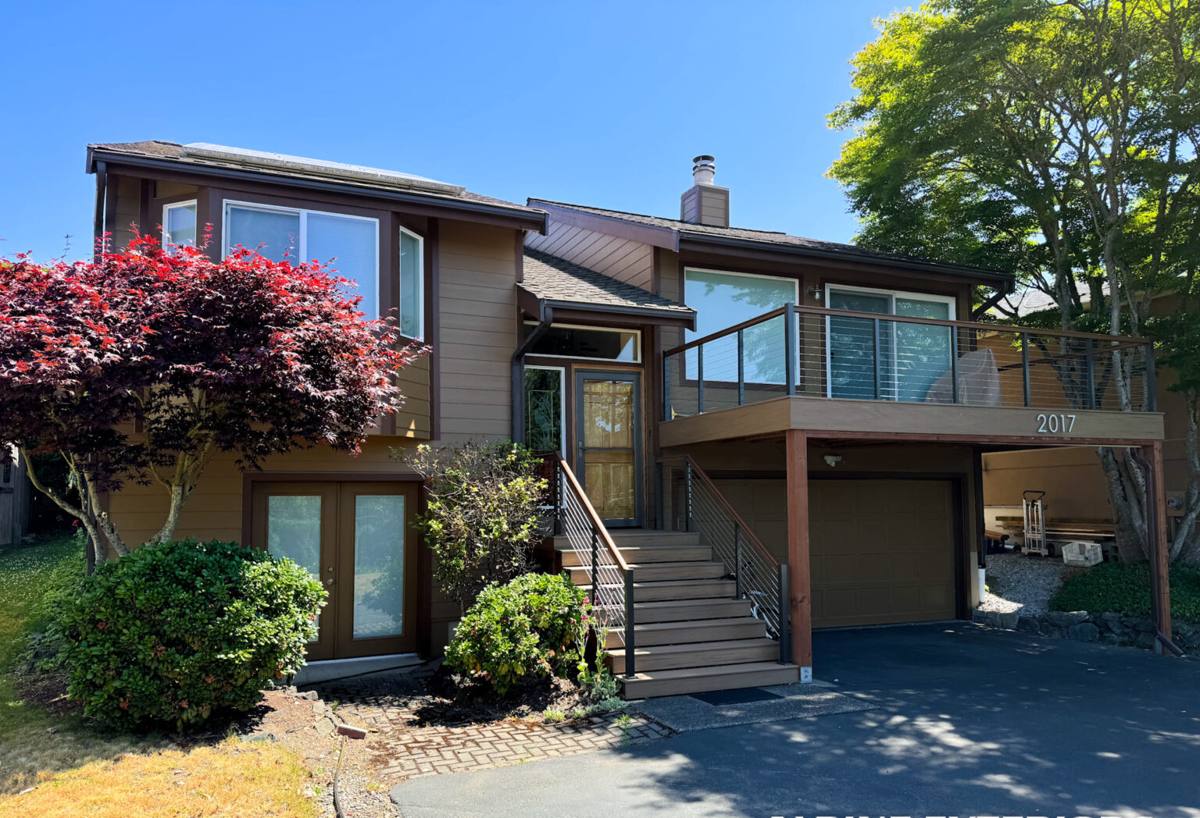
What Hurricane-Force Wind and Salt Air Actually Do to a Shingle Roof
Wind
Shingles fail in wind starting at the edges — the rakes, eaves, and ridge — because that's where uplift pressure concentrates. A roof that looks fine from the street can have marginal nailing or under-spec starter strips at those edges, and the first tropical-storm-force gust finds it. Once wind gets under one tab, it peels backward down the row.
Wind-Driven Rain
Rain that comes in sideways doesn't behave like rain falling straight down. It can work its way under shingle tabs, around vent boots, and through nail penetrations that a standard installation might consider "good enough." This is why underlayment choice and flashing detail work matter more on the coast than the shingle brand itself.
UV and Heat
Year-round Florida sun accelerates the drying and cracking of asphalt shingles, especially on south- and west-facing slopes that catch reflected glare off the water. Lower-grade shingles lose granules and flexibility faster under that kind of constant exposure.
Salt Air
Salt corrodes exposed fasteners, drip edge, and flashing over time. It's a slower process than wind or rain damage, but it's constant, and it's why we pay attention to the metal components of a roof system, not just the shingles themselves.
What a Correct Installation Includes
A shingle roof isn't one product — it's a system, and every layer has to be right for the others to work. For an Indian Rocks Beach home, that system typically includes:
- A sound, dry deck — any soft or water-stained plywood gets replaced before anything else goes down, because a shingle roof is only as good as what's underneath it
- Sealed roof deck or high-quality synthetic underlayment — this is the actual waterproofing layer; the shingles are the wear layer on top of it
- Ice-and-water shield equivalent membrane at eaves and valleys — not because of ice here, but because these are the spots most exposed to wind-driven rain intrusion
- Corrosion-resistant drip edge and flashing — standard galvanized components pit and corrode faster this close to the Gulf; we use materials rated for coastal exposure
- Enhanced nailing patterns — six nails per shingle instead of four in high-wind applications, placed exactly where the manufacturer specifies, not just "close enough"
- Properly sealed starter strips and hip/ridge caps — these are the first parts of the roof that wind gets a grip on, and the most common place we find shortcuts on other roofs we inspect
Choosing a Shingle for Coastal Exposure
Not every asphalt shingle product is built for the same conditions. For a barrier island home, wind rating and impact resistance matter more than they would on an inland roof.
| Shingle Type | Typical Wind Rating | Best Fit For |
|---|---|---|
| Standard 3-tab | Lower wind rating, lighter weight | Budget projects; generally not our recommendation for direct coastal exposure |
| Architectural (laminate) | Higher wind rating, heavier construction | Most Indian Rocks Beach homes — better wind and impact performance, longer service life |
| Impact-resistant architectural | Highest wind rating; Class 4 impact rated | Homes wanting the strongest hail/debris protection and, in some cases, insurance premium credits |
We install architectural shingles as our standard recommendation for this area — the added material cost is modest compared to the difference in wind performance and longevity. We're happy to walk through impact-resistant options too, since some insurance carriers offer premium discounts for Class 4 rated roofs, which can offset part of the upgrade cost over time.
Signs Your Indian Rocks Beach Roof Needs Attention
Coastal wear often shows up gradually before it becomes a leak. Worth checking for:
- Granules collecting in gutters or at the base of downspouts
- Shingle tabs that look curled, cupped, or lifted at the edges
- Rusty streaking near flashing, vent boots, or valleys
- Soft spots or sagging when walking the roof (or visible sag from the ground)
- Missing or cracked shingles after any named storm or strong wind event
- Ceiling stains, especially near exterior walls or around chimneys and skylights
- A roof approaching 15-20 years old that hasn't had a professional inspection recently
Our Process
- On-site inspection — we walk the roof (or use a drone where access is limited) and check the deck, flashing, ventilation, and current shingle condition, not just what's visible from the ground
- Honest assessment — repair vs. replacement, with the reasoning explained, not just a recommendation to sell a bigger job
- Written estimate — materials, wind-rated system details, and timeline spelled out before any work starts
- Permitting — pulled through Pinellas County/local jurisdiction as required, so the work is inspected and documented
- Deck prep and tear-off — old material removed, deck inspected board by board, any compromised plywood replaced
- Underlayment and flashing — the waterproofing layer goes down correctly before a single shingle is installed
- Shingle installation — manufacturer-specified nailing pattern for the wind zone, proper starter and ridge detail
- Final walkthrough — we review the completed roof with you and go over warranty paperwork
Cost Factors for Indian Rocks Beach Roofs
| Factor | Why It Affects Price |
|---|---|
| Roof size and pitch | More surface area and steeper pitches mean more labor and material |
| Deck condition | Water-damaged plywood found during tear-off requires replacement, which isn't always visible beforehand |
| Shingle grade | Standard vs. architectural vs. impact-resistant carries a real material cost difference |
| Number of layers to remove | Roofs with an existing layer over the deck take longer to strip |
| Flashing and penetrations | Chimneys, skylights, and multiple vent stacks add detail work |
| Permitting and code requirements | Local permitting fees and any code-required upgrades factor into the total |
We won't quote a number without seeing the roof — anyone who does is guessing. What we can promise is a written estimate that breaks down what you're actually paying for, and no pressure to decide on the spot.
Permits and Local Code
Roofing work in Indian Rocks Beach requires a permit, pulled and inspected through the appropriate local building authority in Pinellas County. Florida's building code sets minimum wind-resistance standards for roofing systems based on location, and coastal properties like this one generally fall under stricter wind-speed design requirements than homes further inland. A licensed roofing contractor handles this as a normal part of the job — it's not an upcharge, it's what makes sure the finished roof is actually built to hold up here and that the work is documented if you ever need it for insurance or resale purposes.
Why Local Experience Matters
A roofing crew that's worked barrier island properties knows things a purely inland contractor might not think to check: how salt exposure changes which fastener and flashing materials make sense, how to sequence a tear-off around Gulf weather patterns, and which detail work actually matters when the next tropical system rolls through. It also means we're a known, reachable contractor in the area if you ever need a warranty question answered or a post-storm inspection — not a crew that did one job here and moved on.
After Installation: Keeping a Coastal Roof Healthy
A correctly installed shingle roof still benefits from basic upkeep in a salt-air environment:
- Rinse accumulated salt residue off the roof surface periodically, especially after long dry stretches
- Keep gutters clear so water isn't sitting against the fascia and roof edge
- Trim back overhanging branches that scrape shingles or hold moisture against the roof
- Schedule a quick inspection after any major storm, even if you don't see obvious damage from the ground
- Address small issues — a lifted shingle, a small flashing gap — before the next big wind event finds them
If you're planning a new roof, a repair, or just want a straight answer about the condition of your current one, we're glad to take a look. The form below gets you a free, no-pressure estimate from a crew that already knows what an Indian Rocks Beach roof is up against.