 Seminole Siding
 New-Construction Windows for Indian Rocks Beach Homes
Indian Rocks Beach sits on a narrow barrier island just off Seminole, in a stretch of Pinellas County that gets hit harder by the elements than almost anywhere else in the region. If you're building new, adding a room, or doing a full gut-to-the-studs remodel here, the windows you choose and how they're installed matter more than they would a few miles inland. New-construction windows aren't just "replacement windows without the extra step" — they're a different product with a different installation method, built around a nailing fin that gets integrated directly into the wall's structural framing and water management system before siding or stucco ever goes on.
That distinction is the whole point of this page. We're not talking about popping a new sash into an old frame. We're talking about building the window into the house correctly from the wall sheathing outward, in a location where hurricane-force wind, wind-driven rain, constant UV, and salt-laden air are simply part of the design load, not a rare event.
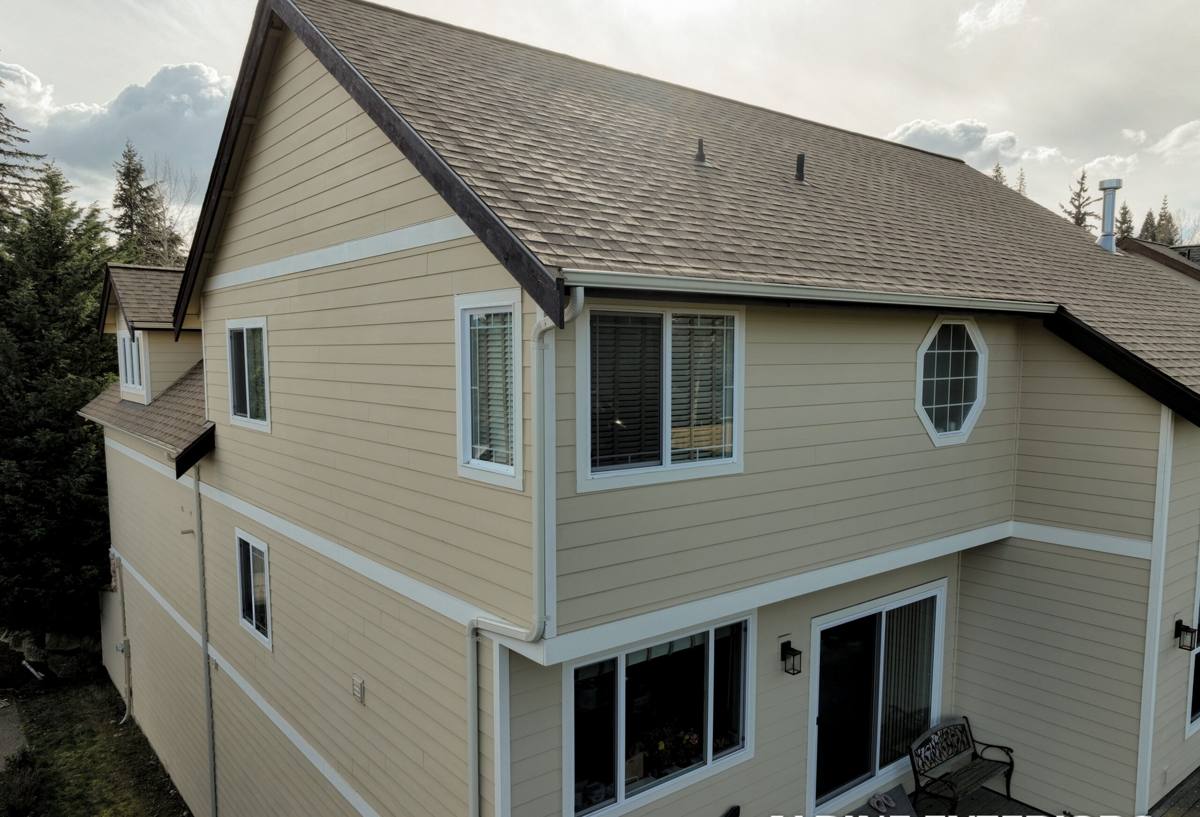
Why Indian Rocks Beach Construction Is Different
Wind and Wind-Borne Debris
Coastal Pinellas County falls within Florida's wind-borne debris region, which means new construction and qualifying renovations along Indian Rocks Beach typically need windows that are either impact-rated (laminated glass that stays intact when struck) or paired with code-compliant shutters or panels. This isn't a preference — it's enforced through the permitting and inspection process, and it affects which window products are even eligible for use on your project.
Salt Air and Corrosion
Being this close to the Gulf means airborne salt settles on everything — fasteners, hardware, weep systems, even the finish on aluminum and vinyl frames. Standard hardware that would be fine ten or fifteen miles inland can corrode and bind up within a few years on the barrier island. Frame material, fastener coating, and hardware grade all need to be chosen with that environment in mind, not a generic spec sheet.
Wind-Driven Rain
Florida storms rarely deliver rain straight down. Along the coast it comes sideways, under eaves, and directly at wall penetrations under real pressure. A window opening that isn't flashed and sealed correctly — sill pan, house wrap integration, proper lap sequencing — will eventually leak, and in a new-construction wall assembly that leak can sit hidden behind drywall and insulation for a long time before it shows up as a stain or a soft spot.
UV Exposure
Year-round Florida sun breaks down cheap vinyl, dries out inferior sealants, and fades interior finishes faster than in most of the country. Glass packages and frame materials that aren't rated for sustained UV exposure show it within a few seasons — chalking, yellowing, and seal failure in the insulated glass unit.
What "Correct" Looks Like on a New-Construction Install
New-construction windows use a nailing fin (also called a flange) around the perimeter of the frame that fastens directly to the wall sheathing. Everything about doing this well happens in a specific order, and skipping or rushing a step is where problems start:
- Rough opening is checked for square, level, and correct size before the window ever arrives on site
- A sloped sill pan is installed at the bottom of the opening so any water that gets past the window drains back out, not into the wall
- Flashing tape is applied in the correct shingle-lap sequence — sides first, then head — so water sheds down and out, never into a seam
- The window is set, shimmed for level and plumb, and fastened through the fin per the manufacturer's schedule
- House wrap or building paper is integrated over the fin and taped, tying the window into the rest of the wall's water management plane
- Interior and exterior sealant is applied at the correct joints — not everywhere, since over-sealing can trap moisture instead of releasing it
- Hardware, locks, and weep paths are tested before final trim and siding close everything in
On a barrier island, we also pay close attention to fastener selection (corrosion-resistant, rated for coastal exposure) and to glass and frame specs that meet the wind-borne debris requirements for the address — because what's required can vary by exact location and structure type.
Choosing the Right Window for This Location
Impact-Rated vs. Standard Glass with Shutters
Homeowners building or renovating near Indian Rocks Beach generally choose between laminated impact-rated glass or standard glass paired with code-approved shutters or panels. Impact glass costs more upfront but requires no separate storm-prep step and provides a meaningful layer of forced-entry resistance and UV/noise reduction as a side benefit. Shutter systems cost less on the window itself but require you to actually deploy them before a storm, every time.
Frame Material
Vinyl, fiberglass, and aluminum are all used in new construction here, and each has trade-offs in a salt-air, high-UV environment — vinyl needs to be a formulation rated for coastal sun exposure, aluminum needs a marine-grade finish to resist pitting, and fiberglass tends to hold up well but comes at a higher price point. We'll walk through what fits your project's budget and the specific exposure of your lot rather than defaulting to one material for every job.
Egress and Energy Code
Bedroom windows in new construction have to meet egress size and opening requirements, and all new windows need to meet Florida's energy code for this climate zone — typically addressed through low-E coatings and the right U-factor and solar heat gain rating for a hot, humid climate. These aren't optional add-ons; they're baked into what gets approved at inspection.
Cost Factors to Understand Before You Budget
| Factor | What It Affects |
|---|---|
| Impact-rated vs. standard + shutters | Upfront window cost vs. ongoing storm-prep labor and shutter maintenance |
| Frame material | Long-term durability in salt air, upfront price, appearance options |
| Window size and quantity | Overall material cost and labor time, especially on larger openings |
| Flashing and sill pan detailing | Water intrusion risk over the life of the home — a low-cost step to skip that gets expensive to fix later |
| Coordination with GC schedule | Delays and rework if window rough openings and delivery timing aren't aligned with framing |
| Hardware and fastener grade | How soon hardware corrodes or binds in a barrier-island environment |
Broadly, new-construction window packages for a project this size can range from a modest per-opening cost for basic non-impact units to a considerably higher figure for full impact-rated glass across a home — the honest answer is that it depends heavily on how many openings, what sizes, and which glass and frame spec you choose. We'll give you real numbers once we know your plans.
How Our Process Works
1. Site Visit and Plan Review
We look at your plans or existing framing, confirm rough opening sizes, and talk through which window specs make sense for the specific exposure of your Indian Rocks Beach lot — corner lot, direct Gulf-facing wall, and sheltered inland side of the island can all call for different decisions.
2. Product Selection
We walk through frame material, glass package, and impact vs. shutter approach in plain terms — what each choice costs now, what it costs to maintain, and how it holds up in this climate over time.
3. Scheduling Around Your Build
New-construction window installs have to land at the right point in the framing sequence — after rough openings are set, before house wrap and siding close in the wall. We coordinate directly with your general contractor or builder so the timing works and nobody's waiting on anybody.
4. Installation
Sill pans, flashing, fastening, and sealant get done in the order and detail described above, on every opening, not just the ones facing the water.
5. Final Check
Before we consider the job done, we test operation, check weep paths, and confirm everything is ready to pass inspection and stand up to the first real storm that comes through.
Why a Crew That Already Works This Area Matters
Indian Rocks Beach and the surrounding Seminole area have their own permitting quirks, their own inspectors, and building conditions that are genuinely different from installing the same window five miles inland. A crew that regularly works this stretch of Pinellas County already knows what local inspectors look for, what wind-borne debris compliance actually requires for a given structure, and how salt air changes which products are worth specifying versus which ones will need attention again in a few years. That local familiarity translates into fewer surprises during inspection and a window install that's built for the environment it's actually going into, not a generic one.
Signs Your Project Needs This Level of Detail
If any of the following apply, the extra care around flashing, glass rating, and hardware selection isn't optional — it's the difference between a window system that lasts and one that becomes a recurring repair:
- Your home or addition is within the wind-borne debris region along the coast
- The structure faces open water or gets direct salt spray in storm conditions
- You're building new or doing a full gut renovation down to the studs
- You want to minimize storm-prep labor by going with impact glass instead of shutters
- You're coordinating window install timing with a general contractor's framing schedule
If you're planning new construction, an addition, or a full-frame renovation in Indian Rocks Beach or elsewhere around Seminole, we're happy to walk the site, review your plans, and put together a straightforward, no-pressure estimate for the windows your project actually needs. Use the form below to get started.