 Seminole Siding
 Deck Repair Built for Indian Shores' Coastal Conditions
Indian Shores sits on the barrier island chain just off Seminole, with the Gulf on one side and the Intracoastal Waterway on the other. That location is part of what makes it such a desirable place to live — and it's also exactly why decks here wear out faster than decks built ten or twenty miles inland. Salt-laden air, near-constant sun exposure, wind-driven rain, and the occasional direct hit from tropical weather all work on wood, fasteners, and framing every single day, not just during a named storm.
We repair decks throughout the Seminole and Pinellas County area, and Indian Shores properties get a specific kind of attention because the failure patterns are different from what we see further inland. This page walks through what actually goes wrong with decks out here, what a correct repair looks like, and how we approach the job so it holds up rather than becoming a recurring expense.
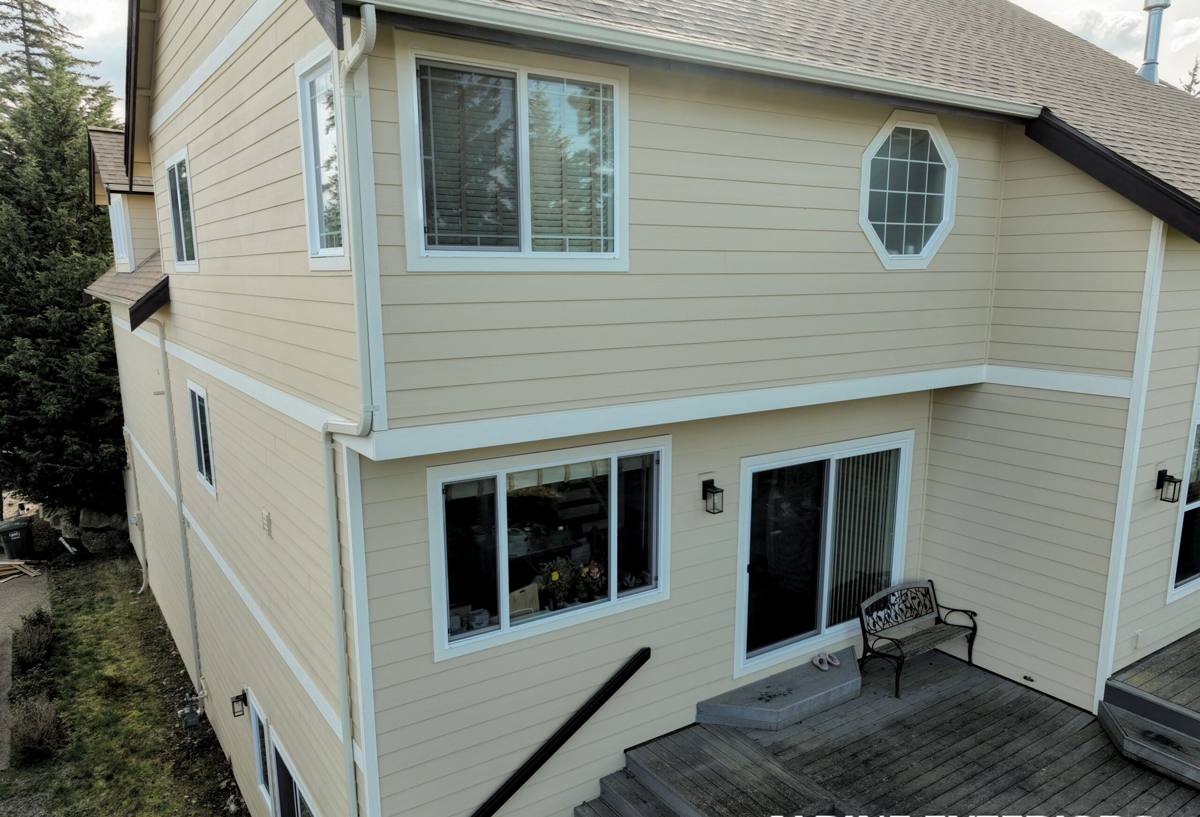
Why Coastal Exposure Wears Decks Down Faster
A deck in Indian Shores is dealing with several stresses layered on top of each other, and it's the combination — not any single factor — that shortens a deck's usable life if it isn't maintained or repaired correctly.
Salt Air and Corrosion
Airborne salt from the Gulf settles on every exposed surface, including fasteners, connectors, and any metal hardware holding your deck together. Ordinary galvanized nails and screws can corrode well before the wood around them shows visible damage. Once a fastener weakens, the board or framing member it's holding can shift, squeak, or come loose entirely — often before a homeowner notices anything is wrong.
Year-Round UV Exposure
Pinellas County gets strong, direct sun for most of the year. UV breaks down the lignin in wood fibers and degrades the resins in sealants and finishes, which is why deck boards that looked fine a couple of years ago can turn gray, splinter, or start cupping. UV damage is cumulative — it doesn't take a single bad season to cause it, it takes ongoing exposure without adequate protection.
Wind-Driven Rain and Moisture Cycling
Florida rain doesn't fall straight down as often as people assume — wind pushes it sideways and up under boards, into ledger connections, and into end grain that isn't sealed. Wood on a deck goes through repeated wet-dry cycles, and that cycling is what drives rot, especially in framing members that don't get enough airflow underneath to dry out between rain events.
Hurricane-Force Wind Loads
Even when a deck survives a storm without visible damage, high wind loads can rack the structure, loosen ledger bolts, or stress connections in ways that aren't obvious from the surface. A deck that's already weakened by corrosion or rot is far more vulnerable to this kind of stress than one that's been properly maintained.
Common Deck Problems We Find in Indian Shores Homes
Some issues show up more often here than in other parts of Seminole simply because of the island's direct Gulf exposure. The most frequent ones we're called out for include:
- Corroded or failing fasteners and joist hangers, especially on decks more than 8-10 years old
- Soft or spongy decking boards, usually near the perimeter or around planters and grills
- Cupped, split, or splintering boards from sun and moisture cycling
- Loose or wobbly railings, often from post connections that have loosened over time
- Ledger board separation or moisture intrusion where the deck attaches to the house
- Rot in support posts near ground contact or in areas with poor drainage
- Rust staining on boards or concrete from failing hardware
Not every one of these is a full-replacement job. In many cases, targeted repair — replacing specific boards, swapping out corroded hardware, or rebuilding a section of framing — solves the problem without tearing out a structurally sound deck.
Repair or Replace? How We Make That Call
Homeowners often ask whether it's worth repairing an older deck or better to start over. The honest answer depends on how much of the structure is still sound. We look at the framing, ledger connection, and posts first, since those are the parts that are expensive and disruptive to replace — if those are solid, repair usually makes sense.
| Factor | Favors Repair | Favors Replacement |
|---|---|---|
| Framing & joists | Solid, no soft spots when probed | Widespread soft or spongy wood |
| Ledger connection | Tight, dry, properly flashed | Moisture intrusion at the house wall |
| Support posts | Sound at and below grade | Rot at ground contact or footings |
| Decking boards | Isolated cupping, splitting, or staining | Damage across most of the deck surface |
| Hardware & fasteners | Minor surface corrosion | Widespread rust, loose or failed connectors |
| Age of structure | Under roughly 10-12 years with good maintenance history | Older structure with no known maintenance record |
When we're not sure just by looking, we probe suspect wood with a screwdriver or awl. Sound wood resists; rotten wood gives way with little pressure. That test, done in several spots, tells us far more than a visual inspection alone.
Our Deck Repair Process
1. On-Site Inspection
We walk the entire deck, check the ledger connection, probe the framing and posts, and inspect fasteners and railings. We also look at drainage underneath the deck, since standing water or poor airflow is a common cause of hidden rot.
2. Honest Assessment
You get a clear rundown of what's failing, what's still sound, and what your realistic options are — repair now, plan a phased repair, or consider replacement if the structure has failed in multiple places. We don't pad the scope of work or recommend replacing sound material.
3. Material Sourcing
For structural repairs we match or upgrade lumber grade and use fasteners rated for coastal, high-corrosion environments. For decking board replacement, we'll talk through wood versus composite options based on your budget, the look you want, and how much maintenance you're willing to do going forward.
4. The Repair Itself
This might mean sistering a damaged joist, replacing a section of ledger board and re-flashing the connection, swapping out corroded hangers and screws, or removing and replacing individual decking boards. We fix the cause of the problem, not just the symptom — for example, replacing a rotted board without addressing a drainage issue underneath just buys you a few years before the same spot fails again.
5. Sealing and Finish Work
Any exposed wood, especially cut ends and fastener holes, gets properly sealed before finishing. On a coastal deck, this step matters more than it does inland — unsealed end grain is one of the fastest ways moisture gets into wood that otherwise looks protected.
Material Choices That Actually Hold Up Here
What works well on a deck in a low-humidity, low-salt environment doesn't always perform the same way on Indian Shores. A few practical notes:
Fasteners and Hardware
Standard galvanized fasteners corrode faster in salt air than most homeowners expect. Stainless steel or hot-dip galvanized hardware rated for coastal or marine use costs more up front but avoids the early hardware failures that cause loose boards and squeaks within just a few years.
Wood Versus Composite Decking
Pressure-treated wood is affordable and repairable board by board, which is an advantage when only isolated sections fail — you're not replacing an entire deck surface for one bad spot. Composite decking resists UV fading and moisture damage better over time and needs less routine maintenance, but it comes at a higher material cost and, if damaged, isn't always as simple to patch invisibly. Neither material is wrong for Indian Shores; the right choice depends on your budget, how the deck is used, and how much upkeep you want to do.
Sealants and Finishes
Whatever decking material you choose, film-forming finishes and sealants have a shorter usable life here than they do inland because of the UV and salt exposure. We're upfront that a stain or sealant applied today will need reapplication sooner in Indian Shores than it would in a shaded, inland yard — that's a maintenance cost worth planning for, not a reason to skip sealing altogether.
Permits and Local Considerations
Deck work in Seminole and unincorporated Pinellas County is generally subject to permitting requirements, particularly for structural repairs involving framing, footings, or the ledger connection to your home. Requirements can vary depending on the scope of work and your specific property, so we handle that conversation as part of the estimate rather than leaving you to sort it out. Barrier island properties can also have additional considerations around elevation and flood zone rules that inland Seminole properties don't face, which is another reason it helps to work with a crew that's dealt with Indian Shores permitting before.
Maintenance Checklist Between Repairs
A little regular attention goes a long way toward stretching the years between major repairs on a coastal deck. We recommend homeowners do the following on a rough seasonal basis:
- Sweep debris and standing water off the deck surface regularly, especially after storms
- Rinse salt residue off boards and railings periodically with fresh water
- Check railings and stair posts by hand for looseness a few times a year
- Look underneath the deck occasionally for standing water or poor drainage
- Inspect the ledger board area where the deck meets the house for staining or soft wood
- Reapply sealant or finish on the schedule recommended for your specific product
- Address small issues — a loose board, a rust spot, a hairline split — before they spread
None of this requires special tools or expertise, and catching a small problem early is almost always cheaper than the repair that results from ignoring it for a couple of seasons.
Why It Matters to Hire a Crew That Already Works Indian Shores
A contractor who mostly works inland can still frame a deck correctly, but they may not think about coastal-grade hardware by default, may not be familiar with the permitting quirks of barrier island properties, or may underestimate how much faster UV and salt exposure age materials out here. We work in Seminole and the surrounding Pinellas County coastal communities regularly, so the fastener grades, sealing steps, and material recommendations we bring to an Indian Shores deck reflect what we've actually seen hold up — and what hasn't — on homes with the same exposure yours has.
That local familiarity also means faster response when something needs attention after a storm, and an assessment that's grounded in what typically fails on decks in this specific environment rather than generic advice that doesn't account for where you live.
Get a Straightforward Assessment of Your Deck
If your deck has soft spots, loose railings, corroded hardware, or you just haven't had it looked at in a few years, we're happy to come take a look. We'll give you an honest read on what's going on and what it would take to fix it — no pressure, no inflated scope. Use the form below to request a free estimate.