 Seminole Siding
 Siding Built for Bardmoor's Climate, Not Just Its Curb Appeal
Bardmoor is one of the more established residential pockets in the Seminole area, with mature trees, mixed home ages, and the kind of long-settled streets where a house's exterior has usually been through several Florida summers and at least a few named storms. That history matters when you're picking siding. A product that looks fine in a showroom can fail quickly once it's dealing with real Pinellas County weather year-round — and by the time you notice, the damage is often behind the surface, not on it.
We install James Hardie fiber cement siding exclusively. Not as one option among several, but because it's the only siding system we're willing to put our name behind in this climate. This page covers what Bardmoor homes specifically need from their siding, what a correct Hardie installation actually involves, and how our process works for homeowners in this neighborhood.
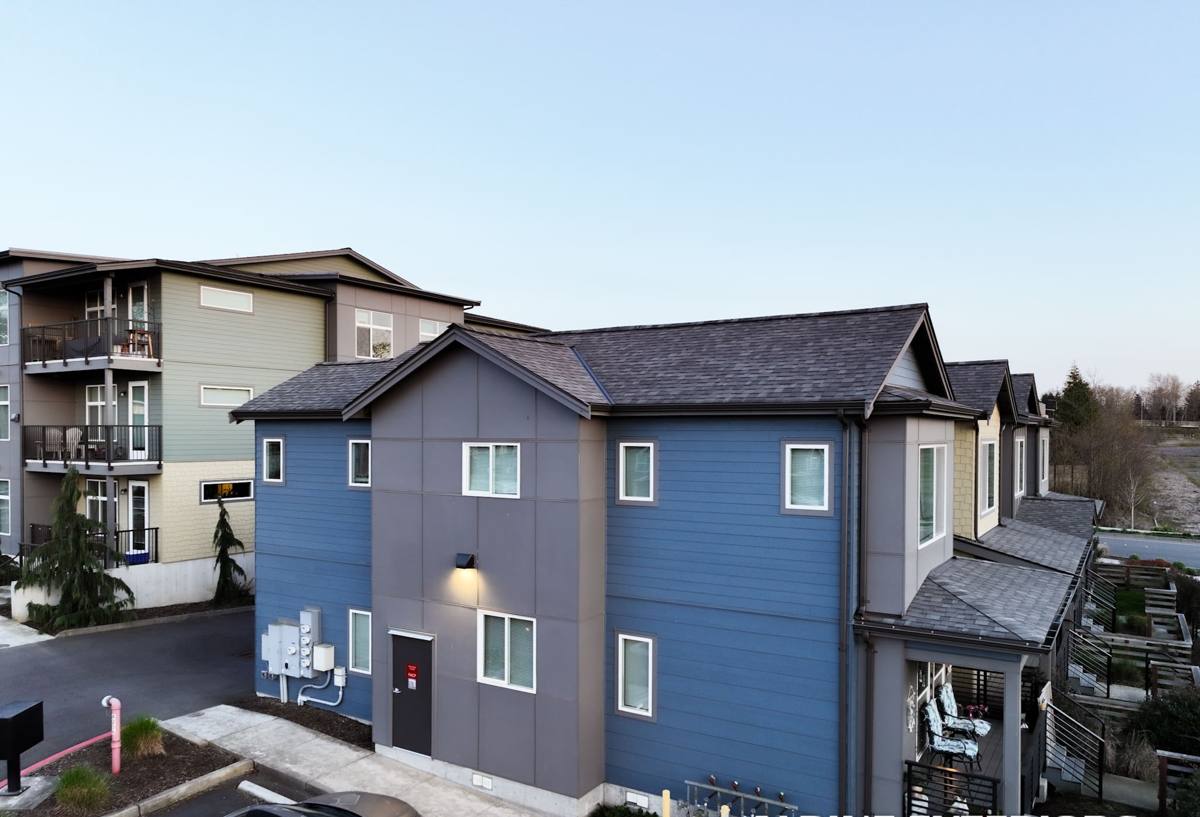
What Bardmoor's Climate Actually Does to Siding
Seminole sits close enough to the Gulf that salt-laden air is a constant, low-grade stressor on every exterior material in the area, siding included. Layer that on top of the rest of what a Florida exterior deals with, and you get a short but demanding list of things siding has to survive here — not once, but every year:
- Hurricane-force wind events that test not just the siding material but every fastener, seam, and piece of flashing behind it
- Intense, near-constant UV exposure that breaks down pigments, coatings, and some composite materials faster than homeowners expect
- Wind-driven rain that gets pushed sideways and upward into laps, joints, and penetrations that vertical rain would never reach
- Salt air that accelerates corrosion on fasteners and trim and can dull or discolor lower-grade finishes over time
Individually, most siding products can handle one or two of these. Very few are engineered to take all four at once, repeatedly, for decades. That's the gap James Hardie's HZ5 product line was built to close, and it's why we don't offer alternatives that weren't designed for this exact combination of stressors.
Why This Matters More in an Established Neighborhood Like Bardmoor
Homes in longer-established communities tend to have more mature landscaping, which is a mixed blessing for siding. Established tree canopy moderates direct sun exposure in places, but it also means more organic debris, more shade-and-moisture cycling on north-facing walls, and root systems that can shift drainage patterns around a foundation over the years. Siding that's sensitive to sustained moisture contact — anything wood-based or improperly sealed composite — tends to show problems first in exactly these conditions.
Why We Install Only James Hardie Here
James Hardie fiber cement is non-combustible, dimensionally stable, and doesn't absorb and swell with moisture the way wood-based products do. For a coastal Pinellas County home, that last point is the one that matters most day to day — siding that doesn't move with humidity holds paint lines, caulk joints, and fastener seals far longer than one that does.
The factory-applied ColorPlus finish is also a real advantage in this climate specifically. It's baked on under controlled conditions with UV-resistant resins, which holds up to Florida sun meaningfully better than field-applied paint. We're not going to claim it never needs attention — no exterior finish is maintenance-free here — but it buys homeowners years before repainting becomes a conversation, and the color-match touch-up product exists specifically because Hardie designed the system to be serviceable long-term, not disposable.
The HZ5 Engineering Difference
James Hardie makes region-specific formulations, and homes in our zone get the HZ5 product line, engineered for hot, humid, storm-exposed climates like ours. It's a different formulation than what gets shipped to drier, colder parts of the country. That regional engineering is part of why we trust the product for Bardmoor specifically — it wasn't designed as a one-size-fits-all siding, it was designed with Gulf Coast conditions as one of its target environments.
What a Correct Installation Actually Involves
James Hardie siding is only as good as the installation behind it. The material can be engineered perfectly and still fail early if the crew cuts corners on the details that don't show up in a drive-by look at the finished house. A correct install includes:
- Proper weather-resistive barrier installed and lapped correctly before any siding goes up
- Correct clearances — siding held off the roofline, deck surfaces, and grade per Hardie's published specifications, not tight to a surface where water can wick in
- Manufacturer-specified fastener type, spacing, and penetration depth — over- or under-driven nails are one of the most common causes of early siding problems
- Flashing at every window, door, and penetration, integrated with the water-resistive barrier so water sheds outward, not behind the siding
- Correctly caulked and sealed joints using products compatible with the ColorPlus finish
- Field-cut edges primed or sealed per manufacturer instructions to protect against moisture intrusion at cuts
Every one of those steps is inspectable, and every one of them is a place where a rushed or unfamiliar crew can create a problem that won't show up for a year or two — right around when it becomes the homeowner's problem instead of the installer's.
Our Process for Bardmoor Homes
1. On-Site Assessment
We walk the exterior with you, check the condition of the existing siding and substrate, note any moisture damage or rot that needs addressing before new siding goes up, and talk through which James Hardie product line and profile fits the home.
2. Tear-Off and Substrate Check
Old siding comes off and we inspect the sheathing underneath. This is the point where hidden moisture damage from years of wind-driven rain often shows up — it needs to be repaired before anything new goes on, not covered over.
3. Weather Barrier and Flashing
A new weather-resistive barrier goes on correctly lapped, with flashing detailed at every window, door, and penetration. This layer does more long-term work than the visible siding itself.
4. Hardie Installation to Manufacturer Spec
Siding is installed with correct clearances, fastener spacing, and joint treatment, following James Hardie's published installation guidelines — the same guidelines that keep the manufacturer's warranty intact.
5. Final Walkthrough
We walk the completed job with you, point out anything relevant to future maintenance, and address any punch-list items before we consider the job finished.
Product Lines and Where They Fit
| Product | Typical Use | Notes for This Area |
|---|---|---|
| HardiePlank lap siding | Most common full-home siding | Traditional look, widest ColorPlus color range |
| HardiePanel vertical siding | Accent walls, gables, modern facades | Clean lines, often paired with lap siding |
| HardieShingle siding | Accent areas, coastal/cottage styling | Textured look without wood's moisture issues |
| HardieTrim boards | Corners, window and door trim | Matches siding profile, resists rot at high-exposure edges |
Cost Factors Homeowners Should Understand
| Factor | Why It Affects Price |
|---|---|
| Home size and wall complexity | More corners, gables, and dormers mean more cutting, flashing, and labor time |
| Substrate condition | Rot or moisture damage found during tear-off requires repair before install |
| Product line and profile | Plank width, texture, and shingle vs. panel styles carry different material costs |
| ColorPlus color selection | Standard color palette is priced differently than premium or custom colors |
| Trim and accent scope | Full HardieTrim packages add cost but improve long-term durability at high-wear points |
We give a written, itemized estimate before any work starts — there's no honest way to price a siding job over the phone, since substrate condition and wall complexity vary too much house to house.
Why a Crew That Already Works in Bardmoor Matters
Local installation experience isn't a marketing line — it changes real decisions on the job. A crew that regularly works in Seminole and the surrounding Pinellas County communities already understands the wind-load requirements local permitting expects, knows how to sequence a job around this area's rain patterns, and has already seen how these specific conditions age siding on real houses nearby, not just in a manufacturer's brochure. That's the difference between a crew reading a spec sheet and a crew that has already installed to that spec sheet on a hundred homes exposed to the same salt air and the same storm track.
It also matters for accountability. A local, established crew is still reachable years later if a warranty question comes up — which matters more with an exterior product meant to last decades than with almost anything else you'll have done to your house.
Questions to Ask Any Siding Contractor Before You Hire
- Are you a certified James Hardie installer, and can you show manufacturer installation training?
- Will the weather-resistive barrier and flashing details be spelled out in the written estimate, not just "siding installed"?
- What happens if rot or moisture damage is found during tear-off — is that a change order or a surprise?
- Is the labor warranty separate from the manufacturer's material warranty, and how long is each?
- Do you carry current liability insurance and workers' comp, and can you provide proof?
- Have you pulled permits and worked with Pinellas County inspections before?
If you're weighing a siding replacement in Bardmoor, we're glad to come look at the house, answer questions honestly, and put together a free, no-pressure estimate — no obligation, just a straight assessment of what your home needs.