 Seminole Siding
 Kenneth City Decks Face a Different Kind of Wear
Kenneth City is a small, established community tucked inside Seminole and greater Pinellas County, and the decks here take on the same punishment every structure on this stretch of the Gulf Coast does. It's not one thing that wears a deck down — it's the combination. Intense, near-constant UV breaks down wood fibers and dries out sealants faster than most homeowners expect. Wind-driven rain finds its way into joints, ledger connections, and fastener holes that look fine from the top. Salt-laden air moving in off the coast accelerates corrosion on anything metal, even hardware rated for exterior use. And when a tropical system or a strong seasonal squall rolls through, every one of those weak points gets tested at once.
A deck built or repaired without that combination in mind will look fine for a season or two and then fail in ways that are expensive to fix — soft framing, corroded fasteners, a ledger board pulling away from the house. Repairing a deck correctly in Kenneth City means addressing the cause, not just replacing the board that finally gave out.
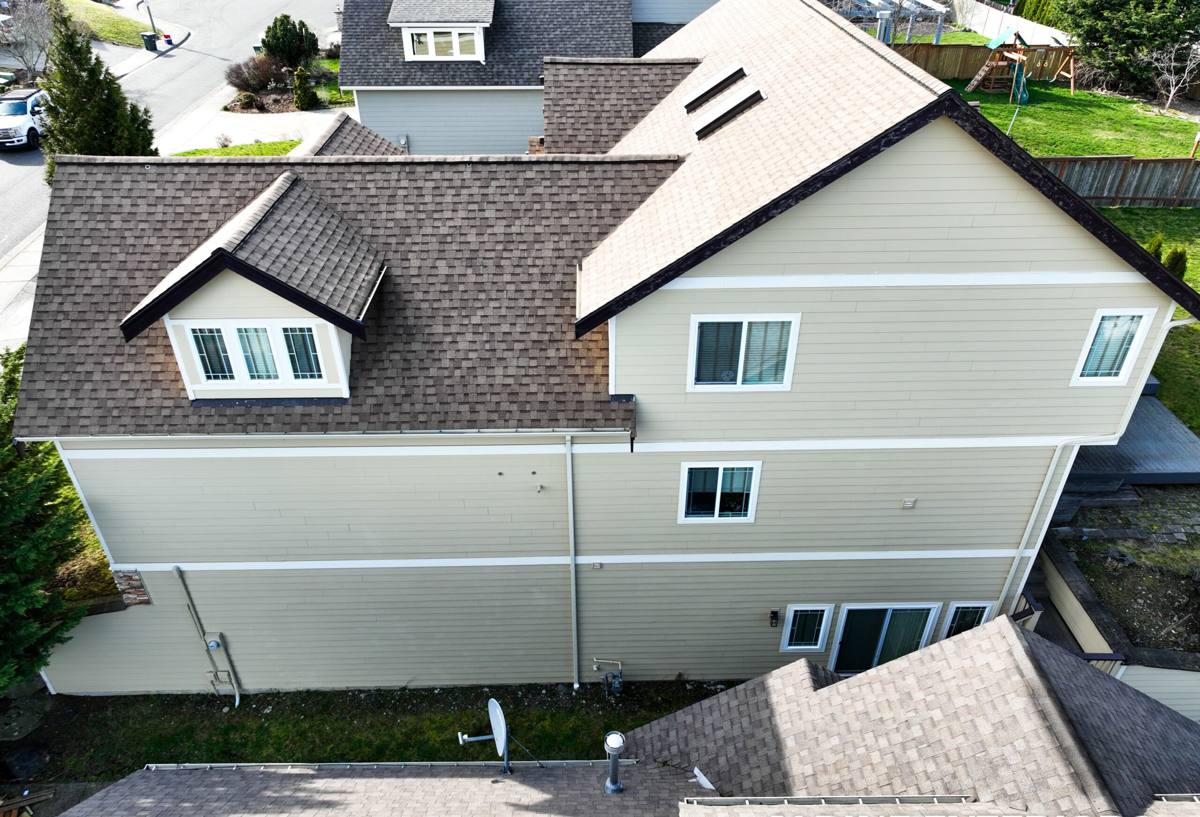
The Deck Problems We See Most Often Locally
Wood Rot and Soft Spots
Florida humidity keeps moisture in contact with wood longer than drier climates do, even when the wood itself is rated for ground contact or pressure treatment. Rot typically starts where two pieces of lumber meet and trap water — under decking boards, at joist hangers, and around post bases — long before it's visible from the surface.
Corroded or Failing Fasteners
Salt air is hard on metal. Nails, screws, and joist hangers that aren't rated for coastal exposure can corrode from the inside of the connection out, which means a deck can look structurally sound while the hardware holding it together is quietly failing.
Ledger Board Separation
The ledger board — the piece that attaches the deck to the house — is the single most important structural connection on most decks, and it's also the one most exposed to wind-driven rain intrusion behind flashing. When that connection loosens or the wood behind it softens, the whole deck's attachment to the house is compromised.
Railing and Post Movement
Loose or wobbly railings and posts are usually a symptom of a bigger issue underneath — a rotted post base, corroded bolts, or a footing that's shifted — rather than a standalone problem you can fix by just tightening a bolt.
What a Correct Deck Repair Actually Involves
A repair that's done right starts below the decking boards, not at them. Our process looks at the whole structural chain:
- The ledger board connection and its flashing, since this is where most water intrusion and structural failure originates
- Joists and beams, checked for soft spots, cracking, and hanger corrosion
- Posts and footings, checked for rot at the base and for any settling or movement
- All structural fasteners and connectors, evaluated for corrosion appropriate to coastal exposure
- Decking boards and railings, which are the most visible but usually the least structurally critical part of the job
Surface-level fixes — swapping a few boards, tightening loose screws — can make a deck look better without making it safer. We treat those as cosmetic unless the structure underneath has been checked first.
Repair or Replace? How We Help You Decide
Not every deck problem calls for a full rebuild, and not every deck is worth patching. The right call depends on how much of the structure is still sound versus how much has been compromised by moisture, corrosion, or age.
| Factor | Leans Toward Repair | Leans Toward Replacement |
|---|---|---|
| Ledger board condition | Solid, properly flashed, isolated issue nearby | Soft wood or corrosion at the house connection |
| Framing (joists/beams) | Sound with one or two isolated soft spots | Rot or hanger corrosion spread across multiple members |
| Posts and footings | Stable, no visible movement or base rot | Shifting, cracking, or rot at ground contact points |
| Age of the structure | Newer or mid-life deck, one problem area | Original structure well past typical service life |
| Fastener and hardware condition | Mostly sound, a few corroded connectors | Widespread corrosion throughout the structure |
In many cases we find a deck that's structurally salvageable but needs its ledger connection, a section of framing, and its fasteners addressed together — that combination repair costs less than a rebuild but goes well beyond a cosmetic patch.
Materials That Actually Hold Up on the Gulf Coast
What we use to repair a deck matters as much as how we repair it. Standard interior-grade hardware and general-purpose fasteners aren't built for the salt air and humidity Kenneth City sees year-round, and using them shortens the life of an otherwise good repair.
For structural connectors and fasteners, we use hardware rated for coastal or treated-lumber exposure, since standard galvanized coatings can corrode faster than the wood around them in this environment. For decking material, both quality pressure-treated wood and composite decking can perform well here — the difference is mostly about maintenance commitment versus upfront cost. Wood needs regular sealing to handle the UV and rain exposure; composite costs more initially but demands less upkeep over time. We'll walk through that trade-off honestly based on your deck and budget rather than pushing one material as universally better.
Permits and Code Considerations in Pinellas County
Deck repairs that touch structural components — the ledger connection, framing, footings, or railings — typically fall under Florida Building Code requirements and Pinellas County permitting, especially where wind load resistance is concerned. This isn't paperwork for its own sake: the ledger connection and railing systems are exactly what's tested hardest when hurricane-force winds move through the area, and a repair that skips code-correct fastening can fail at the worst possible time.
We handle repairs with the correct permitting and inspection process where the scope requires it, so what gets rebuilt is actually rated for the wind and weather conditions it needs to survive, not just built to look finished.
How Our Deck Repair Process Works
- On-site inspection — we check the full structure from footings up, not just the visible decking, and explain what we find in plain terms.
- Written scope and estimate — a clear breakdown of what needs repair, what's optional, and what it costs, with no pressure to upsell to a full replacement if it isn't needed.
- Permitting where required — handled on our end for any structural work that falls under Pinellas County code.
- Structural repair first — ledger, framing, posts, and hardware addressed before any cosmetic work begins.
- Decking, railings, and finish work — completed last, once the structure underneath is sound.
- Final walkthrough — we go over the completed repair with you and flag any maintenance you should keep an eye on going forward.
Why a Crew That Already Works in Kenneth City Matters
Deck repair isn't a one-size-fits-all job, and a crew that regularly works in Kenneth City and the surrounding Seminole area already understands how homes here are built and what conditions they've been sitting in for years. That familiarity means faster, more accurate inspections — we're not guessing at how coastal humidity and salt exposure have affected a given deck, we've seen the pattern before on homes with similar age and construction. It also means we're a known, reachable local business if a question comes up after the repair, not a crew that did one job and moved on to the next county.
Being local also matters after a storm. When wind-driven rain or a tropical system passes through, a nearby crew can get to an inspection or repair faster than one working out of a different part of the region.
Keeping a Repaired Deck in Good Shape
A properly repaired deck still needs some upkeep to get its full service life out of the Gulf Coast climate:
- Reseal or restain wood decking on a regular schedule — UV exposure here breaks down finishes faster than in milder climates
- Keep gutters and downspouts clear so water isn't discharging directly onto or under the deck
- Check railings and stair connections periodically for looseness, which can signal hardware corrosion starting underneath
- Clear debris from between decking boards so moisture doesn't sit trapped against the wood
- Have the structure looked at after any major storm, even if there's no visible damage
If your deck in Kenneth City has soft spots, loose railings, rust staining around fasteners, or you just want an honest read on how much life it has left, we're happy to take a look. Reach out for a free, no-pressure estimate using the form below.