 Seminole Siding
 Why Kenneth City Homes Need Siding Built for This Exact Climate
Kenneth City sits in the middle of Pinellas County, close enough to Tampa Bay and the Gulf that salt-laden air, humidity, and hurricane-season winds are part of daily life for every home in the community, not just the ones a block from the water. Older homes here were often built or re-sided decades ago with materials that were never rated for this combination of stress. Combine that with intense year-round UV exposure and the kind of wind-driven rain that comes sideways during a summer storm, and you get a slow, steady breakdown of anything less than a purpose-built exterior material.
We install James Hardie fiber cement siding exclusively, and Kenneth City is a good example of why. This isn't a coastal-luxury upgrade — it's a practical decision about what actually holds up in Pinellas County conditions without turning into a maintenance project every couple of years.
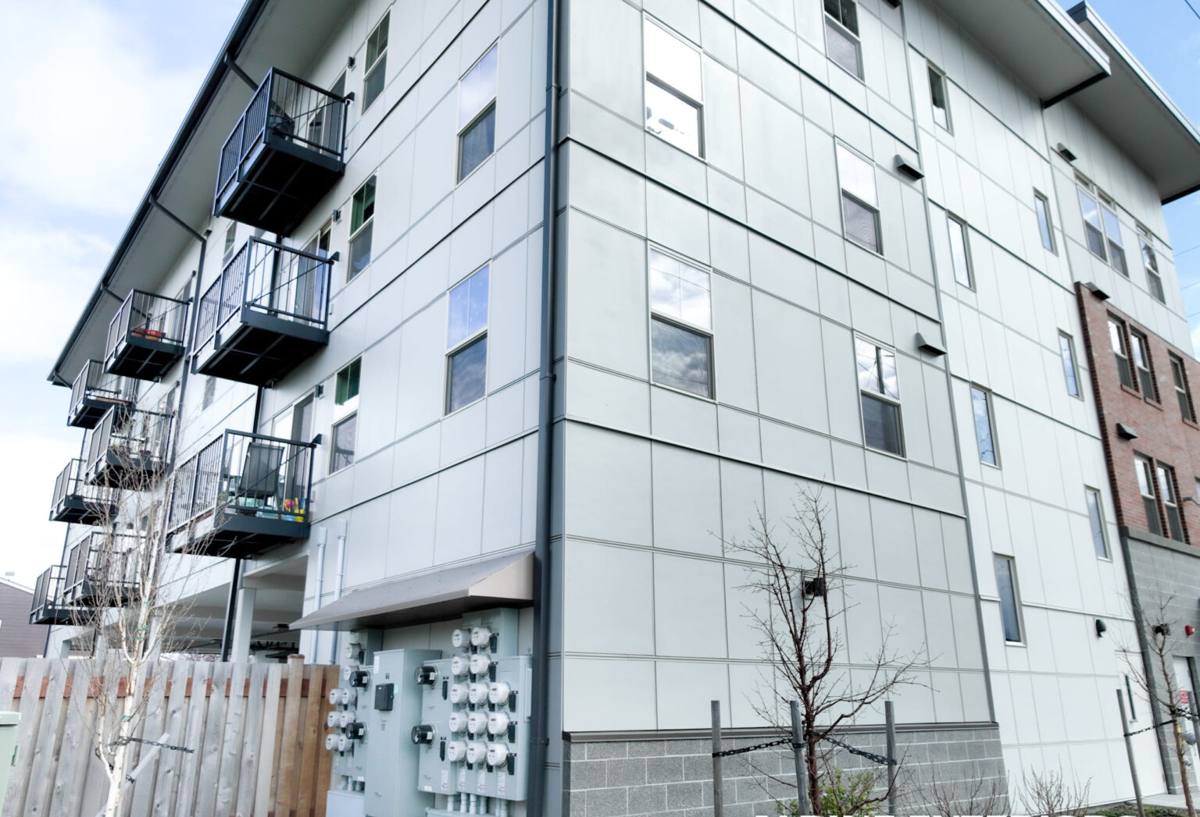
What This Climate Actually Does to Siding
Wind and Storm Pressure
Kenneth City isn't directly on the coast, but it's close enough that hurricane and tropical storm wind loads still apply in full. Siding here needs to be rated for real wind pressure, and just as important, it needs to be fastened correctly for that rating. A siding product can be technically wind-rated on paper and still fail on a house if it's installed with the wrong nailing pattern, wrong fastener spacing, or wrong clearance at the corners and edges.
UV Exposure
Florida sun is relentless, and it's on your siding twelve months a year, not just in summer. UV breaks down pigments and resins in lower-grade siding finishes, which is why cheaper paint jobs and some vinyl products fade, chalk, or go dull within a handful of years. A factory-baked finish that's engineered for UV resistance is not optional here — it's the difference between siding that still looks new at year ten and siding that needs repainting by year five.
Wind-Driven Rain and Moisture
Afternoon storms in this part of Florida don't fall straight down — wind pushes rain sideways into wall assemblies, seams, and butt joints. Siding and the water-resistive barrier behind it need to shed that water, not absorb it or trap it. Moisture that gets behind siding and stays there is how rot, mold, and structural damage start, usually invisibly, until the damage is already extensive.
Salt Air
Even at Kenneth City's inland-of-the-beach distance, salt air carried off Tampa Bay and the Gulf settles on every exterior surface in the area. Salt accelerates corrosion of fasteners and metal trim, and it degrades some siding finishes and caulk joints faster than inland Florida locations would see. Material choice and fastener choice both matter more here than they would forty miles further from the water.
Why We Only Install James Hardie
We made the decision to stop installing vinyl, LP SmartSide, and other fiber cement alternatives like Cemplank and Allura, and we don't install primed spruce or cedar either. That's not a marketing position — it's a standard we set after seeing how those products actually perform in Central Florida over years, not in a showroom.
| Factor | James Hardie Fiber Cement | Vinyl / Engineered Wood Alternatives |
|---|---|---|
| Fire behavior | Non-combustible material | Combustible (vinyl melts/deforms; wood-based products burn) |
| UV/color stability | ColorPlus factory finish engineered for UV | Field-painted or resin-based color fades faster in FL sun |
| Moisture behavior | Dimensionally stable, resists warping | Vinyl can warp/buckle in heat; wood-based products vulnerable to swelling if moisture gets in |
| Wind performance | HZ5 products engineered for high-wind zones | Varies widely by product and installation quality |
| Warranty | Strong transferable manufacturer warranty | Often shorter or more limited, especially on finish |
To be fair to the alternatives: vinyl is inexpensive and easy to install fast, and engineered wood siding can look good when it's new and detailed carefully. Those aren't nothing. But in this climate, the long-term maintenance burden, moisture sensitivity, and finish degradation we've seen on those products isn't a trade-off we're willing to put our name behind. James Hardie's fiber cement composition, factory-applied finish, and Florida-specific HZ product engineering are built for exactly the conditions Kenneth City deals with.
Which Hardie Products Make Sense for This Neighborhood
James Hardie makes climate-specific product lines, and HZ5 — the line engineered for Florida's humidity, heat, and coastal exposure — is what we spec for Kenneth City homes. Within that, homeowners typically choose between a few profiles:
- HardiePlank lap siding — the most common choice for traditional Florida home styles, available in multiple exposure widths and textures (smooth or cedarmill).
- HardiePanel vertical siding — used for accent walls, gables, or modern architectural styles.
- HardieShingle — a staggered or straight-edge shingle look for homes wanting more texture without going to cedar.
- HardieTrim — matched trim boards for a finished, consistent look at corners, windows, and fascia.
ColorPlus factory finish is worth calling out specifically: the color is baked on at the factory under controlled conditions, which gives it better UV and fade resistance than field-applied paint, plus a longer finish warranty. For a home in a high-UV market like Pinellas County, that's a meaningful long-term difference, not a cosmetic upsell.
What a Correct Installation Actually Involves
Fiber cement siding is only as good as its installation. Hardie's own installation guidelines are specific for a reason — skipping steps is how homeowners end up with premature moisture problems even on a top-tier product. A correct job on a Kenneth City home includes:
- Tear-off and substrate inspection — removing old siding and checking the sheathing underneath for existing rot or moisture damage before anything new goes on.
- Water-resistive barrier — a properly lapped and sealed weather barrier behind the siding, which is the actual first line of defense against wind-driven rain.
- Flashing at every penetration — windows, doors, vents, and any other wall penetration get flashed so water is directed out, not trapped behind the siding.
- Correct fastener spec — corrosion-resistant fasteners, sized and spaced to Hardie's published requirements and to the local wind rating, not just "close enough."
- Proper clearances — siding held off the ground, roofline, and other transitions per code, so it doesn't wick moisture from grade or trap water at flashing points.
- Joint and seam treatment — butt joints and panel seams sealed or flashed per manufacturer spec so they don't become entry points for wind-driven rain.
- Finish detailing — caulking, trim, and paint touch-up (for cut edges) done to keep the whole system watertight and visually consistent.
Any one of these steps done wrong can undercut the product's performance, regardless of the manufacturer's rating. This is why installer experience matters as much as the material choice itself.
Our Process for Kenneth City Projects
We keep the process straightforward because homeowners deserve to know what's happening to their house and when:
- On-site assessment — we walk the exterior, check current siding and substrate condition, and note anything already compromised by moisture or age.
- Written estimate — product line, profile, color, and scope laid out clearly, with no vague allowances.
- Tear-off and prep — old material removed, substrate checked and repaired as needed before any new siding goes up.
- Weather barrier and flashing installation — the unglamorous part that determines whether the job holds up in year eight, not just year one.
- Hardie installation to manufacturer spec — correct fasteners, spacing, and clearances throughout.
- Final walkthrough — we go over the finished job with the homeowner before calling it done.
Why a Crew That Already Works Kenneth City Matters
Local installation experience isn't just familiarity with street layouts. It means knowing how homes in this part of Pinellas County were typically built, what substrate conditions tend to show up under older siding in this area, and how to sequence a job around Florida's storm season instead of getting caught mid-project by it. It also means understanding permitting expectations in this part of the county and building wind-rated assemblies that are actually inspected and documented correctly, not just assumed to meet code.
A crew that's done this work repeatedly in the same climate zone catches problems — marginal substrate, prior water intrusion, undersized flashing — before they get sealed behind new siding, rather than after.
What to Check Before Hiring Anyone for Siding Work
- Are they a certified or experienced James Hardie installer, or are they treating it like any other siding product?
- Do they inspect and address substrate condition before installing, or just go over what's there?
- Can they explain their flashing and water-resistive barrier approach specifically, not in general terms?
- Do they pull the correct permits and follow local wind-load requirements?
- Is their estimate specific about product line, profile, and color — not just "siding replacement"?
Get a Straight Answer for Your Home
Every Kenneth City home is a little different — some have substrate issues hiding under old siding, some just need a straightforward like-for-like replacement. We're happy to take a look, tell you honestly what we see, and put together a clear, no-pressure estimate for James Hardie siding done right. Fill out the form below to get started.