 Seminole Siding
 Metal Roofing for Kenneth City Homes
Kenneth City sits tucked inside Seminole and unincorporated Pinellas County, a small, dense community of mostly older homes on modest lots. A lot of those roofs are original or close to it, and a lot of homeowners here are starting to look seriously at metal as the replacement option rather than another round of asphalt shingles. That's a reasonable instinct — a correctly installed metal roof handles this area's weather better than most alternatives — but "metal roofing" covers a wide range of products and installation quality, and the difference between a roof that performs for decades and one that causes problems in five years comes down to details most homeowners never get walked through.
This page is about metal roofing specifically for Kenneth City: what the climate here demands from it, what a correct installation actually involves, and why a crew that already works this part of Seminole and Pinellas County is worth choosing over one that doesn't.
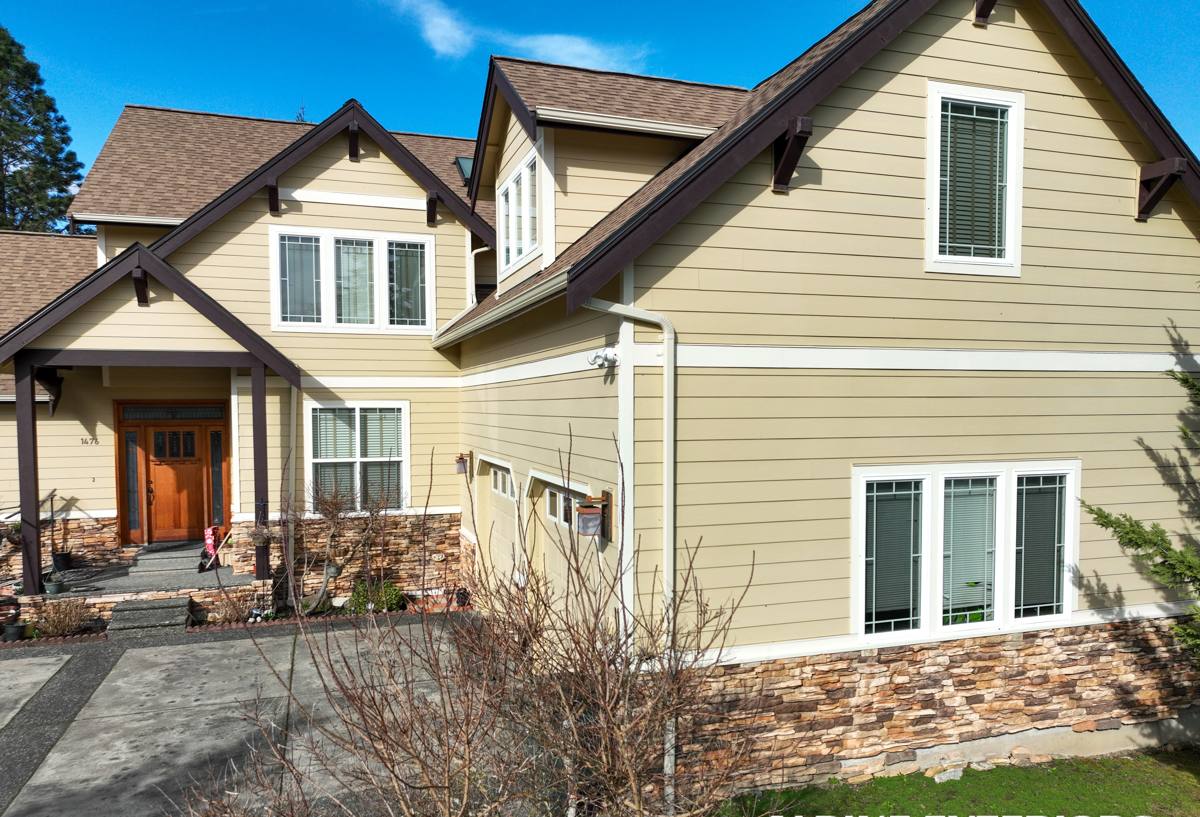
What Kenneth City's Climate Does to a Roof
Kenneth City doesn't have its own weather system separate from the rest of Seminole and Pinellas County, but it does sit inside all the same stresses that make roofing here different from most of the country.
Hurricane-Force Wind
Wind uplift is the single biggest structural threat to any roof in this area. Roofing fails in high wind mostly at the edges and corners first — where fastening is lightest and where wind pressure concentrates — and a roof that isn't rated and installed for local wind exposure can lose panels or shingles well before a storm reaches its peak. Metal roofing, when it's fastened and detailed to the manufacturer's wind rating for this exposure category, has a real structural advantage here, but that advantage only exists if the installation actually meets the rating on paper.
Wind-Driven Rain
Straight-down rain is easy for almost any roof to shed. Wind-driven rain, which is routine during Gulf Coast storms and unavoidable during hurricane season, pushes water sideways and upward into laps, seams, and penetrations that were only ever designed to shed water moving downward. This is where flashing quality and panel overlap direction matter more than the roofing material itself.
Intense, Nearly Year-Round UV
Pinellas County sees some of the most intense, sustained UV exposure in the country, active close to twelve months a year rather than a few summer months. UV breaks down sealants, degrades unstabilized coatings, and accelerates the wear on any material not engineered for this level of sun load. Paint and coating quality on a metal roof matters as much here as the metal itself.
Salt Air
Kenneth City sits close enough to the Gulf and Tampa Bay that salt-laden air is a constant, low-level presence rather than an occasional coastal event. Salt air accelerates corrosion in fasteners, flashing, and any exposed metal edge, which is exactly why fastener and coating specification for a metal roof has to account for a genuinely coastal environment, not a generic one.
Why Metal Makes Sense for This Neighborhood
Metal roofing isn't the right call for every budget or every roof, but it holds up well against the specific combination of stresses Kenneth City deals with. It doesn't absorb water the way an aging asphalt shingle does, it can be installed with wind ratings well above what standard shingles carry, and a quality factory finish resists UV degradation better than shingle granules do over the same span of years. It's also a lighter-weight system than some alternatives, which matters on older Kenneth City homes where the original framing wasn't necessarily built with a heavier roofing product in mind.
None of that means metal is maintenance-free or bulletproof. It means the material gives you more margin, provided the installation details are handled correctly — and that's where most of the real performance difference between roofs actually comes from.
What a Correct Metal Roof Installation Involves
A metal roof is a system, not just a set of panels. Skipping or shortcutting any of the following is where problems start, usually years down the road rather than immediately:
- A continuous, properly lapped underlayment as the true water barrier beneath the panels — the metal sheds the bulk of the water, but the underlayment is what protects the deck if wind-driven rain gets past a seam
- Panel fastening pattern and fastener spacing matched to the local wind exposure rating, not a generic minimum
- Corrosion-resistant fasteners and flashing specified for a coastal salt environment, including compatible metals so you don't create galvanic corrosion between dissimilar materials
- Correctly lapped and sequenced flashing at every valley, penetration, wall transition, and edge
- Proper panel overlap direction relative to prevailing wind and water flow
- Ventilation that lets the attic space breathe, since trapping heat and moisture under a metal roof can cause its own problems independent of the roofing material
- A finish and coating system rated for sustained, high-intensity UV exposure, not just a standard-climate product
Any one of these done wrong can undercut the advantages metal roofing is supposed to provide. That's the case for choosing an installer on the strength of their process, not just on the brand of panel they're selling.
Comparing Roofing Options for a Kenneth City Home
| Roofing Type | Wind Performance | UV/Sun Behavior | Salt Air Behavior | Typical Lifespan Here |
|---|---|---|---|---|
| Standing seam metal | High wind ratings achievable with correct fastening | Factory finish resists fading and chalking well | Needs corrosion-rated fasteners and compatible flashing metals | Multiple decades with proper install and coating |
| Exposed-fastener metal | Good, but fastener backout over time can reduce wind resistance | Similar coating performance to standing seam | Exposed fasteners are the main long-term maintenance point | Long-lived but needs periodic fastener checks |
| Architectural asphalt shingle | Lower wind ratings unless upgraded fastening and adhesive are used | Granule loss and UV degradation accelerate in this climate | No metal corrosion risk, but shorter overall service life here | Shorter than a well-installed metal roof |
Our Process for a Kenneth City Roof
We start with an on-site inspection of the existing roof and deck, not a drive-by estimate — the condition of the sheathing underneath matters as much as what's happening on the surface, especially on older homes where the deck may have taken on moisture over the years. From there we walk through material options, coating and finish choices, and what wind rating the installation will actually be built to meet, so you know exactly what you're paying for before work starts. Installation follows manufacturer specifications for underlayment, fastening pattern, and flashing sequencing, with fastener and flashing metals chosen for this coastal environment specifically. We do a final walkthrough with you before calling the job done, and we stand behind the work.
Why a Crew That Already Works Kenneth City Matters
Kenneth City's mix of older homes, tight lots, and Seminole-area permitting isn't identical to every neighborhood in Pinellas County, and a crew that already works this specific area brings a few practical advantages. They're familiar with the age and construction of homes typical to Kenneth City, which affects everything from deck condition to how existing flashing was originally detailed. They know the local permitting process and wind exposure requirements that apply here, rather than treating every job as if it's their first in the county. And a local crew is easier to reach for a warranty callback or a post-storm check than one that has to drive in from outside the area. None of that replaces asking direct questions about licensing, insurance, and installation specifics — but it's a real factor when you're trusting someone with the roof over your home during hurricane season.
Questions Worth Asking Before You Hire
A few straightforward questions separate a contractor who understands metal roofing in this climate from one who's just selling a product:
- What wind rating will the finished installation actually meet, and how is that documented?
- What underlayment are you using, and how is it lapped at seams and penetrations?
- Are the fasteners and flashing rated for a coastal, high-salt environment?
- How is the roof vented, and does that plan account for Florida attic heat?
- What does the warranty actually cover — material defects, workmanship, or both — and for how long?
A contractor who can answer these specifically, without hedging, is telling you something real about how they build a roof.
Getting Started
If you're weighing metal roofing for a Kenneth City home, or you've got an aging roof you'd like a straight opinion on before hurricane season puts it to the test, we're glad to take a look. Reach out below for a free, no-pressure estimate.