 Seminole Siding
 Building a Deck That Actually Holds Up in Largo
Largo sits close enough to the Gulf that its homes deal with the same weather load as the rest of coastal Pinellas County: long stretches of intense UV, sudden wind-driven downpours, and salt-laden air that finds its way into every seam and fastener. A deck built here isn't just an outdoor living upgrade — it's a structure that has to survive conditions a lot of national decking guides don't fully account for. We build decks for homeowners in and around Largo and Seminole, and the difference between a deck that lasts fifteen-plus years and one that starts failing in five almost always comes down to material choice, framing details, and fastener selection made before the first board ever gets installed.
This page is specifically about deck building for Largo-area properties — new decks, full replacements, and structural rebuilds. If you're looking at a small repair, patch job, or railing fix, that's a different scope of work with different pricing logic, and we're happy to talk through which one your project actually needs.
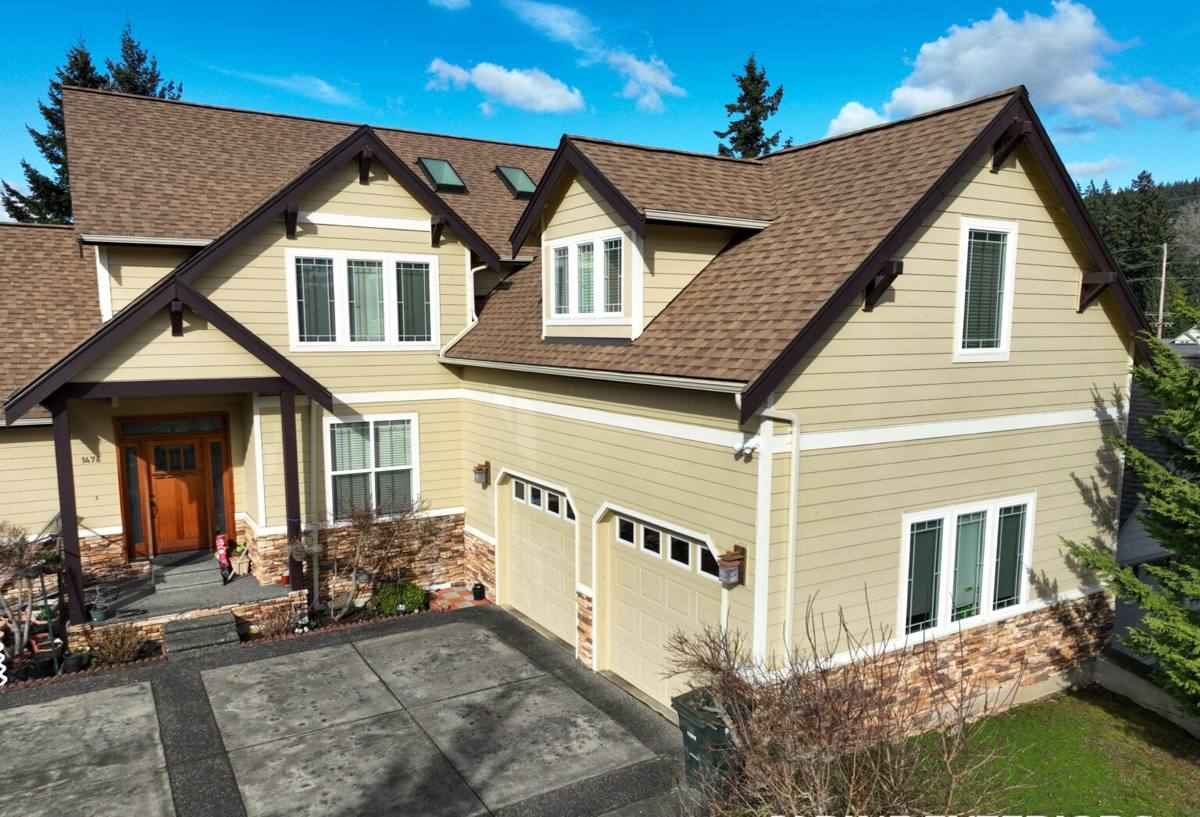
What Pinellas County Weather Does to a Deck
Every deck material sold today is marketed as low-maintenance and weatherproof. In a place like Largo, that claim gets tested harder than it does almost anywhere else in the country. A few things work against decks here specifically:
- Hurricane-force wind events put real lateral and uplift load on railings, stair stringers, and ledger connections — the parts of a deck most likely to be under-built on a budget job.
- Year-round UV exposure breaks down surface coatings, fades composite capstock, and dries out untreated wood fibers faster than in northern climates where sun exposure is seasonal.
- Wind-driven rain gets pushed sideways and underneath decking, not just down onto it — so drainage and gapping matter more than on a deck built somewhere rain falls mostly straight down.
- Salt air corrodes standard fasteners, screws, and joist hangers from the inside of the structure, often long before any problem is visible on the surface.
None of that is unique to any one street or neighborhood — it's the reality of building outdoors in coastal Pinellas County, and it's why the same deck plan that works fine inland can fail early here if it isn't adjusted for these conditions.
Choosing the Right Decking Material
There's no single "best" decking material — there's a best fit for your budget, how much upkeep you want to do, and how the deck will actually be used. Here's how the common options stack up for a Largo-area installation:
| Material | Upfront Cost | Maintenance | How It Handles Our Climate |
|---|---|---|---|
| Pressure-treated wood | Lowest | Annual sealing/staining | Needs consistent upkeep — UV and humidity cycling cause checking and warping if sealing lapses |
| Composite (wood-plastic blend) | Mid-range | Occasional cleaning | Holds up well to moisture; capstock quality determines fade resistance under constant sun |
| PVC / cellular decking | Higher | Minimal | Fully synthetic, doesn't absorb moisture, generally the most stable in humid, salt-air conditions |
| Tropical hardwood (e.g., ipe) | Highest | Periodic oiling | Naturally dense and rot-resistant, but requires disciplined maintenance to keep its look |
We don't push one product on every job. A shaded backyard deck that sees moderate foot traffic can do fine in a well-maintained wood build. A pool deck or a full-sun south-facing space is usually money better spent on composite or PVC, where the maintenance burden and UV fading are lower over the life of the structure. We'll walk through the honest trade-offs for your specific spot rather than defaulting to whatever's easiest to sell.
A Note on Fasteners and Hardware
The decking surface gets all the attention, but in this climate the hardware underneath it matters just as much. Standard galvanized screws and connectors can corrode well before the visible decking shows any wear, especially in properties closer to open water. We use stainless steel or coated fasteners rated for coastal/marine-grade exposure, and we match hardware to whatever decking material is actually going down — mismatched fasteners are one of the more common causes of premature deck failure we see on inspection calls.
Substructure and Framing: Where Decks Actually Fail
Almost every deck failure we get called out for starts below the decking boards, not on top of them. The substructure is what has to resist wind uplift and lateral racking during a storm, and it's the part that's easiest to under-build if a crew is trying to save time or material cost. The details that matter most:
- Ledger attachment — where the deck ties into the house needs proper flashing and structural fasteners, not just lag screws into siding.
- Joist spacing and sizing — needs to match the actual decking material's span rating, not a generic spacing pulled from habit.
- Post-to-footing connections — this is the primary uplift resistance point in a wind event; undersized or missing hardware here is a serious risk, not a cosmetic shortcut.
- Railing post attachment — code-driven, and also one of the first things inspectors and future buyers check.
Framing lumber below the decking should still be pressure-treated and properly sealed at cut ends, even under a composite or PVC deck surface, since that's where hidden moisture damage tends to start.
Permits and Local Code
Most new deck construction and many deck replacements in Pinellas County require a permit, and inspection typically covers footings, framing, and railing/guard details before the job is signed off. Requirements can vary by jurisdiction and by the scope of the specific project, so we handle the permit process as part of the job rather than leaving homeowners to sort it out with the county themselves. Skipping permitting on a structural deck isn't a shortcut worth taking — it creates real problems at resale and, more importantly, means the structure hasn't been checked against the wind and load standards it's actually going to be tested by.
Our Deck Building Process
- On-site assessment. We look at sun exposure, drainage, ledger attachment point, and how the space will actually be used before recommending a material.
- Design and material selection. We walk through the honest trade-offs between wood, composite, and PVC for your specific site and budget — no default upsell.
- Permit handling. We pull the required permits and schedule inspections so the structure is verified at the stages that matter.
- Demolition (if replacing). Old decking, framing, and hardware are removed and the substructure is checked for hidden rot or corrosion before rebuilding on top of it.
- Framing and structural work. Ledger, joists, posts, and footings go in first, built to the load and wind requirements for this area — not a generic inland spec.
- Decking installation. Boards are installed with proper gapping for drainage and expansion, using fasteners matched to the material and to coastal exposure.
- Railings, stairs, and finish work. Code-compliant railing height and spacing, secured stair stringers, and finish details.
- Final walkthrough. We go over care and maintenance specific to whatever material was installed, so it actually gets the lifespan it's rated for.
Maintenance Checklist for a Long-Lasting Deck
What you do after the deck is built matters almost as much as how it was built. A simple seasonal routine goes a long way in this climate:
- Rinse off salt residue and debris periodically, especially after storms with onshore wind
- Check railing posts and stair connections for looseness once or twice a year
- For wood decks, re-seal or re-stain on the schedule the product actually requires — not "when it looks bad"
- Keep gaps between boards clear of trapped leaves and debris so water can drain instead of pooling
- Inspect fastener heads for early corrosion, particularly on hardware closer to ground contact
- Trim back vegetation that keeps sections of the deck shaded and damp longer than the rest
Why a Crew That Already Works Largo Matters
Deck-building advice that's generic for "Florida" isn't specific enough for what a Largo property actually deals with — proximity to the Gulf, the particular mix of sun exposure and storm exposure in this part of Pinellas County, and the local permitting process all factor into how a deck should be built here. A crew that's already doing this work in Seminole and the surrounding area isn't guessing at material behavior or framing specs — we've seen what holds up locally and what doesn't, and we build accordingly from the first framing decision, not just at the finish stage.
Get a Straight Answer on Your Deck Project
If you're planning a new deck or need to replace one that's showing its age, we're glad to come take a look and give you a clear, honest estimate — what it'll cost, what material actually makes sense for your space, and what the timeline looks like. No pressure, no upsell script. Reach out through the form below to get a free estimate for your Largo-area deck project.