 Seminole Siding
 Why James Hardie Siding Gets Specified So Often in Largo
Largo sits well inland of the beaches but still squarely inside Pinellas County's coastal climate zone, close enough to both the Gulf and Tampa Bay that salt air, wind-driven rain, and hurricane-season wind loads all reach it the same way they reach the more waterfront parts of the county. Add in Florida's year-round UV intensity, and Largo's siding takes on a combination of stresses that a lot of siding products simply weren't built to handle for decades on end.
We install James Hardie fiber cement siding exclusively, and Largo is one of the areas where that decision proves out most clearly. This page focuses on one service, in one area: what a correctly installed James Hardie system needs to deliver for a Largo home, how our process works from first walk-through to final punch list, and why hiring a crew that already works this specific market is worth something you can't get from a generic quote.
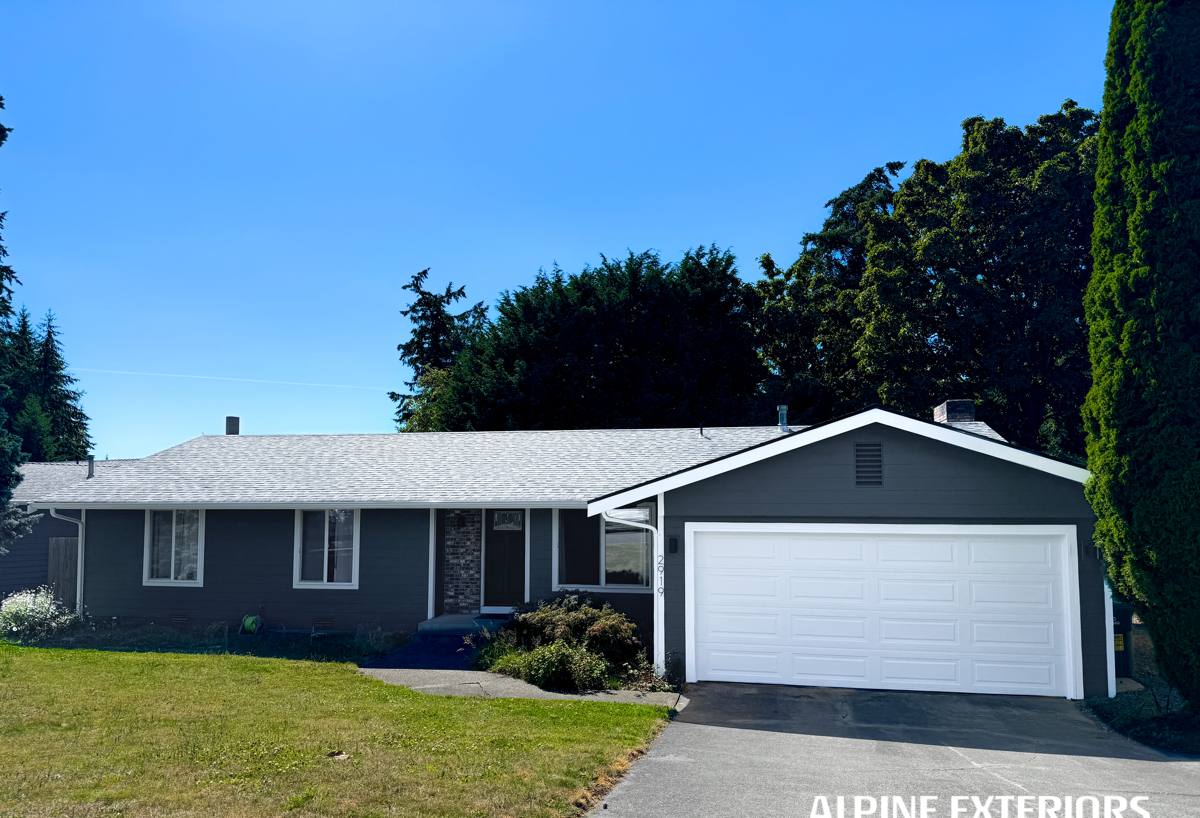
What Largo's Climate Actually Does to a Home's Exterior
Hurricane-Force Wind
Largo isn't exempt from the wind loads that shape building code across the rest of Pinellas County. Sustained hurricane-force gusts stress every fastener, joint, and lap on a home's exterior, and siding that isn't rated and installed for those loads is the first thing to show damage — torn panels, popped fasteners, or corners that peel back in a storm.
Intense Year-Round UV
Florida's sun angle and long day length mean siding here absorbs more cumulative UV exposure annually than siding almost anywhere else in the country. Lower-grade paints and coatings chalk and fade under that load faster than most homeowners expect, especially on south- and west-facing walls that catch direct afternoon sun.
Wind-Driven Rain
Straight-down rain is manageable for nearly any siding product. Rain pushed sideways by 40-60+ mph wind finds its way into butt joints, fastener penetrations, and trim intersections that stay dry in ordinary weather. That's where flashing quality and joint detailing separate a siding job that survives storm season from one that doesn't.
Salt Air
Even set back from the water, Largo gets a steady dose of salt-laden air moving in off the Gulf and Tampa Bay. Salt accelerates corrosion on exposed fasteners and trim and works against coatings and adhesives that weren't formulated to resist it. It's a slow, cumulative effect, which is exactly why it gets overlooked until it's already caused a problem.
What a Correct James Hardie Job Requires in This Climate
James Hardie fiber cement is engineered to handle all four of those stresses, but the product alone doesn't guarantee the outcome — installation quality determines whether a home actually gets the performance the material is capable of. In Largo, that means paying close attention to a specific set of details:
- HZ5-rated Hardie product, formulated for high-humidity, high-moisture-exposure climates rather than a generic national spec
- Correct clearance from grade, roof lines, and decking so the bottom course of siding isn't sitting in standing water after heavy rain
- Properly lapped and sealed weather-resistant barrier behind every panel, not house wrap stapled up and left alone
- Fastener type, spacing, and penetration depth matched to Pinellas County's wind zone requirements, not a lighter out-of-state standard
- Flashing integrated correctly at every roof-to-wall transition, window and door opening, and horizontal joint
- Caulking used only where James Hardie's specifications call for it, not as a substitute for proper flashing and gapping elsewhere
Skip any one of these and the siding may still look fine on installation day. The problems show up a season or two later, usually right after the first serious storm, when water finds the one joint or fastener that wasn't done to spec.
Why We Install Only James Hardie
We get asked in Largo, as we do everywhere we work, why we don't also offer vinyl, LP SmartSide, or other fiber cement brands like Cemplank or Allura. The honest answer is that we standardized on one product because we'd rather install it exceptionally well than spread our crews across several products installed adequately.
Vinyl
Vinyl is inexpensive and low-maintenance in mild climates, but it hangs on the wall rather than being rigidly fastened flat — that's part of its designed expansion tolerance, but it also makes it more susceptible to being torn loose in sustained hurricane-force gusts compared to a mechanically fastened fiber cement panel.
Engineered Wood (LP SmartSide and Similar)
Engineered wood siding has a real track record, but it's still a wood-fiber product at its core. In a climate where humidity rarely lets surfaces fully dry between rain events, any compromise in the factory edge seal — an unsealed field cut, a cracked fastener point, a joint that opens over time — gives the wood core a place to wick moisture and swell.
Other Fiber Cement Brands
Not all fiber cement is engineered the same way. James Hardie's HZ5 line is built specifically for humid, high-moisture climates like ours, its ColorPlus factory finish resists the fading and chalking that plain field-painted siding shows under Florida UV, and its installation documentation and warranty backing are more thorough than what we've found from other fiber cement manufacturers. It's also non-combustible, which comes up often enough in conversations with homeowners to be worth stating plainly.
Comparing Siding Options for a Largo Home
| Factor | Vinyl | Engineered Wood | James Hardie Fiber Cement |
|---|---|---|---|
| Wind performance in hurricane-force gusts | Can be torn loose in sustained high winds | Solid when properly fastened and sealed | Rigid, mechanically fastened, engineered for wind zones |
| Behavior under constant UV | Can fade and become brittle over years | Factory finish varies by product | ColorPlus finish resists fading and chalking |
| Moisture/humidity tolerance | Doesn't rot but traps humid air behind it | Wood-fiber core can swell if edge seal is compromised | Non-organic, doesn't swell or support rot |
| Salt air exposure | Generally stable, fasteners can corrode | Generally stable, fasteners can corrode | Generally stable, quality fastener specs matter |
| Combustibility | Can melt/deform in extreme heat | Combustible (wood-based) | Non-combustible |
What Cost Depends On
Every Largo project is priced around the same handful of variables, and a straightforward contractor should be able to walk you through each one rather than handing you a single flat number sight unseen.
| Factor | Why It Matters |
|---|---|
| Home size and number of stories | More square footage and taller walls mean more material and more labor, including staging for upper-level work |
| Current siding condition | Rot or damaged sheathing found during tear-off adds repair scope that can't be fully priced until the old siding is off |
| Hardie product line selected | Lap, panel, shingle, and board and batten profiles carry different material and labor costs |
| Trim and detail complexity | Homes with more corners, dormers, or architectural detail require more cutting, fitting, and flashing work |
| Color and finish selection | ColorPlus factory-finished product versus field-painted affects both material cost and long-term maintenance |
How Our Process Works in Largo
Every project starts with a walk of the exterior, looking at what's actually happening underneath the current siding rather than just what's visible from the curb. That means checking for soft spots near window and door trim, examining flashing at roof-to-wall transitions, and looking at how water has historically drained around the foundation.
What a Typical Project Includes
- Exterior inspection and moisture check before any tear-off begins
- Removal of existing siding and inspection of the sheathing underneath
- Repair or replacement of any damaged sheathing or framing found during tear-off
- Installation of a proper water-resistive barrier with correctly integrated flashing
- James Hardie plank, panel, or shingle siding installed to manufacturer spec and Pinellas County wind code
- Trim, corner boards, and fascia work to match the chosen Hardie product line
- Final walkthrough covering caulking, touch-up needs, and care instructions
Why Hiring a Crew That Already Works Largo Matters
Siding quality is mostly determined by details that never show up in a driveway walkthrough — how flashing is lapped, how much clearance is left at the bottom course, whether cut ends are sealed, whether fasteners are driven to correct depth. A crew that regularly works Pinellas County has already seen how those details play out on this housing stock, under these storm conditions, and understands what the county's wind zone requirements and permitting process actually call for, rather than applying a generic standard from somewhere else. That local repetition is what keeps a Hardie installation performing the way the product is designed to, instead of developing the same failure points as a poorly installed alternative.
It also matters for scheduling. A crew based in and around this market can respond to storm-season timing pressures and permitting turnaround in a way that an out-of-area contractor commuting in for one job typically can't.
Signs a Largo Home May Need Attention
- Paint that's chalking, fading unevenly, or peeling faster on sun-facing walls
- Soft or spongy spots when pressing on siding near windows, doors, or the bottom courses
- Visible gaps, warping, or buckling in siding panels, especially after storm season
- Rust streaks or corrosion around fasteners and trim
- Musty odors or visible staining on interior walls that back up to exterior siding
- Siding that's noticeably older than 20-25 years with no documented replacement history
None of these signs mean a home needs full replacement immediately, but they're worth a professional look before the next storm season rather than after water has already worked its way into the sheathing and framing.
What to Expect From an Estimate
An honest estimate starts with an inspection, not a sales pitch. We'll look at your current siding's condition, check for hidden moisture or structural issues, talk through which James Hardie product line fits your home and budget, and give you a straightforward number rather than a low figure that grows once work starts. If you're in Largo and thinking about James Hardie siding, we're glad to come take a look and put together a free, no-pressure estimate using the form below.