 Seminole Siding
 Siding Repair Built for Largo's Climate, Not a Generic Fix
Largo sits inland from the Gulf but still takes the full brunt of Pinellas County weather — hurricane-force wind gusts during tropical systems, wind-driven rain that finds every gap in a wall system, salt air carried in off the coast, and some of the most intense year-round UV exposure in the continental United States. Siding here doesn't fail because it's old. It fails because it was never detailed correctly for this environment in the first place, or because a repair was done as a patch job instead of a proper fix.
We work Largo regularly as part of our Seminole-area service territory, and the damage patterns repeat: buckled panels near dryer vents and hose bibs, cracked caulk joints letting water behind the wall, and sun-bleached or chalking siding on south and west exposures. A siding repair that doesn't account for how this specific climate attacks a wall assembly just buys you a year or two before the same spot fails again.
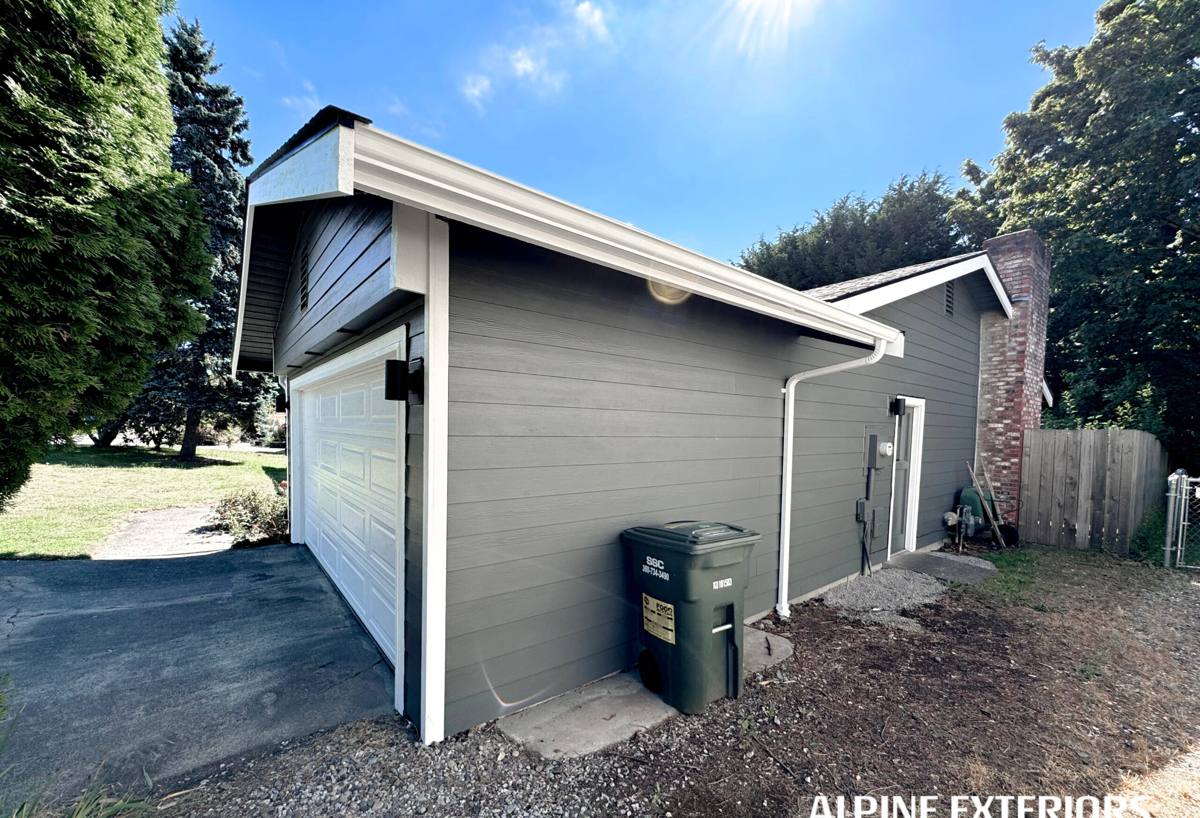
Signs Your Largo Home Needs Siding Repair
Most siding problems give warning signs long before they turn into rot or interior water damage. Homeowners in Largo should walk their exterior a couple of times a year — especially after hurricane season — and look for these:
- Panels that are cracked, split, or visibly buckled, particularly near corners and window trim
- Soft or spongy spots when you press on the siding or the trim boards around it
- Caulk joints that have shrunk, cracked, or pulled away from panel edges
- Staining, streaking, or a chalky white residue on the siding surface
- Paint that's peeling or bubbling on interior walls near exterior corners — often the first sign of water getting in from outside
- Visible gaps where siding meets window and door trim, roofline, or foundation
- Nail heads popping through the surface, which lets moisture track behind the panel
Any one of these on its own might be minor. Several together, or anything near a roof valley or ground-level splash zone, usually means water has already been getting behind the siding for a while.
What's Actually Damaging Siding in This Area
Wind and Wind-Driven Rain
Pinellas County's wind exposure means siding takes lateral pressure that inland Florida homes rarely see. Even outside of a named storm, seasonal squalls push rain sideways into joints and seams that were designed for water running down, not water being forced sideways or upward under pressure. Repairs that don't restore proper flashing and overlap at those seams will leak again in the next hard blow.
UV Exposure
Florida sun is hard on exterior finishes year-round, not just in summer. UV breaks down caulk, degrades cheaper paint films, and can cause certain siding materials to chalk, fade unevenly, or become brittle over time. South- and west-facing walls in Largo typically show the most wear.
Salt Air
Largo isn't beachfront, but it's close enough to the Gulf that salt-laden air still reaches inland neighborhoods, especially with onshore winds. Salt accelerates corrosion of fasteners, trim flashing, and any metal components in the wall assembly — which is often the real reason a "siding" repair also involves replacing rusted nails or trim screws.
Moisture and Humidity
Between the humidity and the rain volume, any gap in the water-resistive barrier behind the siding stays wet longer here than in drier climates, giving rot and mold more time to take hold before anyone notices.
Repair or Replace? How We Make That Call
Not every damaged section needs a full re-side. But patching the wrong situation just delays a bigger repair. Here's generally how we evaluate it:
| Situation | Usually Repairable | Usually Needs Replacement |
|---|---|---|
| Isolated cracked or impact-damaged panels | Yes — matched panel swap | No, unless damage is widespread |
| Failed caulk joints, no wood rot found | Yes — reseal and re-detail | No |
| Soft sheathing or rotted framing behind siding | Sometimes, if localized | Yes, if rot has spread |
| Widespread cracking across multiple elevations | Rarely cost-effective | Yes |
| Original siding is vinyl or wood nearing end of service life | Short-term only | Yes — repair value drops fast |
We'll always tell you honestly when a repair is a reasonable fix versus when you're better off putting that money toward replacement instead of chasing the same problem in different spots.
What a Correct Siding Repair Actually Involves
A siding repair isn't just swapping a broken piece for a new one. Done right, it includes:
- Diagnosis first. We find out why the damage happened — impact, failed flashing, a caulk joint that gave out, a moisture source — before deciding on the fix.
- Checking what's behind the siding. Damaged panels get pulled and the sheathing and water-resistive barrier underneath get inspected for rot or hidden moisture before anything new goes back on.
- Correcting the detail, not just the surface. If a joint failed because of poor flashing or caulking, we fix the underlying detail so the same spot doesn't fail again next storm season.
- Matching materials properly. Panel profile, exposure, and finish need to match the existing siding closely enough that the repair doesn't stand out or create a weak seam.
- Re-sealing and finishing to spec. Proper caulk, fasteners rated for this environment, and correct nailing patterns — not just enough to hold the piece in place.
Why We Only Work With James Hardie Fiber Cement
We install and repair James Hardie fiber cement exclusively — we don't install vinyl, LP SmartSide, Cemplank, Allura, or primed wood siding. That's a deliberate standard, not a limitation, and it matters for repairs specifically:
- Non-combustible material that holds up structurally in a way wood-based products can't match over time.
- Factory-applied ColorPlus finish is baked on and far more UV- and fade-resistant than field-applied paint, which matters a lot under Florida sun.
- HZ5 product lines are engineered specifically for high-humidity, high-moisture climates like ours, rather than a general-purpose product used everywhere.
- Dimensionally stable — it doesn't expand, contract, or warp with humidity swings the way vinyl and some wood-fiber products do, which is often exactly what caused the original repair need.
- Strong transferable warranty backing the material when it's installed to Hardie's specifications.
If your home currently has vinyl or another siding type, we'll still give you a straight answer on repair options — but for patch work and any new sections, Hardie is what we recommend and what we install.
How We Work in Largo
We service Largo as part of our regular Seminole-area coverage in Pinellas County, which means our crews already understand the wind-load requirements, the salt-air exposure, and the way older Largo neighborhoods were built compared to newer construction. We handle any required permitting for the scope of work, and we're upfront about timelines that account for Florida's rainy season scheduling.
Because we're local, we're also positioned to come back and stand behind the work — not a one-time crew that repairs your siding and is gone from the area by the next season.
What Affects the Cost of a Siding Repair
| Factor | Why It Matters |
|---|---|
| Extent of damage | A few panels versus multiple elevations changes labor and material scope significantly |
| Hidden rot or water damage | Sheathing or framing repair adds cost beyond the visible siding itself |
| Color and profile matching | Older or discontinued siding colors/profiles can be harder to match seamlessly |
| Access and height | Second-story or hard-to-access sections take more time and equipment |
| Underlying cause | Fixing a flashing or moisture-barrier problem, not just the panel, adds a step but prevents repeat failure |
We give a straight, itemized estimate after an in-person inspection — not a phone-quoted guess — because two homes with "the same" damage can need very different scopes of work once we see what's actually happening behind the siding.
Checklist Before You Hire Anyone for Siding Repair
- Do they inspect what's behind the damaged siding, or just replace the visible panel?
- Do they explain why the damage happened, not just how they'll patch it?
- Do they work in Largo and Pinellas County regularly, or is this a one-off job for them?
- Do they give a written, itemized estimate after an on-site inspection?
- Do they stand behind the repair with a warranty on both material and labor?
If you're seeing cracked panels, failing caulk joints, or water staining on a Largo home, we're happy to take a look and give you an honest read on what it actually needs — a targeted repair, a larger fix, or just routine maintenance. Reach out for a free, no-pressure estimate using the form below.