 Seminole Siding
 Windows Built for What Largo Weather Actually Does to a Home
Largo sits in the middle of Pinellas County, close enough to the Gulf that salt air reaches every neighborhood and far enough inland that homeowners sometimes assume they're spared the worst of it. They aren't. A window on a Largo home deals with the same combination of stresses as one on the beach: hurricane-force wind gusts during storm season, wind-driven rain that gets pushed sideways into any gap in the seal, and near-constant UV exposure that breaks down frame materials and seals year-round, not just in summer. Add in the corrosive effect of salt-laden air on hardware and fasteners, and it's clear why a window that would hold up fine in a drier, calmer climate can fail here well before its expected lifespan.
We work out of Seminole and cover Largo regularly, which means we see the same failure patterns over and over: seals that gave out at the corners first, aluminum frames that pitted and stiffened, and glass units that fogged between the panes once the gas seal broke down. None of these are exotic problems. They're what happens when a window wasn't specified or installed with this exact climate in mind.
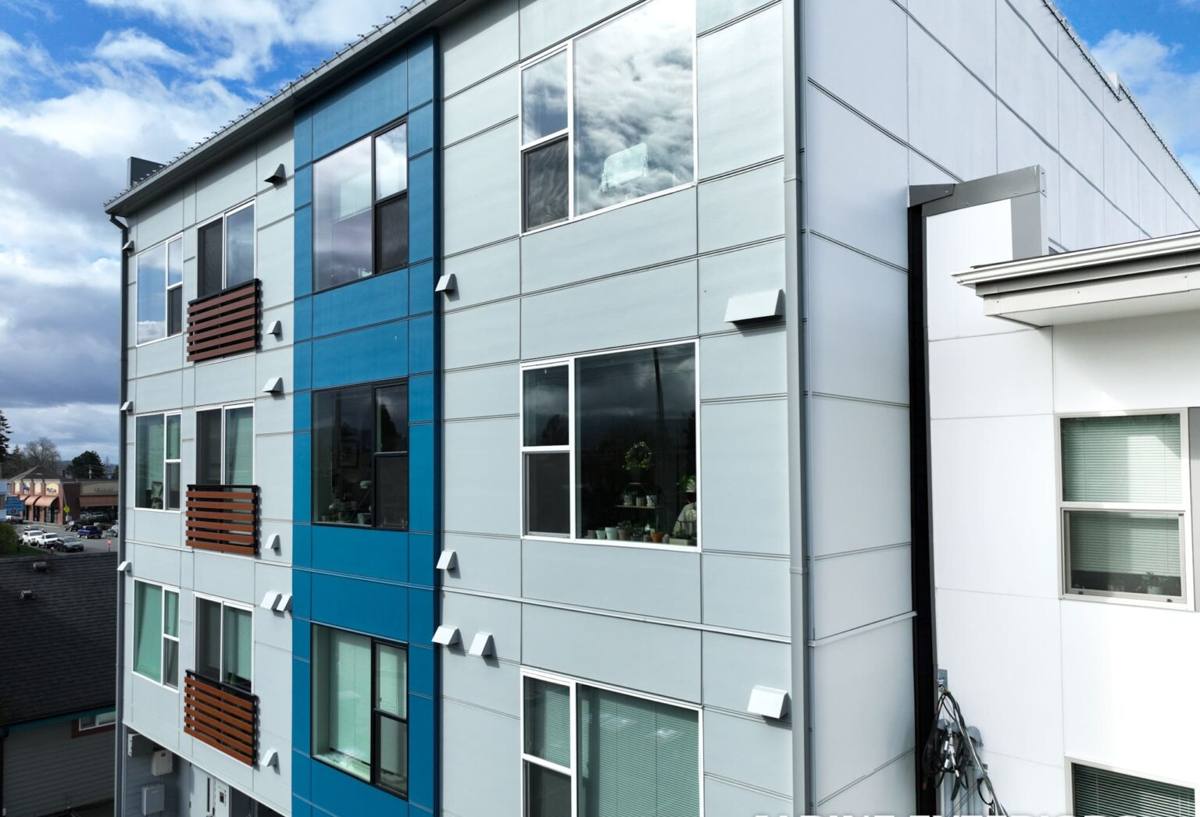
What "Correct" Window Installation Actually Means
Anyone can set a window into a rough opening and caulk around the edges. Correct installation is a different standard, and it's the difference between a window that performs for decades and one that starts leaking within a few storm seasons. The parts that matter most are the parts you never see once the trim goes back on.
Flashing and Water Management
Every opening needs a flashing sequence that directs water down and out, never inward. That means sill pan flashing at the bottom of the opening, properly lapped side and head flashing, and integration with the existing weather-resistive barrier so water sheds over each layer instead of behind it. Skipping or rushing this step is the single biggest cause of hidden water damage we find behind older windows.
Fastening for Wind Load
The window has to be fastened according to its tested and labeled installation instructions, using the fastener type, spacing, and embedment the manufacturer specifies for the wind load at that opening. This isn't a place to improvise. Florida's product approval system exists because a window is only as strong as its weakest attachment point in a wind event.
Sealing That Survives UV and Movement
Sealants have a service life, and constant UV exposure shortens it. We use sealant products rated for exterior exposure and apply them in a bead and backer-rod configuration that allows for expansion and contraction, rather than a single thick smear that looks fine on day one and cracks within a year or two.
Choosing the Right Window for a Largo Home
There isn't one "best" window for every house. The right choice depends on the home's exposure, the homeowner's budget, and how much the household wants to rely on separate storm protection versus building the protection into the window itself.
| Factor | Impact-Rated Windows | Standard Windows + Shutters |
|---|---|---|
| Storm prep effort | None — always in place | Shutters must be installed before each storm |
| Upfront cost | Higher per window | Lower window cost, added shutter cost |
| Daily UV/noise performance | Laminated glass cuts UV and noise year-round | Standard glass, no added benefit outside storms |
| Appearance | Slightly heavier sightlines | Standard sightlines, shutters visible when deployed |
| Insurance considerations | May help with wind mitigation credits | Depends on shutter type and documentation |
Frame material matters just as much as glass. Vinyl and fiberglass frames handle salt air and UV better than bare aluminum over the long run, since they don't pit or corrode the same way. Aluminum still has a place, particularly on larger openings where stiffness matters, but it needs a quality finish and proper isolation from dissimilar metals to hold up near the coast.
Our Installation Process
Assessment and Measurement
We start by inspecting the existing opening, not just the window itself. That means checking the framing, sill, and any signs of past water intrusion before we ever measure for a replacement. A window ordered off bad measurements or set into a compromised opening is a problem no amount of good installation technique can fix later.
Removal and Opening Prep
Old windows come out carefully so we can see what's actually happening behind them. Any soft wood, failed flashing, or existing moisture damage gets addressed before a new window goes in. Installing a new window over a hidden problem just delays the failure and hides it behind new trim.
Setting, Fastening, and Sealing
The window is set, shimmed level and plumb, fastened to the manufacturer's tested schedule, and sealed with the flashing and sealant approach described above. We check operation — smooth opening, closing, and locking — before we move on to finish work.
Final Inspection and Cleanup
We walk every opening again once trim and caulking are complete, checking seals, hardware function, and general appearance. Job sites get cleaned up daily, not just at the end.
What We Commonly Find on Largo Replacement Jobs
Largo has a mix of housing stock, from mid-century homes to more recent construction, and each era brings its own quirks. Older single-pane aluminum windows are common and were never designed for today's wind load standards. Homes from later decades sometimes have windows that were installed without proper flashing, relying on caulk alone to keep water out — a shortcut that tends to catch up with a house eventually.
- Aluminum frames that have pitted or seized from years of salt air exposure
- Caulk-only installations with no sill pan flashing behind the frame
- Soft or rotted framing discovered only once the old window is removed
- Fogged double-pane glass from a failed seal, even when the frame looks fine
- Undersized fasteners that don't meet current wind load requirements
Permits, Codes, and Wind Requirements
Window replacement in Pinellas County requires a permit and inspection in nearly all cases, and the products used have to carry the appropriate Florida product approval for the wind-borne debris region and wind load at that address. This isn't paperwork for its own sake — it's the mechanism that confirms a window was actually tested to hold up in the conditions it's going to face. We pull permits, schedule inspections, and handle the documentation as a normal part of the job rather than an extra step homeowners have to chase down themselves.
Cost Factors for Window Installation
Every quote is different because every opening and every home is different, but the same handful of factors drive most of the variation we see on Largo projects.
| Factor | Why It Affects Cost |
|---|---|
| Window type and rating | Impact-rated glass and heavier frames cost more than standard units |
| Opening condition | Hidden rot or old flashing failures add repair time before install |
| Frame material | Vinyl, fiberglass, and aluminum all have different price points |
| Number and size of openings | Larger and more numerous windows mean more labor and material |
| Access and site conditions | Second-story or hard-to-reach windows take more time to install safely |
We'll walk through these factors during the estimate so there aren't surprises once the job starts.
Maintaining Your Windows After Installation
A correctly installed window still needs basic upkeep, especially with the amount of salt air and UV this part of Florida gets. A little attention twice a year goes a long way toward getting the full service life out of a window.
- Rinse frames and tracks periodically to clear salt residue, especially after windy weeks
- Check exterior caulk lines each spring and fall for cracking or separation
- Lubricate locks and rollers if operation starts to feel stiff
- Keep weep holes clear of debris so water can drain properly
- Watch for soft spots in surrounding trim, which can signal a seal issue starting
Why a Crew That Already Works in Largo Makes a Difference
Window installation is one of those jobs where local familiarity actually changes the outcome, not just the convenience. Knowing what era of Largo homes tend to have hidden aluminum-and-caulk installations, knowing what Pinellas County inspectors want to see on a rough-in, and knowing how the local wind exposure varies block to block all shape decisions on the job site. A crew that only occasionally works this area is starting from scratch on each of those points. Since we're based in nearby Seminole, this isn't unfamiliar territory — it's routine work in homes and conditions we already understand.
If you're weighing a window project for a Largo home, we're glad to take a look and put together a straightforward, no-pressure estimate — just fill out the form below.