 Seminole Siding
 Madeira Beach Homes Take a Different Kind of Beating
Madeira Beach sits on a barrier island in Pinellas County, which means every exterior surface on a home here is exposed to conditions that inland Seminole properties simply don't deal with to the same degree. Salt-laden air moves off the Gulf and Boca Ciega Bay around the clock, humidity stays high for most of the year, and afternoon storms send wind-driven rain sideways into walls that were never designed to shed water at that angle. When a hurricane or tropical system tracks through the region, the same siding takes a direct hit from sustained wind loads and airborne debris.
Siding replacement on the island isn't just a cosmetic upgrade. It's the point where a homeowner gets to correct whatever was wrong with the original installation, close up the moisture paths that have been quietly doing damage for years, and put a material on the house that's actually built for this environment instead of one that was chosen because it was cheap or fast to install.
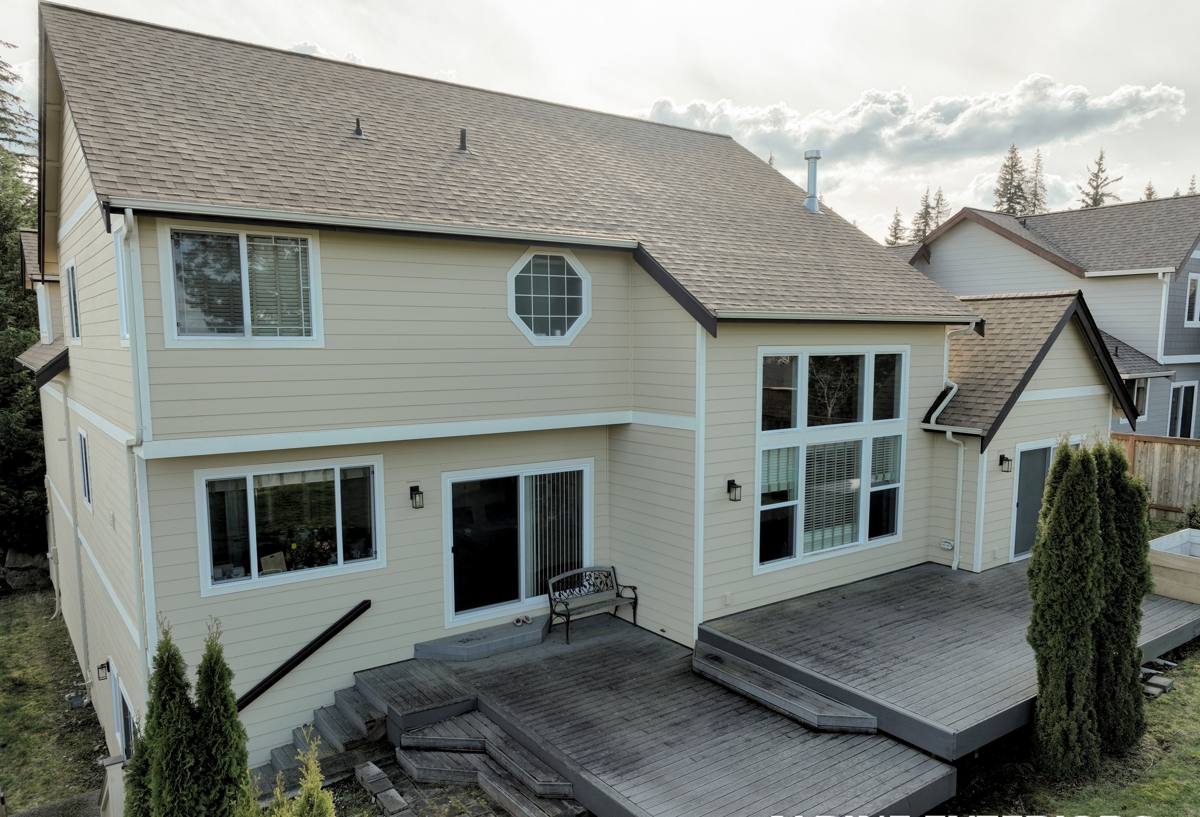
What Salt Air, UV, and Wind-Driven Rain Actually Do to Siding
Salt Air and Corrosion
Airborne salt doesn't just sit on the surface — it works into fasteners, trim seams, and any exposed edge where two materials meet. Over years, that accelerates corrosion on metal fasteners and flashing, and it breaks down cheaper paint films faster than manufacturers' published fade timelines suggest. Homes closer to the water see this more aggressively, but the entire island is close enough to the Gulf that no property here is fully insulated from it.
Year-Round UV Exposure
Florida's UV index runs high nearly every month of the year, not just in summer. Siding facing south and west catches the harshest exposure and is usually the first to show chalking, fading, and surface breakdown. Field-applied paint jobs on siding almost always fail here well ahead of a factory-cured finish, because a factory finish is baked on under controlled conditions a job-site paint crew can't replicate.
Wind-Driven Rain
Rain that comes in at an angle finds every gap in a siding system — around window and door trim, at butt joints, at the bottom courses near grade. If the water-resistive barrier, flashing, and caulking details weren't done correctly the first time, wind-driven rain will eventually find its way behind the siding and into the wall assembly, where it causes rot and mold long before anything looks wrong from the street.
Hurricane-Force Wind
Sustained wind loads and wind-blown debris put direct pressure and impact stress on siding and its fastening pattern. Siding that's under-fastened, fastened with the wrong nail spacing, or simply worn out from age is far more likely to lift, crack, or fail outright during a named storm.
Signs a Madeira Beach Home Needs Siding Replacement
Not every problem calls for full replacement — sometimes it's a repair or a re-caulk. But certain signs point to a siding system that has reached the end of its service life and is putting the structure behind it at risk.
- Soft, spongy, or crumbling spots when you press on the siding, especially near the bottom courses or below windows
- Visible warping, buckling, or separation at seams and corners
- Paint that's peeling, bubbling, or chalking heavily despite repeated repainting
- Persistent mold or mildew staining that comes back shortly after cleaning
- Rising interior humidity, musty odors, or visible staining on interior walls near exterior siding
- Siding panels that are cracked, missing, or show fastener corrosion (rust streaks around nail heads)
- Gaps that have opened up around trim, window casings, or utility penetrations
If you're seeing two or more of these at once, that's usually a sign the underlying moisture barrier has already been compromised, not just the visible surface.
What a Correct Siding Replacement Actually Involves
Replacing siding correctly is not a matter of stripping the old material off and nailing up new panels. On the island, where every installation detail gets tested by weather sooner rather than later, the steps that happen before and during install are what determine whether the job lasts.
Full Tear-Off and Substrate Inspection
Every square foot of old siding comes off so the sheathing underneath can actually be inspected, not guessed at. This is where hidden rot, soft spots, or prior water damage get found and dealt with before anything new goes up. Covering damaged sheathing with new siding just locks the problem inside the wall.
Water-Resistive Barrier and Flashing
A new weather-resistive barrier gets installed correctly lapped, with proper flashing at every window, door, and penetration. This layer — not the siding itself — is the home's primary defense against wind-driven rain that gets past the outer surface.
Correct Fastening for Wind Zones
Pinellas County construction is governed by Florida Building Code wind-load requirements, and coastal properties like those on Madeira Beach fall under stricter fastening schedules than inland homes. Nail type, spacing, and embedment all matter, and they're specified for a reason — this is the detail that most affects whether siding survives a hurricane-force wind event.
Trim, Caulking, and Termination Details
The places siding fails first are almost always the transitions — where siding meets trim, roofline, foundation, or another material. Getting these terminations right is what keeps water from finding its way behind the wall over the following decade.
Why We Install Only James Hardie Fiber Cement
We standardized on James Hardie fiber cement siding and don't install vinyl, LP SmartSide, or other engineered wood products, for reasons that matter specifically in a coastal environment like Madeira Beach. Hardie siding is non-combustible, it doesn't absorb and swell with moisture the way wood-based products can, and its ColorPlus factory finish is baked on under controlled conditions rather than field-applied — which is exactly the weak point that fails fastest under this area's UV exposure and salt air. Hardie's HZ5 product line is engineered for high-humidity, moisture-prone climates like Florida's Gulf Coast, and the warranty coverage that comes with it is meaningful and transferable if the home changes hands.
None of that means other products can't function on a house — it means that when we're the ones installing it and standing behind the work, we install the material that holds up best against this specific island's conditions, and that's fiber cement.
How the Replacement Process Works
- On-site assessment. We inspect the existing siding, trim, and as much of the sheathing as is visible or accessible, and talk through what we're seeing with you.
- Written scope and estimate. You get a clear breakdown of what's being removed, what's being repaired, and what's going back up — no vague line items.
- Tear-off and substrate repair. Old siding comes off, damaged sheathing gets replaced, and the wall is brought to a sound, dry condition before anything new is installed.
- Barrier and flashing installation. The water-resistive barrier and flashing go in first, following manufacturer and code specifications for coastal wind zones.
- Hardie siding installation. Panels or planks go up per Hardie's fastening schedule, with attention to butt joints, corners, and terminations.
- Final walkthrough. We go over the finished work with you before calling the job complete.
What Affects the Cost of a Siding Replacement
| Factor | Why It Matters |
|---|---|
| Home size and number of stories | More surface area and higher elevations mean more material, labor, and equipment time |
| Condition of the existing sheathing | Rot or water damage found during tear-off requires repair before new siding can go on |
| Amount of trim, windows, and corners | Detail-heavy exteriors take longer to flash and finish correctly than plain wall runs |
| Siding profile chosen | Lap siding, shingle-style panels, and board-and-batten each involve different labor and material costs |
| Site access | Barrier island lots, tight setbacks, or limited staging space can affect crew efficiency and equipment needs |
| Permitting and inspection requirements | Coastal wind-zone code compliance adds inspection steps that inland projects may not require |
We give a firm, itemized estimate after the on-site assessment rather than a rough number over the phone, because siding pricing without seeing the actual condition of the walls isn't a number you can rely on.
Why a Crew That Already Works Madeira Beach Matters
Barrier island projects come with logistics that a crew unfamiliar with the area can underestimate — limited staging space on smaller island lots, bridge and traffic timing for material deliveries, and local permitting through Pinellas County or the City of Madeira Beach depending on the property. A crew that already works this stretch of coastline knows what inspectors here are looking for, knows how to sequence a job around narrow lots and tight parking, and isn't learning the area's wind-zone requirements for the first time on your house.
That local familiarity also shows up in smaller ways — knowing which details tend to fail first on homes exposed to this level of salt air, and building the replacement to specifically address that instead of following a generic installation checklist written for a different climate.
Ready to Talk About Your Home
If your Madeira Beach home is showing signs of worn-out siding, or you just want an honest read on whether replacement makes sense yet, we're glad to take a look. Fill out the form below for a free, no-pressure estimate — we'll assess the actual condition of your siding and walk you through what we find, no obligation attached.