 Seminole Siding
 Why Madeira Beach Puts Windows Through More Than Most Florida Homes
Madeira Beach sits directly on the Gulf, which means every window on a home here deals with conditions that inland Pinellas County properties rarely see in the same combination. Salt-laden air corrodes hardware and finishes faster than it does even a few miles inland. Constant UV exposure breaks down seals, vinyl, and glazing compounds years ahead of schedule. Wind-driven rain during summer storms and tropical systems finds every gap in old flashing. And when a hurricane or tropical storm pushes through the Gulf, the windows facing that open water are the first line of defense for the rest of the house. A window that's a good fit for a home further inland near Seminole isn't automatically a good fit for a home a few blocks from the beach — the exposure is different, and the installation has to account for it from the first measurement to the final bead of sealant.
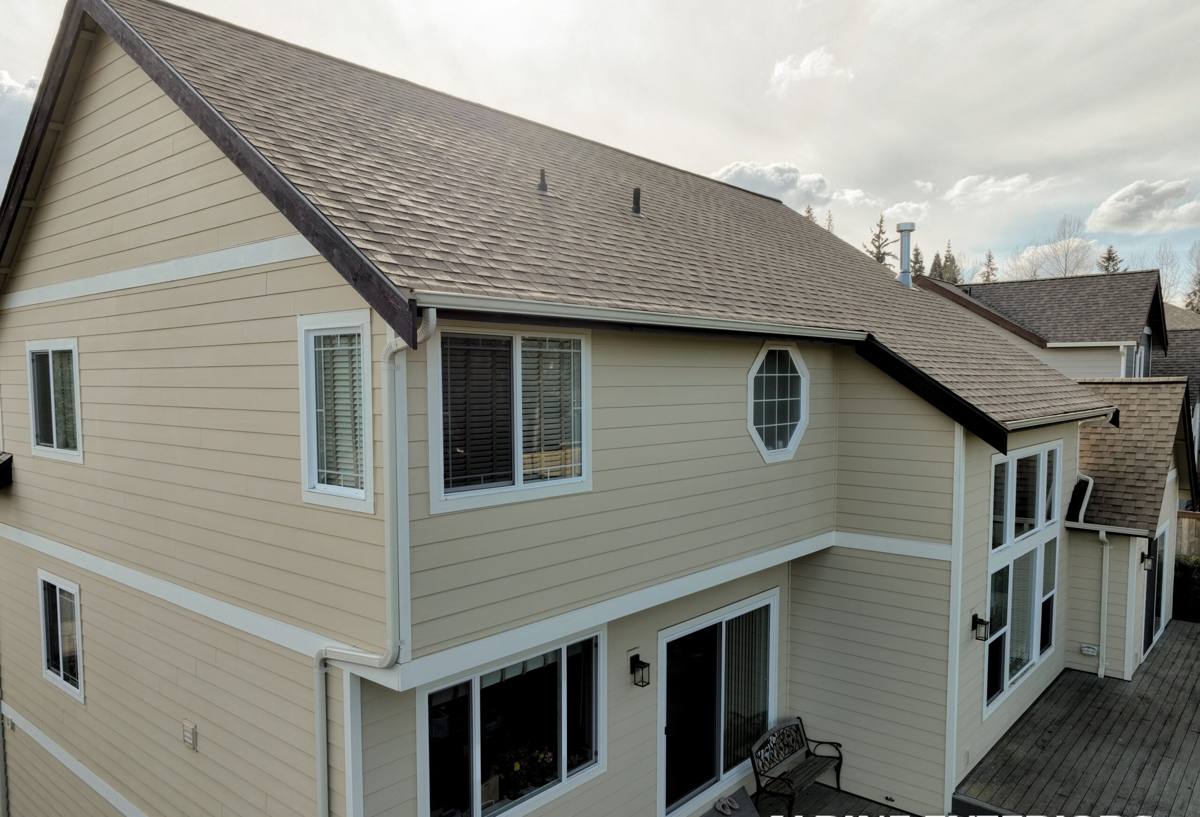
What a Correct Installation Actually Involves Here
Window installation on a barrier island isn't just measuring an opening and setting a new unit into it. Done right, it's a system of decisions that work together — the glass, the frame, the fasteners, and the flashing all have to match the exposure the window will face. Skip any one piece and the whole system underperforms, no matter how good the window itself is.
Impact-Rated or Properly Protected Glass
Homes near the water benefit from windows rated for wind-borne debris impact, or from a combination of standard glass and code-compliant shutter protection. Either approach can meet Florida Building Code requirements for this region — the point is that whichever path you choose, it has to be installed correctly, not just spec'd correctly on paper.
Flashing and Water Management
Wind-driven rain in a coastal storm doesn't fall straight down — it gets pushed sideways, into corners and seams that a normal rain event never reaches. Correct flashing detail around the window buck, not just a bead of caulk, is what keeps that water out of the wall cavity. This is one of the most common places we find shortcuts on installations we're asked to repair or replace.
Fasteners and Anchoring
Salt air corrodes ordinary fasteners faster than most homeowners expect, and a corroded fastener holding a window in place is a weak point nobody can see until it fails. The anchoring schedule — how many fasteners, what type, how deep into structural framing — also has to match the window's design pressure rating. An undersized fastener pattern can turn a properly rated window into a liability during high wind.
Impact-Rated Windows vs. Windows Plus Shutter Protection
Both are legitimate ways to meet code in this region, and we install both. The right choice depends on the home, the budget, and how much day-to-day convenience matters to the homeowner.
| Factor | Impact-Rated Windows | Standard Windows + Shutters |
|---|---|---|
| Upfront cost | Higher per opening | Lower window cost, added shutter cost |
| Storm prep effort | None — always protected | Shutters must be installed before each storm |
| Daily UV and noise performance | Better, from laminated glass | Depends on shutter type when not deployed |
| Appearance | No visible hardware | Shutter tracks and hardware visible |
| Long-term maintenance | Glass and frame only | Glass, frame, and shutter hardware |
We'll walk through both options honestly during an estimate rather than pushing whichever is more profitable for us. For a home that changes hands or gets rented out seasonally, the "always protected" nature of impact glass is often worth the extra upfront cost. For an owner-occupied home with someone available to put up shutters ahead of a storm, the math can go the other way.
Energy Performance and Comfort in a Sun-Exposed Home
Impact resistance isn't the only thing coastal sun asks of a window. Year-round UV exposure in this part of Florida means glass and frame quality also affect how much heat gets into the house and how fast interior finishes fade. Low-E coatings and properly specified glazing help cut down on solar heat gain without sacrificing natural light, which matters for a home that runs air conditioning most of the year. It's worth discussing glass package options at the same time as impact rating, since both are decided at the same point in the process — trying to add better glass performance later means replacing the window again.
Our Window Installation Process
- On-site assessment. We check existing openings for rot, water intrusion history, and structural condition before recommending anything.
- Product selection. We go over frame material, glass type, and protection strategy based on your home's exposure and budget.
- Permitting. We pull the required permit and confirm the product meets the design pressure requirements for your address.
- Removal and opening prep. Old units come out, and we inspect and repair the buck and surrounding framing before anything new goes in.
- Flashing and sealing. Proper flashing tape and sealant go in before the window is set, not just around it afterward.
- Installation and anchoring. Units are set plumb and level, fastened per the manufacturer's approved schedule for the rated design pressure.
- Interior and exterior finish. Trim, caulking, and paint-ready finish work close out the job.
- Final inspection. We coordinate the permit inspection and walk the finished job with you before calling it done.
Permits and Code Requirements for Madeira Beach Homeowners
Window replacement is permitted work here, not a weekend project you can skip paperwork on. Pinellas County and the local building department require a permit for window replacement, and the products installed need documentation showing they meet the wind-borne debris and design pressure requirements that apply to your specific location. This isn't bureaucracy for its own sake — it's the paper trail that protects you at resale, and more importantly, it's the reason the window actually performs the way it's rated to when a storm comes through. We handle the permit process as part of the job rather than treating it as an optional extra.
Signs Your Current Windows Are Already Failing
Coastal exposure doesn't always announce itself with a dramatic leak. Often it shows up as small, easy-to-ignore signs first.
- Fogging or condensation between panes of double-pane glass
- Frames that feel soft, chalky, or show corrosion around hardware and hinges
- Difficulty opening, closing, or locking a window that used to operate smoothly
- Visible daylight or a draft around the frame when the window is closed
- Staining, bubbling paint, or soft drywall on the interior wall below or beside a window
- Salt residue or pitting on frames and hardware that doesn't clean off
- A noticeably louder interior during storms or high wind compared to other rooms
Any one of these on its own is worth a look. Together, they usually mean the window and its surrounding flashing are past the point where caulk and patchwork will hold.
Frame Materials and Salt Air Exposure
Vinyl, aluminum, and fiberglass frames are all used in this area, and each holds up differently to salt air and UV. Vinyl performs well against corrosion but needs a quality formulation to resist UV brittleness over time. Aluminum is strong and slim-profile but needs a marine-grade finish to resist pitting this close to the Gulf. Fiberglass costs more upfront but generally resists both UV degradation and corrosion better than the alternatives over the long run. There isn't a single right answer for every home — it comes down to budget, how the home is oriented to salt spray, and how long you plan to own it. We'll give you a straight comparison for your specific situation rather than steering you toward one material across the board.
Why Local Experience in Madeira Beach Matters
A crew that mostly works inland jobs may not think twice about fastener corrosion resistance or flashing detail for wind-driven rain, because most of their jobs never test those details the way a beachfront property does. Working regularly in Madeira Beach and along the rest of the Pinellas County coastline means we see how installations actually hold up here over time — which shortcuts fail first, which upgrades are worth the extra cost, and which don't matter as much as their price tag suggests. That local track record is also what lets us give you a straight answer about what your specific home needs, instead of a one-size-fits-all recommendation built for a different climate.
If you're weighing window replacement for a Madeira Beach home, we're glad to take a look and give you a straight, no-pressure estimate — use the form below to get started.