 Seminole Siding
 Metal Roofing for Bardmoor Homes: Built for What Pinellas County Actually Throws at a Roof
Bardmoor sits inland enough to feel like a quiet, established Seminole neighborhood, but it's still well within reach of everything that makes Pinellas County roofing different from roofing almost anywhere else in the country. Gulf-driven storms, sustained high humidity, intense UV exposure nearly every day of the year, and a steady dose of salt-laden air all work on a roof at the same time. Asphalt shingles can be made to work here, but metal roofing is increasingly the choice for Bardmoor homeowners who want a roof that shrugs off wind, resists heat buildup, and doesn't need a mid-life replacement in fifteen or twenty years.
This page is specifically about metal roofing installed correctly for a Bardmoor property — not a generic overview of metal roofing everywhere. The details that matter here are regional: local wind uplift requirements, how a roof handles wind-driven rain intrusion, and how a metal system holds up to salt air over decades rather than years.
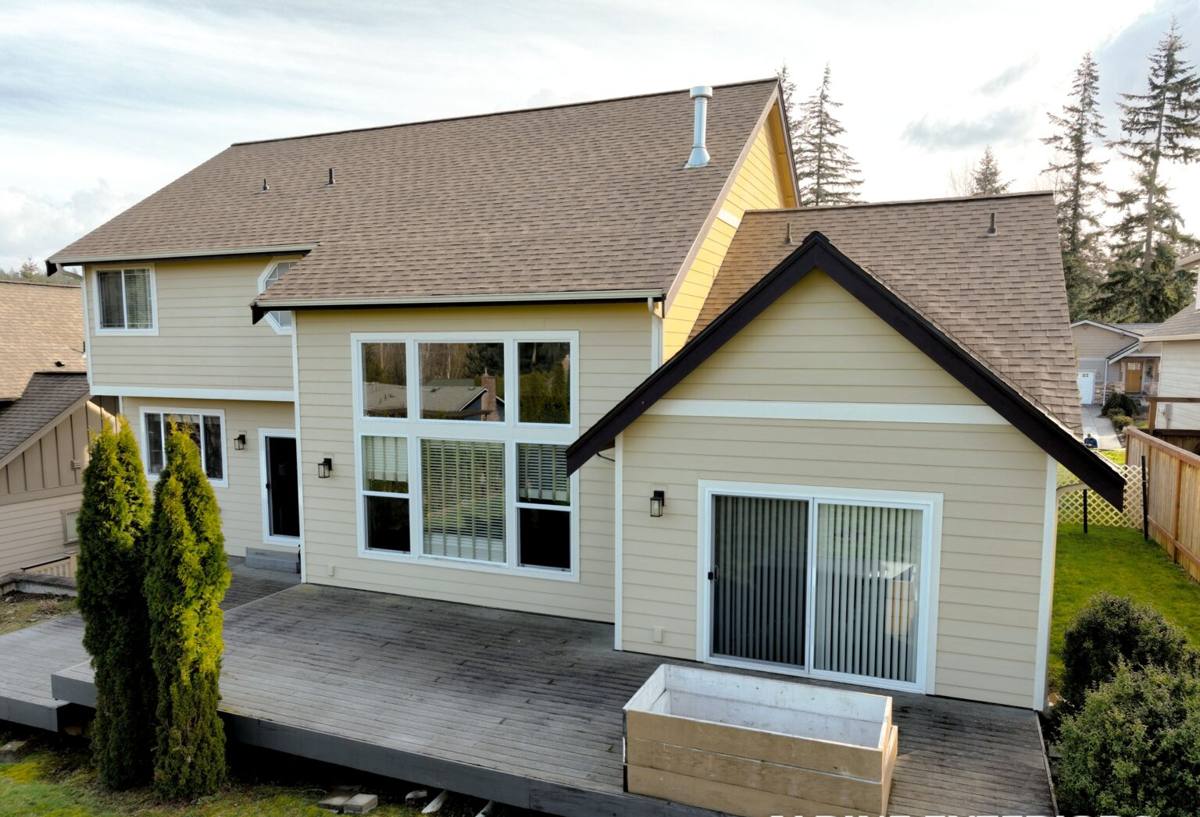
What Bardmoor's Climate Actually Demands From a Roof
Seminole and the surrounding Pinellas County area sit on a peninsula, which means every roof here deals with a combination of stresses that inland homes never see. It's worth naming them specifically, because each one shapes a different part of how a metal roof should be designed and installed.
Hurricane-Force Wind
Wind doesn't just push down on a roof — it creates uplift at the edges, corners, and ridge, which is exactly where roofs fail first. A metal roofing system has to be engineered and fastened for uplift resistance, not just rated for it on paper.
Wind-Driven Rain
During a tropical system, rain doesn't fall straight down — it drives sideways and can work its way under panels, around penetrations, and through fastener holes if the underlayment and flashing details aren't right. Most metal roof leaks in this area trace back to flashing and penetration details, not the panels themselves.
Year-Round UV Exposure
Florida sun is relentless on roofing materials. Coatings and finishes that aren't rated for this level of UV exposure chalk, fade, and degrade faster than the manufacturer's warranty numbers suggest.
Salt Air
Even set back from the immediate coastline, Seminole homes get salt-laden air carried inland on Gulf breezes. Over time, salt accelerates corrosion on fasteners, flashing, and any metal component that isn't rated or coated for a coastal-influenced environment.
None of these factors is unique to Bardmoor by itself — but the combination, sustained twelve months a year, is what separates a roof that lasts thirty-plus years from one that needs attention every few years.
Metal Roofing Panel Types and Which Fit Bardmoor Homes
"Metal roofing" covers several different systems, and the right choice depends on the home's roof pitch, architectural style, and budget. Here's how the common options compare for a residential application in this climate.
| Panel Type | Fastener Style | Typical Best Use | Coastal Durability |
|---|---|---|---|
| Standing seam | Concealed clips, no exposed fasteners on the field | Most home styles, especially where long-term low maintenance matters | Excellent — no exposed fastener heads to corrode or back out |
| Exposed-fastener panels (e.g., corrugated or R-panel) | Screws driven through the panel face | Budget-conscious projects, outbuildings, some ranch-style homes | Good, but fastener gaskets and screw heads need periodic inspection |
| Metal shingles / stone-coated steel | Concealed or interlocking, shingle-profile panels | Homes where a traditional shingle look is wanted with metal performance | Very good — profile sheds wind-driven rain well |
For most Bardmoor homes, standing seam is the system we recommend first: no exposed fasteners means fewer long-term maintenance points and a cleaner path for wind and water to move off the roof instead of finding a way in.
What a Correct Metal Roof Installation Actually Involves
Metal roofing rewards a correct installation and punishes a rushed one. The panels themselves are only part of the system — the layers underneath and the details around penetrations do most of the work of keeping a home dry through a storm.
Deck Inspection and Prep
Before anything goes down, the existing roof deck gets inspected for rot, delamination, or soft spots — especially important on older Bardmoor homes where decades of Florida humidity may have taken a toll on the sheathing. Any compromised deck material gets replaced before underlayment goes on, not after.
Underlayment
A high-temperature, self-adhering underlayment is standard under a metal roof in this climate, particularly at eaves, valleys, and around penetrations where wind-driven rain is most likely to intrude. This layer is the backup system if wind ever drives water past the panel seams.
Fastening and Clip Spacing
Wind uplift resistance comes largely from correct clip or fastener spacing, matched to the local wind design pressures for the home's height, exposure category, and roof geometry — not a one-size-fits-all spacing pulled from a generic spec sheet.
Flashing at Penetrations and Transitions
Every pipe boot, chimney, wall transition, and valley is a place where two different materials meet, and that's where leaks start if flashing isn't formed and layered correctly. This is the single most common source of callback leaks on any roof, metal or otherwise.
Ventilation
Metal roofs reflect more solar heat than asphalt, but the attic still needs proper intake and exhaust ventilation to manage humidity and prevent moisture buildup — an easy detail to overlook when the focus is on the roof surface itself.
Wind Ratings, Codes, and Permits in Pinellas County
Florida Building Code sets minimum wind uplift and wind-borne debris requirements based on a home's location, and coastal Pinellas County properties are held to meaningful standards even outside the state's highest-velocity hurricane zones. Practically, that means:
- Metal panels and fastening systems must carry a wind uplift rating appropriate to the home's specific exposure and height — not just a generic "hurricane-rated" label
- A permit is required through the applicable local building department before installation begins
- Inspections are part of the process at defined stages, not just a final walk-through
- Manufacturer installation instructions are part of the code compliance path, so deviating from them can create both a code issue and a warranty issue
Skipping or shortcutting any of this doesn't just risk a failed inspection — it risks a roof that looks finished but isn't actually built to hold up in the wind event it was supposed to be rated for.
Our Installation Process for Bardmoor Homes
We walk every Bardmoor project through the same sequence, adjusted for the specific home's pitch, age, and roof geometry:
- On-site inspection and measurement, including a look at the existing deck and ventilation setup
- Written estimate covering panel type, underlayment system, flashing scope, and timeline
- Permit filing with the applicable Pinellas County or City of Seminole building department
- Deck repair or replacement where needed, before any underlayment goes down
- Underlayment and flashing installation at all valleys, penetrations, and transitions
- Panel installation with fastening or clip spacing matched to the home's wind design requirements
- Final walkthrough and inspection sign-off with the homeowner
Every step is documented so the homeowner has a record of what went into the roof — not just what it looks like from the ground.
Metal Roofing vs. Asphalt Shingles: What Actually Drives the Cost Difference
Metal costs more upfront than asphalt shingles, and it's worth understanding exactly where that difference comes from rather than treating it as a flat markup.
| Cost Factor | Asphalt Shingles | Metal Roofing |
|---|---|---|
| Material cost per square | Lower | Higher |
| Typical service life in this climate | Shorter, especially with UV and storm exposure | Longer — often multiple decades with proper installation |
| Wind performance | Depends heavily on shingle rating and nailing pattern | Generally stronger uplift resistance when correctly fastened |
| Heat reflectance | Lower — absorbs more solar heat | Higher, which can modestly reduce attic heat load |
| Maintenance over time | Granule loss, algae staining, periodic repairs | Occasional fastener or sealant check-ups, especially on exposed-fastener systems |
The honest way to think about it: asphalt has a lower entry price, but metal spreads its higher upfront cost over a much longer roof life, which often changes the real cost-per-year comparison more than the sticker price suggests.
Maintenance and Longevity in a Coastal-Influenced Environment
A metal roof is genuinely low-maintenance compared to shingles, but "low-maintenance" isn't "no-maintenance," especially with salt air in the mix. A simple annual check covers most of what matters:
- Visual inspection of exposed fasteners for backing-out or wear, if the roof uses an exposed-fastener panel system
- Clearing debris from valleys and around penetrations so water has a clear path off the roof
- Checking sealant at penetrations and flashing transitions for cracking or shrinkage
- Confirming gutters and downspouts are clear so water isn't backing up against roof edges
- A quick look after any major storm for lifted panels, dented flashing, or debris impact
None of this requires a specialist visit every year, but it does mean a metal roof isn't a "install it and forget it forever" product — a little attention keeps a 30-to-50-year system performing like one.
Why Hiring a Crew That Already Works Bardmoor Matters
Metal roofing done wrong doesn't usually fail on day one — it fails the first time a real Gulf storm tests the flashing details, fastener spacing, or underlayment that nobody can see once the panels are down. That's exactly why the installation details matter more than the panel brand, and why local, hands-on experience in Seminole and greater Pinellas County matters more than a generic national install crew rotating through unfamiliar territory. Knowing the wind exposure realities of this specific coastal corridor, the permitting expectations of the local building department, and the coastal degradation patterns that show up on Pinellas County roofs is not something that transfers from a job in a different climate zone.
If you're weighing a metal roof for a Bardmoor home — whether it's a full replacement or you're planning ahead for one — we're happy to walk the roof, answer questions honestly, and put together a straightforward, no-pressure estimate using the form below.