 Seminole Siding
 Why Belleair Bluffs Homes Put Different Demands on a Roof
Belleair Bluffs sits on one of the higher points along the Pinellas County coastline, which sounds like an advantage until you think about what "higher" means during a windstorm — more direct exposure, less tree buffer in some pockets, and a straight shot for salt-laden air coming off the water. Add in Florida's year-round UV load and the wind-driven rain that comes with almost every serious storm, and you've got a roofing environment that punishes shortcuts faster than most parts of the country.
A lot of the housing stock in and around Belleair Bluffs mixes older homes with newer renovations, which means roofs in this area are at very different stages of life. Some still have original asphalt systems well past their useful window; others have already been upgraded and just need proper maintenance. Metal roofing gets asked for a lot here because, done correctly, it holds up to all four stressors — wind, UV, rain intrusion, and salt corrosion — better than most alternatives. The key phrase is "done correctly." A metal roof installed with the wrong fasteners, the wrong underlayment, or sloppy flashing will fail in this climate just like anything else, only more expensively.
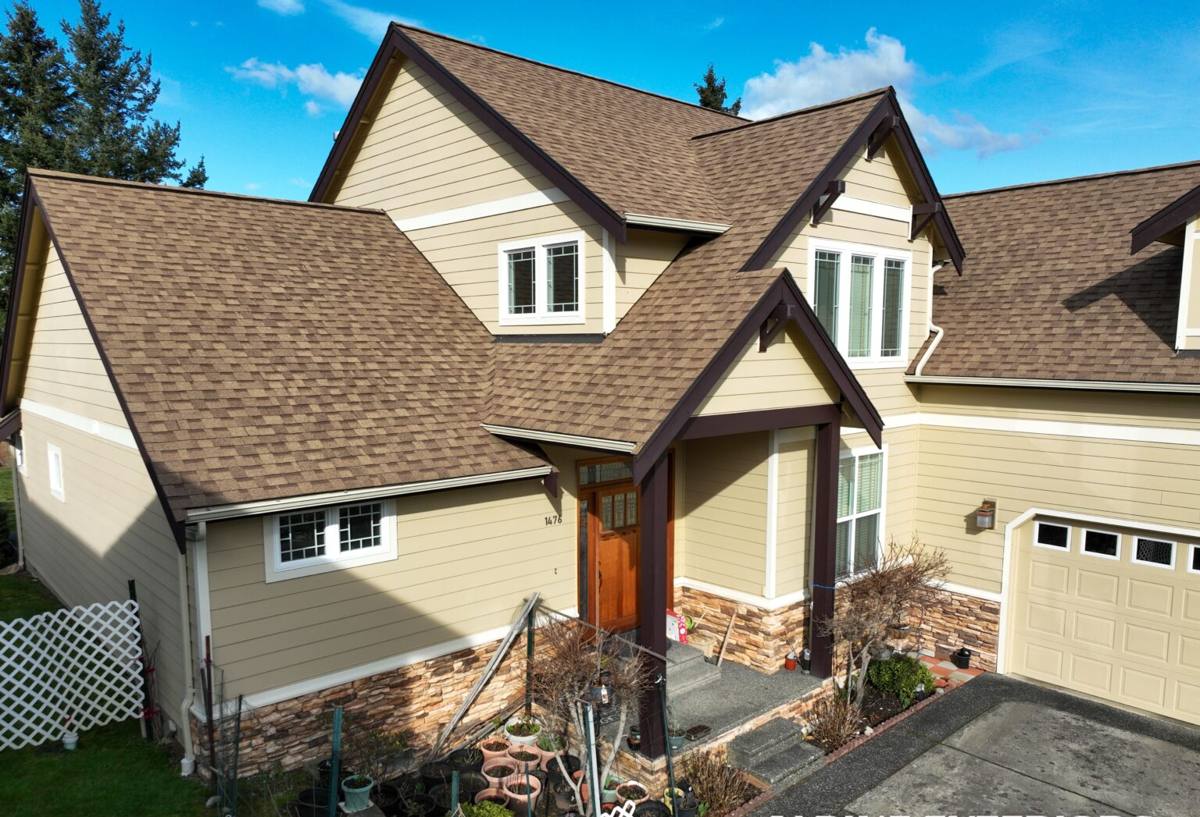
What a Correct Metal Roof Installation Actually Involves
Metal roofing is unforgiving of shortcuts in a way shingles sometimes forgive. The panels themselves are only one part of the system. What actually determines how a metal roof performs on a coastal Pinellas County home is everything underneath and around them:
- Deck condition — any soft, delaminated, or water-damaged sheathing gets replaced before a single panel goes down. Fastening metal to a compromised deck is how you get loose panels in a windstorm.
- Underlayment — a high-temperature synthetic or self-adhered underlayment is standard under metal in Florida, both for the UV and heat exposure and as a secondary water barrier if wind-driven rain ever gets past the panel seams.
- Fastener selection — corrosion-resistant fasteners rated for coastal exposure, matched to avoid galvanic reaction with the panel material. Mismatched metals corrode each other over time, and it's one of the most common causes of premature failure we see.
- Flashing and penetrations — every pipe boot, vent, valley, and wall transition is a potential leak point. Correct metal roofing detail work seals these mechanically and with compatible sealants rated for sun and salt exposure, not just caulk.
- Panel attachment and spacing — fastener spacing and clip systems are engineered to the local wind uplift requirements, not a generic national default.
Skipping any one of these doesn't show up on day one. It shows up two or three years later as a leak, a lifted panel, or rust streaking down a wall — usually right after a bad storm, which is exactly when you don't want to discover it.
Overlay vs. Tear-Off
Metal roofing can sometimes go over an existing shingle roof with the right underlayment and furring strip system, but on most Belleair Bluffs homes we recommend a full tear-off to the deck. It lets us actually inspect and repair the substrate, and it avoids trapping moisture between two roofing layers — a real risk in Florida's humidity even before you factor in coastal rain.
Panel Types: What Fits This Climate
Not every metal panel profile performs the same way in wind and salt exposure. Here's how the common options compare for a Belleair Bluffs home:
| Panel Type | Wind Performance | Coastal Corrosion Resistance | Best Fit |
|---|---|---|---|
| Standing seam (concealed fastener) | Excellent — no exposed fasteners to work loose or leak over time | Very good with proper coating and gauge | Homes prioritizing longevity and minimal maintenance |
| Exposed-fastener panels | Good, but fasteners are the weak point and need periodic re-torquing | Fair — fastener gaskets degrade faster in salt air and UV | Budget-conscious projects, outbuildings, garages |
| Stone-coated steel | Very good, engineered similarly to standing seam attachment | Good — coating protects the substrate if intact | Homeowners wanting a shingle or tile appearance with metal's wind performance |
We're upfront about trade-offs rather than steering everyone to the most expensive option. Exposed-fastener panels aren't a bad product — they're just a different maintenance commitment, and we tell homeowners that plainly before they buy.
Wind, Code, and Insurance in Pinellas County
Pinellas County building codes reflect its wind zone designation, and any metal roofing system installed here needs a valid Florida product approval or Miami-Dade Notice of Acceptance rated for the applicable wind speed — not a generic national listing. Belleair Bluffs falls under the same regional wind exposure considerations as the rest of the barrier and near-coastal Pinellas communities, and permitting reflects that.
This matters beyond code compliance. Insurers increasingly ask for documentation of wind rating, fastening pattern, and installation method when underwriting or renewing coverage on Florida homes, and some offer premium credits for qualifying metal roofs. A correctly documented installation can help at renewal time; an undocumented or improperly rated one can create problems during a claim. We pull permits and provide the paperwork homeowners need for both.
Salt Air and Long-Term Corrosion Control
Salt air doesn't need to be right on the beach to matter — it travels, and Belleair Bluffs' elevation and proximity to the Intracoastal put homes here in regular contact with it. Corrosion on a metal roof usually starts in one of three places:
- Cut edges where the protective coating has been exposed — proper installation minimizes field cutting and treats any cut edges.
- Fastener heads and washers, especially where a mismatched metal was used.
- Areas where debris or standing moisture sits against the panel instead of shedding off cleanly.
Choosing a coating rated for coastal exposure and matching all hardware to the panel material aren't upsells — they're the baseline for a metal roof that's actually going to hold up here rather than one that just looks right on installation day.
Our Process
- Inspection and assessment — we evaluate the existing roof, deck condition, ventilation, and any current leak history before recommending a system.
- Honest scope and options — we walk through panel type, coating, and budget trade-offs specific to your home, not a one-size pitch.
- Permitting — pulled and handled through Pinellas County / local jurisdiction before work starts.
- Tear-off and deck repair — old roofing removed, deck inspected, any damaged sheathing replaced.
- Underlayment and flashing — installed to current wind and moisture standards, not just "what was there before."
- Panel installation — attached per the engineered fastening pattern for the wind rating on the permit.
- Final inspection and cleanup — magnetic sweep for debris, final walkthrough, and documentation handed over for your records and insurer.
Maintenance: What Keeps a Metal Roof Performing
Metal roofs are lower-maintenance than shingles, not maintenance-free — especially in a salt-air environment. A simple annual routine catches most issues before they become expensive:
- Visual check of fasteners and flashing after major storms, not just annually
- Clear debris from valleys and around penetrations so water sheds properly
- Rinse accumulated salt residue off panels periodically, especially on homes with more direct exposure
- Watch for any early rust spotting at cut edges or fastener heads and address it before it spreads
- Confirm sealant at penetrations hasn't degraded from UV exposure over the years
Cost Factors
Every metal roof quote should reflect the specific home, not a flat per-square number pulled from a national average. The main variables:
| Factor | How It Affects Cost |
|---|---|
| Panel type and gauge | Standing seam with heavier gauge steel costs more upfront than exposed-fastener panels |
| Roof complexity | Valleys, dormers, and multiple planes increase labor and flashing work |
| Deck condition | Rot or delamination discovered during tear-off adds repair cost, but skipping it isn't an option |
| Coating and warranty tier | Higher-grade coastal coatings cost more but extend service life in salt air |
| Existing roof removal | Full tear-off vs. overlay affects both cost and long-term performance |
We'd rather walk a homeowner through these variables honestly than quote a number that doesn't hold up once we're actually on the roof.
Why a Crew That Already Works Belleair Bluffs Matters
A metal roof installed to a generic national spec isn't the same as one installed to what Pinellas County's wind zone and permitting office actually require. Crews who regularly work Belleair Bluffs and the surrounding Seminole area already know the local permitting process, the wind uplift documentation insurers ask for, and how coastal salt exposure shows up differently than it does even a few miles inland. That familiarity shows up in fewer surprises — during installation, during permit review, and years later when the roof is still doing its job through another storm season.
If you're weighing a metal roof for a home in Belleair Bluffs, we're glad to walk the roof with you, explain what your specific home needs, and put together a straightforward, no-pressure estimate — just fill out the form below.