 Seminole Siding
 New-Construction Windows for the Clearwater Area
When a home in the Clearwater area is being built, added onto, or gutted to the studs, the windows that go in are a different animal from the replacement windows most homeowners are familiar with. New-construction windows have a nailing fin around the perimeter of the frame that gets fastened directly to the wall sheathing before siding or stucco goes on, and the whole assembly gets integrated into the house's water-resistive barrier and flashing system from the ground up. Done correctly, this is the strongest, most weathertight way to put a window into a wall. Done poorly, it's one of the more common sources of long-term water intrusion we see in Pinellas County homes.
We install new-construction windows for builders, remodelers, and homeowners doing additions or full-frame replacements in and around Clearwater and Seminole. This page covers what that job actually involves, what our local climate demands from the window and the installation, and how to tell a correct install from a shortcut.
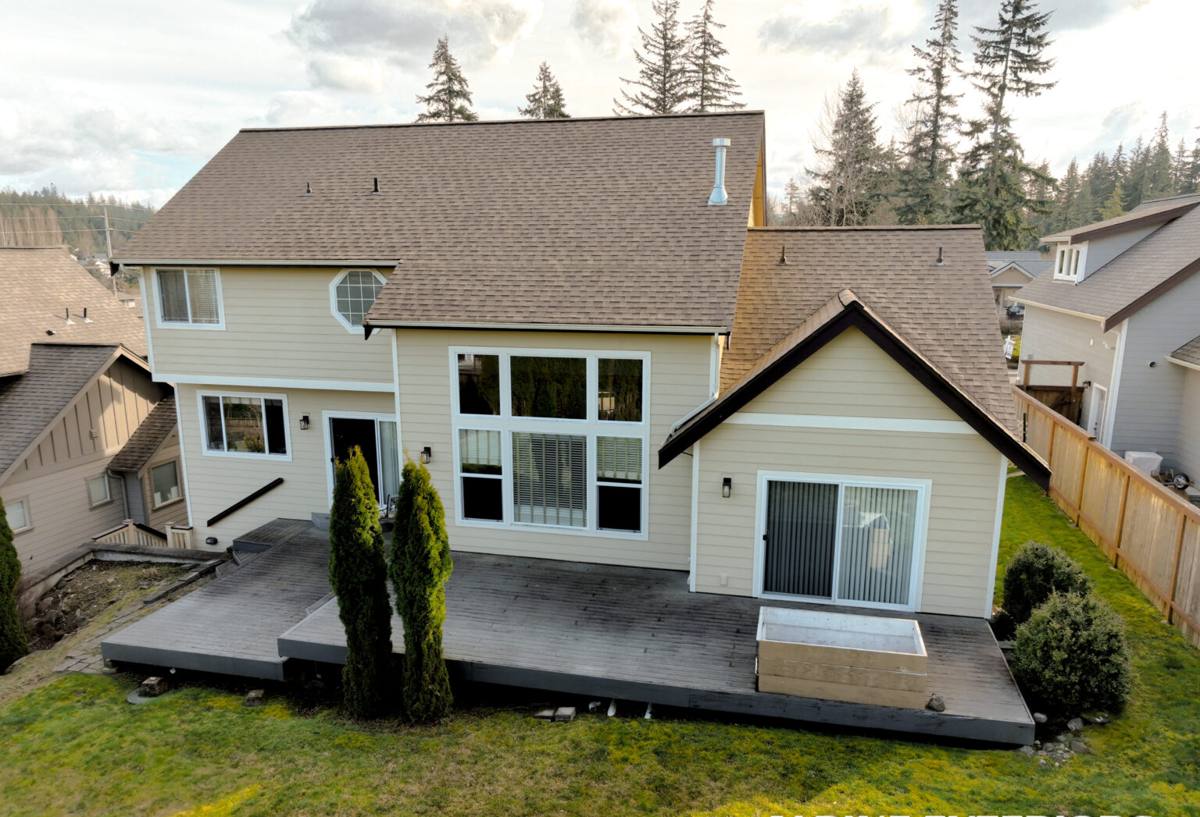
Why New-Construction Windows Are a Different Job Than Replacement
Replacement (or "retrofit" / "pocket") windows are designed to slide into an existing, intact window frame with minimal disruption to the surrounding wall and siding. New-construction windows are the opposite: the frame gets fastened directly to structural framing, and the surrounding wall assembly — sheathing, house wrap, flashing tape, and eventually siding or stucco — is built around it. That means new-construction windows are used when:
- A home is being newly built or an addition is being framed
- An existing window opening is being resized or the old frame removed down to the rough opening
- Siding is being fully removed and replaced, giving access to the sheathing and framing
- A homeowner wants the strongest possible seal and structural attachment rather than working within an existing frame
The tradeoff is invasiveness — this method touches the siding and wall assembly around the opening, so it's not the right call for a simple window swap on an otherwise intact wall. But for new builds, additions, and gut renovations in this area, it's the right way to do it, and it's the only method that lets us build hurricane-region flashing details in correctly from the start rather than working around what's already there.
What Clearwater's Climate Actually Demands From a Window
Pinellas County sits in a coastal, hurricane-exposed part of Florida, and a window installed here has to hold up to conditions that inland or northern climates simply don't test for.
Wind Load and Windborne Debris
Florida Building Code requires windows in this region to meet wind load and, depending on the specific site and design pressure, windborne-debris impact requirements. That's not a formality — it's the difference between a window that stays intact and sealed through a tropical storm or hurricane and one that fails at the frame or glass under pressure and wind-driven rain.
Wind-Driven Rain
Even short of a named storm, this area gets frequent heavy rain pushed sideways by wind. A window's resistance to water infiltration is rated separately from its structural strength, and the flashing and sealant details around the frame matter as much as the window unit itself. A great window with a poorly flashed rough opening will still leak.
Year-Round UV Exposure
Florida's UV intensity is high nearly every month of the year, not just in summer. Vinyl frames, weatherstripping, and sealants degrade faster here than in milder climates if they aren't rated for it. We pay attention to frame material and glass coatings specifically because of this.
Salt Air
Clearwater's proximity to the Gulf means salt-laden air travels further inland than people expect, accelerating corrosion on hardware, fasteners, and certain frame finishes. Fastener and hardware selection isn't cosmetic here — it affects how long the window operates smoothly before hinges, locks, or cranks start to corrode or seize.
Permitting and Code Requirements Homeowners Should Know
New-construction window installation in Pinellas County requires a permit and inspection, and the windows themselves need a Florida Product Approval (or Miami-Dade NOA in some cases) matching the required design pressure for the home's location and height. A few things worth knowing before you start:
- The required design pressure rating depends on the home's exposure, height, and location — it's not the same number for every house on the same street
- Impact-rated glass and non-impact windows with code-approved shutters are both valid compliance paths — they're not interchangeable in cost or convenience, and we'll walk through both
- Inspections typically happen at rough-in (before siding closes up the opening) and at final — this is another reason correct flashing has to be done right the first time
- Product labels and approval documentation need to stay with the permit file; keep the paperwork the contractor gives you
Anatomy of a Correct New-Construction Window Installation
The window unit itself is only part of what determines whether an installation performs. The sequence and detailing around it matter just as much, especially in a wind-driven-rain climate.
1. Rough Opening Preparation
The opening is checked for square, level, and correct size relative to the window's rated dimensions. A sill pan flashing is installed at the bottom of the opening to catch and direct out any water that gets past the window over time — this is one of the most commonly skipped steps on lower-quality jobs, and it's one of the most important.
2. Flashing Integration
Flashing tape or membrane is integrated with the house wrap or building paper in a shingle-lap sequence — sill first, then jambs, then head — so water is always directed outward and downward, never behind the next layer. The head flashing detail is critical for keeping wind-driven rain from tracking up and behind the window into the wall cavity.
3. Setting the Window
The window is set into the opening, shimmed level and plumb, and fastened through the nailing fin per the manufacturer's installation instructions and the window's product approval — fastener spacing and type are specified for a reason and tied to the wind rating.
4. Sealing and Insulating
Low-expansion foam or backer rod and sealant fills the gap between the frame and rough opening for insulation and air sealing, without over-filling in a way that can bow the frame.
5. Exterior Trim and Siding Tie-In
Exterior trim, house wrap tape, and siding are brought back over the flashing correctly so the whole assembly sheds water as one system, not a window sitting in a hole with caulk around the edges.
Frame Materials for Coastal Florida: A Comparison
There isn't one universally "best" frame material — the right choice depends on budget, the home's style, and how much upkeep the owner wants to do. Here's an honest comparison for our climate:
| Frame Material | Salt Air / UV Performance | Maintenance | Typical Fit |
|---|---|---|---|
| Vinyl (impact-rated) | Good when UV-stabilized; won't corrode | Low — no painting, occasional cleaning | Most common choice for value and durability |
| Aluminum | Strong structurally; needs a good finish to resist salt corrosion over time | Low to moderate depending on finish | Larger openings, modern/coastal architecture |
| Fiberglass | Very stable in heat and UV; resists corrosion well | Low | Higher-end builds, larger temperature swings |
| Wood / wood-clad | Attractive but vulnerable to moisture and salt without diligent upkeep | High — regular sealing/painting required | Historic or specific architectural styles where owners accept the upkeep |
We'll talk through these tradeoffs honestly based on your specific project rather than pushing one material for every home — a beach-adjacent property and an inland Seminole lot don't always call for the same frame.
What Drives Cost on a New-Construction Window Job
| Factor | Why It Matters |
|---|---|
| Impact rating vs. shutters + non-impact glass | Impact glass costs more per unit but eliminates the need to install/remove shutters before every storm |
| Window size and count | Larger openings and more units mean more material, labor, and structural consideration |
| Frame material | Vinyl, aluminum, fiberglass, and wood carry different material costs |
| Access and story height | Second-story or hard-to-access openings take more time and equipment |
| Condition of the rough opening | Framing repairs or resizing an opening add labor beyond a standard set |
| New build vs. renovation | New construction is generally more straightforward than tying new flashing into existing siding and wall assemblies |
We give a firm number after seeing the actual openings and specs — not a phone estimate — because these variables move the price too much to guess accurately.
How Our Process Works
- On-site walkthrough — we assess the openings, discuss design pressure requirements for your specific property, and talk through frame and glass options
- Written estimate — clear pricing broken out by window, with product approval documentation specified up front
- Permitting — we handle the permit application and coordinate required inspections with Pinellas County or the applicable local jurisdiction
- Installation — rough opening prep, flashing, setting, sealing, and trim, following manufacturer instructions and code
- Inspection and walkthrough — final inspection sign-off, then a walkthrough with you covering operation and any care recommendations
Why Local Installation Experience Matters Here
Flashing details, fastening schedules, and product approvals that work for a house in a low-wind inland region aren't automatically right for a home near the Gulf in a wind-borne debris zone. A crew that regularly works in Seminole and greater Clearwater already knows the wind exposure categories in play locally, has a working relationship with Pinellas County permitting, and has seen firsthand what salt air and storm exposure do to installations over years, not just at handoff. That experience shows up in details a homeowner can't easily inspect themselves — sill pan flashing, head flashing laps, fastener corrosion resistance — which is exactly why it matters who installs the window, not just which window brand you pick.
A Homeowner's Pre-Install Checklist
- Confirm the contractor is pulling a permit and the windows carry Florida Product Approval matching your required design pressure
- Ask specifically whether sill pan flashing is included in the installation — it should be
- Get frame material and glass package specified in writing, not just "impact windows"
- Clarify whether the quote includes exterior trim and tying flashing back into the siding or stucco
- Ask what happens if wood rot or framing damage is discovered once the old window or opening is exposed
- Confirm what warranty coverage applies to the window itself versus the installation labor
Get an Estimate for Your Clearwater-Area Project
Whether you're building new, adding on, or replacing windows down to the studs, we're happy to walk the site, talk through what your home's exposure and wind requirements actually call for, and give you a straight, written estimate — no pressure, no upsell script. Use the form below to request a free on-site estimate.