 Seminole Siding
 New-Construction Windows for Madeira Beach Homes
Madeira Beach sits on a barrier island, which means every window opening in a new build or major addition out there is fighting salt air, direct sun, and wind off open water on a daily basis. When we install new-construction windows for a home in Madeira Beach, we're not just setting glass in a hole in the wall — we're building a weatherproofing system into the rough opening before drywall or siding ever goes up. Get that system wrong and the homeowner won't see it for a year or two, until stains, soft drywall, or a stuck sash show up. Get it right and the window works quietly for decades.
This page covers what new-construction window installation actually involves, what Pinellas County's coastal conditions demand from the work, and how we handle it when we're framing openings or setting windows on a new build, addition, or full reframe near Madeira Beach.
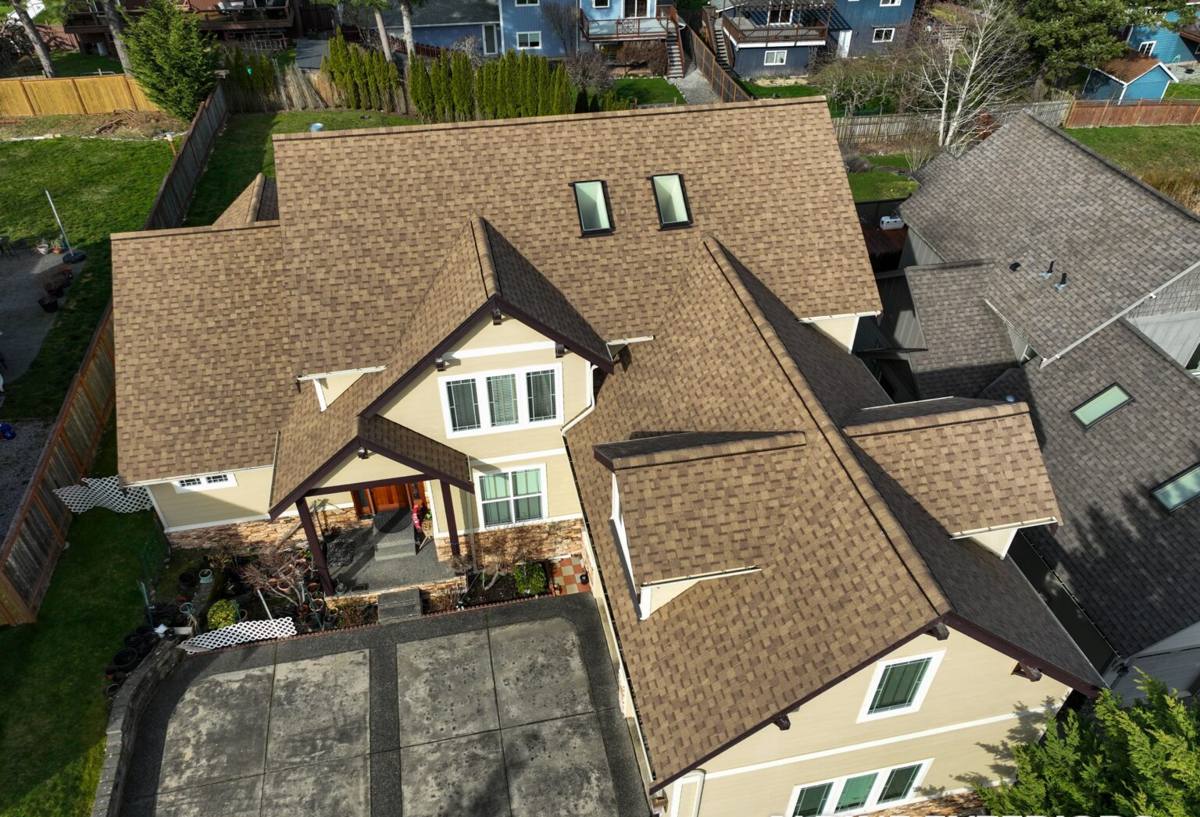
New-Construction vs. Replacement: Why the Difference Matters
"New-construction" isn't a style of window — it's an installation method. A new-construction window has a nailing flange (fin) around the perimeter that gets fastened directly to the framing and integrated with the house wrap or flashing before exterior finishes go on. A replacement (or "pocket") window, by contrast, is designed to slide into an existing frame with the old window removed, leaving the exterior trim and siding largely undisturbed.
For Madeira Beach, this distinction matters because a nailing-fin install lets us build a proper flashing sequence from the studs out — sill pan, side flashing, head flashing, all lapped correctly with the water-resistive barrier. That layered approach is what actually keeps wind-driven rain out during a coastal storm. A pocket window, done later as a retrofit, can never fully replicate that because the original rough opening and flashing are already buried behind finished walls.
| Factor | New-Construction Install | Replacement/Pocket Install |
|---|---|---|
| When it applies | New builds, additions, full reframes | Existing home, opening size unchanged |
| Flashing access | Full access to studs, sheathing, WRB | Limited to existing frame condition |
| Exterior disruption | Siding/trim removed and reinstalled around window | Minimal exterior disturbance |
| Best for coastal wind-driven rain | Strongest option — full flashing system | Only as good as the original opening |
| Typical use in Madeira Beach | New construction, elevated rebuilds, additions | Simple swaps on sound existing openings |
What Pinellas County's Climate Demands From These Windows
Wind and Windborne Debris
Pinellas County falls within Florida's windborne debris region under the Florida Building Code, and Madeira Beach's exposure — open water on multiple sides — puts it toward the higher end of local wind pressure zones. New-construction windows here need to carry a design pressure rating appropriate to the site's wind zone and exposure category, and openings generally need to be either impact-rated or protected with code-compliant shutters. We size and spec every window to the actual pressures the specific opening will see, not a one-size-fits-all number.
Salt Air and Corrosion
Salt-laden air off the Gulf accelerates corrosion on hardware, screws, and any metal components that aren't rated for coastal exposure. Standard fasteners and hardware that hold up fine ten miles inland can start showing rust and pitting within a couple of years on a barrier island. We use corrosion-resistant fasteners and hardware suited to coastal exposure on every install out this way — it costs a little more up front and saves a callback later.
UV Exposure
Florida's near year-round sun degrades vinyl, weakens sealants, and fades finishes faster than in most of the country. Frame material and glass coating both matter here — a window that isn't rated for sustained UV exposure can chalk, warp, or see its seals fail well before the glass itself would ever need replacing.
Wind-Driven Rain
Wind doesn't just push against a window — during a tropical system it drives rain sideways and upward into gaps that would never leak in a normal storm. This is the single biggest reason flashing detail matters more than the window brand. A great window with sloppy flashing will leak; a mid-grade window with correct flashing usually won't.
Flood Zone and Elevation Considerations
Because Madeira Beach is a barrier island, a fair number of homes there are in mapped flood zones, and new construction or major rebuilds are often elevated or built to updated base flood elevation requirements. That can change sill heights, window placement relative to grade, and sometimes the products used on lower-level or "breakaway" wall sections. If your project involves elevation changes, we coordinate window placement with your builder or architect's plans rather than guessing — this is one area where local permitting familiarity saves real time.
What a Correct New-Construction Install Actually Involves
A lot of the work that determines whether a window performs for 20+ years happens before the window itself ever arrives on site.
Rough Opening Prep
The opening has to be square, plumb, and sized correctly to the window's manufacturer specs — not "close enough." An out-of-square opening stresses the frame, makes hardware bind, and creates uneven gaps that are hard to seal properly.
Sill Pan Flashing
A sloped, sealed sill pan under the window directs any water that does get past the exterior seal back outside instead of into the wall cavity. This is one of the most commonly skipped steps on rushed jobs, and it's one of the most important on a coastal build.
Integration With the Water-Resistive Barrier
Side and head flashing has to be lapped correctly with the house wrap — water managed shingle-style, top piece over bottom piece, all the way down — so any moisture that reaches the wall sheds outward and downward rather than working its way behind the barrier.
Fastening and Sealing
Nailing fins get fastened per the manufacturer's schedule, and the perimeter gets sealed with a compatible sealant rated for exterior, coastal exposure. Mismatched or incompatible sealants and tapes can fail years before they should.
Interior Insulation and Air Sealing
The gap between the window frame and the rough framing gets insulated and air-sealed — not stuffed with excess fiberglass, which can hold moisture, but filled appropriately so the window isn't a thermal or air leak point.
Choosing a Frame Material for a Coastal Barrier Island Home
| Frame Material | Coastal Pros | Coastal Trade-offs |
|---|---|---|
| Vinyl | No corrosion, good value, decent insulation | Can expand/contract with heat; quality varies widely by manufacturer |
| Aluminum | Strong, slim sightlines, common in impact-rated units | Conducts heat/cold; needs a marine-grade or coastal finish to resist corrosion |
| Fiberglass | Very stable in heat, low expansion, durable | Higher upfront cost |
| Wood/Wood-clad | Traditional appearance | High maintenance burden in salt air and humidity — generally not our recommendation for direct coastal exposure |
We'll walk through the honest trade-offs for your specific project rather than pushing one material for every home. The right call often depends on your home's exposure, your maintenance appetite, and your budget — not just what looks best in a showroom.
Glass and Impact Ratings
Impact-rated windows use laminated glass with an interlayer that holds the glass together if it's struck, keeping the opening protected even if the outer pane cracks. For a Madeira Beach new build, impact glass is often the simplest way to satisfy the windborne debris requirement without adding shutters to every opening — one less thing to deploy before a storm. We can also discuss low-E coatings to help manage solar heat gain, which matters given how much direct sun a barrier island home gets across the day.
Our Process
- Plan review: We look at your builder or architect's window schedule, elevation requirements, and wind pressure zone for the specific site.
- Product selection: We spec frame material, glass package, and impact rating to match code requirements and your priorities.
- Rough opening prep: Openings are checked for square, plumb, and correct sizing before any window goes in.
- Flashing and sill pan installation: Sloped sill pans and shingle-lapped side/head flashing, integrated with the WRB.
- Window set and fastening: Fastened to manufacturer spec, shimmed and squared, checked for smooth operation.
- Sealing and insulation: Compatible sealant on the exterior, appropriate insulation and air sealing on the interior.
- Final check: Every window is operated, inspected, and checked against the plan before we call it done.
Quick Checklist for Homeowners and Builders
- Confirm the window's design pressure rating matches your site's wind zone and exposure
- Confirm impact glass or code-compliant shutter protection is specified for the opening
- Ask what fastener and hardware grade is being used — coastal-rated or standard
- Ask to see the sill pan and flashing plan before the window goes in, not after
- Confirm sealant and flashing tape products are compatible with each other and the WRB
- Verify sill height and placement match any flood zone or elevation requirements
Why a Local Crew Matters for This Work
New-construction window installation is detail work, and the details that matter change by location. A crew that regularly works Seminole and the surrounding Pinellas County barrier communities already knows the local wind pressure expectations, has seen how salt air treats hardware over a few years, and understands how flood zone and elevation rules can shift a window plan on an island lot. That's the difference between a crew that's installing windows correctly in theory and one that's installed them correctly, repeatedly, in exactly these conditions. We also know which product lines hold up out here and which ones cause callbacks, because we're the ones who get the callback.
Timeline and Coordination
New-construction window work has to be sequenced correctly with the rest of the build — set too early and the openings may shift with the framing; set too late and you're holding up the exterior finish schedule. We coordinate directly with builders and general contractors on timing so windows go in at the right point in the framing-to-dry-in sequence, and we don't cut corners on flashing just to hit a date. On a barrier island build, a rushed flashing detail is exactly the kind of shortcut that turns into a moisture problem down the road.
If you're building, adding on, or reframing a home in Madeira Beach and need new-construction windows done right the first time, we'd be glad to take a look at your plans and walk the site. Request a free, no-pressure estimate using the form below — no obligation, just an honest look at what your project needs.