 Seminole Siding
 Roofing on a Barrier Island Is a Different Job
Indian Shores sits on a narrow strip of land with the Gulf of Mexico on one side and the Intracoastal Waterway on the other. That location is why people live here, and it's also why roofs in this community take more abuse than roofs even a few miles inland. Salt-laden air moves across these homes from two directions instead of one, wind has no tree line or hill to slow it down before it hits a roof deck, and full Gulf sun bears down on shingles and metal for most of the year. A new roof installation here isn't just "put shingles on a house" — it's a system that has to be built for constant salt exposure, high wind uplift, and UV breakdown from day one.
We install roofs throughout Seminole and the surrounding Pinellas County beach communities, and Indian Shores homes get treated differently than a roof going on a house set back from the water. The materials, fastening pattern, and flashing details all get chosen with that exposure in mind.
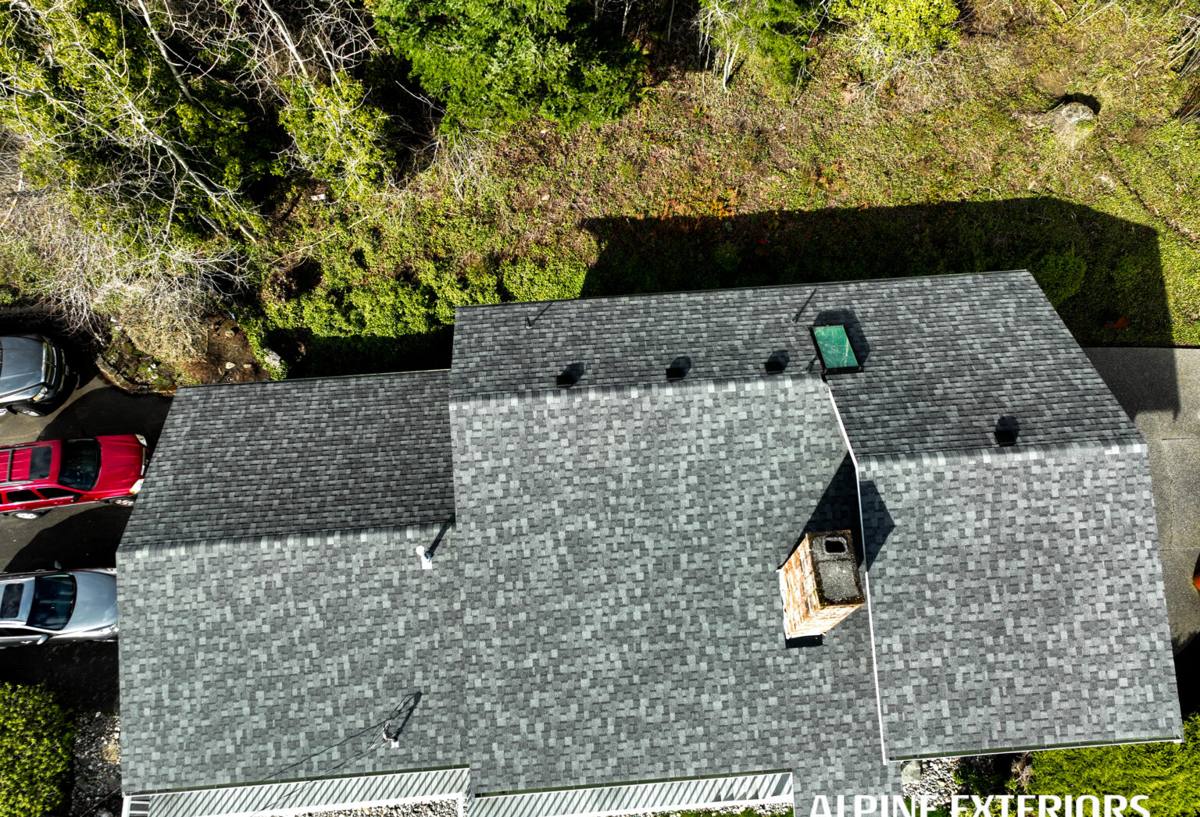
What Indian Shores' Climate Does to a Roof
Salt Air
Salt in the air settles on every exposed surface — shingle granules, metal flashing, fasteners, vents, gutters. Over time it accelerates corrosion on anything that isn't rated for coastal use. A roof built with standard-grade metal flashing and fasteners will show rust and pitting years before the same roof set a few miles inland. On a barrier island, that clock runs faster still because there's no landmass buffering the salt spray from either side.
Hurricane-Force Wind
Wind is the single biggest threat to a roof here. Uplift pressure at the edges and corners of a roof is where failures start — a few compromised shingles or a lifted section of flashing can turn into a much larger loss once wind gets underneath the roof covering. Homes this close to open water experience less friction slowing the wind down, so proper fastening patterns, starter courses, and edge details matter more here than almost anywhere else in the county.
Wind-Driven Rain
It's rarely straight-down rain during a storm — it's rain pushed sideways under pressure, which finds any gap in flashing, underlayment laps, or penetrations. A roof can look intact after a storm and still have let water in through details that weren't sealed correctly.
Year-Round UV
Constant, intense sun breaks down asphalt shingle oils and dries out sealants faster than in most parts of the country. Materials rated for UV resistance, and roofs that get proper attic ventilation to manage heat buildup underneath, hold up noticeably longer.
What a Correct New Roof Involves Here
A new roof is more than the visible layer on top. Every component below the surface material has to work together, especially on a coastal barrier island property.
- Roof deck inspection and repair — any soft, delaminated, or water-damaged decking gets replaced before anything new goes down. Fastening new material over a compromised deck defeats the whole install.
- Sealed roof deck — taped or sealed deck seams add a secondary water barrier, so if wind-driven rain ever gets past the primary roofing layer, it doesn't reach the interior.
- Enhanced underlayment — a synthetic or self-adhering underlayment rated for high-wind, high-UV coastal conditions, not a basic felt product.
- Corrosion-resistant metal — flashing, drip edge, and fasteners chosen for salt exposure, not standard-grade galvanized components that will corrode faster here.
- Wind-rated fastening pattern — nailing pattern and fastener count matched to the wind zone this property sits in, with extra attention at eaves, rakes, and ridges where uplift is highest.
- Proper flashing at every penetration — vents, chimneys, skylights, and wall transitions are common leak points if flashed incorrectly.
- Balanced attic ventilation — intake and exhaust that lets heat escape, protecting shingles from the inside out and helping control moisture.
Choosing the Right Roofing Material for This Location
There's no single "best" roofing material for every home — the right choice depends on budget, roof pitch, HOA or architectural expectations, and how long you want to go before the next re-roof. Here's how the common options compare for a coastal Pinellas County property.
| Material | Coastal Durability | Typical Lifespan | Trade-offs |
|---|---|---|---|
| Architectural asphalt shingle (high wind-rated) | Good, with coastal-rated products and correct install | 20-30 years | Most affordable; UV and salt exposure shorten lifespan more than inland; sealant strips need proper heat activation |
| Standing seam metal | Excellent, with marine-grade coatings and fasteners | 40-50+ years | Higher upfront cost; needs correct fastener spec to avoid galvanic corrosion; handles wind uplift very well |
| Tile (concrete or clay) | Very good for the tile itself; underlayment is the weak point | 30-50 years (tile), underlayment needs replacement sooner | Heavy — structure must support it; repairs after storms can be costly if tiles crack; underlayment failure is a common hidden issue |
| Modified bitumen / low-slope systems | Good when installed and maintained correctly | 15-25 years | Common on flat or low-slope sections of coastal homes; seams and flashing detail are critical |
We don't push one material on every homeowner. We'll walk you through what your roof's pitch, structure, and budget realistically support, and what trade-offs come with each option — including maintenance needs and how each performs under salt and wind specifically.
Permits, Codes, and Inspections
Pinellas County and the Town of Seminole require permits for new roof installations, and inspections at defined stages of the job — typically a dry-in inspection before the roofing material goes on, and a final inspection once the job is complete. Florida's building code sets wind-uplift and fastening requirements based on the wind speed zone a property falls in, and homes along the barrier islands generally sit in higher wind-speed design categories than inland properties. A correctly pulled permit and passed inspection also matters for insurance — many carriers ask for proof of code-compliant work, and some offer credits for wind mitigation features that get documented during a re-roof.
We handle the permitting and inspection scheduling as part of the job. You shouldn't have to chase that down yourself.
Our Process for an Indian Shores Roof Replacement
- On-site inspection and estimate — we assess the existing roof, deck condition, ventilation, and any storm or moisture damage, and give you a straightforward written estimate.
- Material selection — we go over the realistic options for your roof type, budget, and how long you plan to be in the home.
- Permitting — we pull the required permit and schedule inspections with the local building department.
- Tear-off and deck inspection — old roofing is removed and the deck is checked before anything new is installed.
- Installation — sealed deck, underlayment, flashing, and roof covering installed to the wind-rated specification for your zone.
- Final inspection and walkthrough — we pass the required inspection and walk the finished roof with you before calling the job done.
What to Check Before You Sign a Roofing Contract
- Is the contractor licensed and insured to work in Florida, and can they show proof?
- Do they pull permits themselves, or expect you to handle it?
- Is the estimate itemized — material, labor, tear-off, disposal — or one vague number?
- Do they specify the wind-rating and fastening pattern for your material, or just say "we'll install it right"?
- Will they put the manufacturer's warranty terms and their own workmanship warranty in writing?
- Have they worked on barrier island or beachfront properties before, and can they speak specifically to salt-air material choices?
Why Local Experience on This Stretch of Coast Matters
A roofing crew that mainly works inland subdivisions doesn't run into salt corrosion, wind-uplift edge cases, or the permitting quirks of a barrier island town every week. A crew that regularly works Seminole and the surrounding Pinellas beach communities — Indian Shores included — has already seen how standard-grade materials and generic install methods hold up here, and adjusts before problems show up rather than after. That shows up in fastener selection, flashing details, and which products we're willing to put our name behind on a property this exposed.
We're not going to tell you every roof needs the most expensive material available — that's not honest, and it's not how we do business. What we will do is tell you plainly what your roof needs to hold up against this specific stretch of Gulf coast, what it costs, and what the trade-offs are, so you can make the call with real information.
If your roof is aging, was damaged in a storm, or you're just planning ahead, we're happy to come take a look. Fill out the form below for a free, no-pressure estimate — no obligation, just a straight assessment of where your roof stands.