 Seminole Siding
 Roofing on a Barrier Island Is a Different Job
St. Pete Beach sits on a narrow strip of land between the Gulf of Mexico and Boca Ciega Bay, just a short drive from our home base in Seminole. That location is what makes the neighborhood beautiful, and it's also exactly what wears a roof out faster than almost anywhere else in Pinellas County. Homes here take on salt-laden air around the clock, direct Gulf sun with almost no tree cover in most yards, and wind-driven rain that comes in sideways during summer storms and named systems alike. A roof installed with barrier-island conditions in mind will hold up. One installed like it's going on a house twenty miles inland usually won't, and the difference shows up as granule loss, rusted fasteners, and leaks years before it should.
This page covers what a correct new roof installation looks like specifically for St. Pete Beach properties — the materials, the fastening and underlayment choices, and the process we follow from tear-off to final inspection.
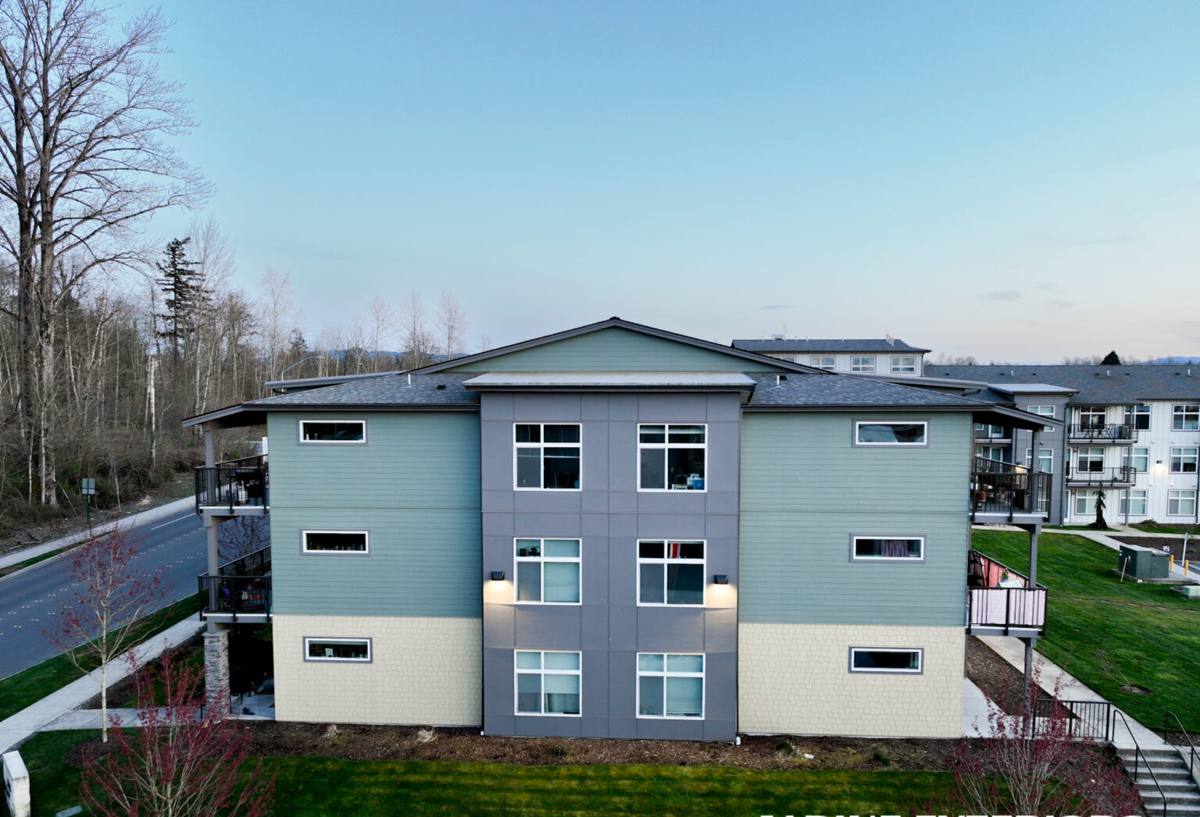
What the Local Climate Actually Does to a Roof
Salt Air
Airborne salt is corrosive to exposed metal. Roofing nails, flashing, drip edge, and any exposed fasteners on a barrier island roof corrode faster than the same components would just a few miles inland. Standard electro-galvanized nails and lightweight aluminum flashing don't hold up as long in this environment — they need to be upgraded, not just installed to code minimums.
UV Exposure
Florida gets intense, near year-round sun, and St. Pete Beach homes typically have little to no shade from tree canopy. UV breaks down asphalt shingle oils and can degrade lower-grade underlayments over time, which is part of why shingle selection and underlayment quality matter more here than in shadier parts of the county.
Wind and Wind-Driven Rain
Pinellas County's coastal areas see hurricane-force wind gusts during tropical systems, and even routine summer storms push rain sideways with enough force to find any gap in flashing or underlayment. A roof here needs to resist both wind uplift and water intrusion at every seam, not just shed rain in a normal downpour.
Humidity
Consistently high humidity means any trapped moisture under the roof deck has more opportunity to cause rot, mold, or deck deterioration before it's discovered. Ventilation and underlayment choices matter as much as the shingles themselves.
What a Correct New Roof Installation Includes Here
Full Tear-Off, Not a Layover
We remove the existing roofing material down to the deck rather than installing over an old layer. That lets us actually inspect the deck, catch soft or water-damaged plywood before it's covered up again, and start the new system on a sound, dry surface — which matters even more in a humid, coastal environment where hidden deck damage tends to be further along than it looks from above.
Deck Inspection and Repair
Any deteriorated decking gets replaced before anything else goes down. Installing new shingles over a compromised deck is one of the most common ways a "new roof" ends up leaking or failing early — it just hides the problem instead of fixing it.
Enhanced Underlayment
Given the wind-driven rain this area sees, we favor synthetic or self-adhering underlayment with strong tear resistance and reliable water-shedding, with self-adhering membrane at eaves, valleys, and other vulnerable areas where wind-blown water is most likely to work its way in.
Corrosion-Resistant Fasteners and Flashing
In a salt-air environment, we use fasteners and flashing rated to resist corrosion rather than standard-grade materials. This is a small cost difference at installation and a large difference in how the roof performs a decade from now.
Wind-Rated Installation Method
Nailing pattern, fastener count, and shingle sealing all affect wind resistance. We install to the manufacturer's high-wind specifications rather than the minimum code pattern, because minimum code is a floor, not a target, for a barrier-island roof.
Ventilation
Proper intake and exhaust ventilation keeps heat and moisture from building up in the attic space, which protects the deck from the underside and helps the shingles themselves last closer to their rated lifespan instead of prematurely aging from trapped heat.
Material Options for St. Pete Beach Homes
There's no single "best" roofing material for every home — the right choice depends on budget, roof style, HOA or architectural review requirements (common in some St. Pete Beach communities), and how long you plan to be in the home. Here's how the common options compare for this specific climate.
| Material | Coastal Performance | Maintenance | Typical Lifespan |
|---|---|---|---|
| Architectural Asphalt Shingle | Good, with high-wind-rated products and proper installation | Low | 20–30 years |
| Standing Seam Metal | Excellent wind and water resistance; needs coastal-grade fasteners and coatings | Low | 40–60+ years |
| Concrete or Clay Tile | Very good wind performance when properly fastened; underlayment does most of the waterproofing work | Low to moderate | 40–50+ years |
| TPO / Flat Roof Membrane | Good for flat or low-slope sections; seam quality is critical | Moderate — periodic inspection recommended | 15–25 years |
Many St. Pete Beach homes have a mix of sloped and flat roof areas — a main roof plane plus a flat section over a lanai or addition, for example. We evaluate each section on its own rather than assuming one material has to cover the entire roof.
How Our Process Works
- On-site inspection and estimate. We look at the current roof, deck condition where visible, ventilation setup, and any problem areas you've noticed, then walk you through options and a straightforward written estimate.
- Material selection. We help you weigh cost, appearance, and long-term performance for your specific roof — no pressure toward the most expensive option.
- Permitting. New roof installations require a permit; we handle the paperwork with the local building department so the job is inspected and documented correctly.
- Tear-off and deck inspection. Old roofing comes off, the deck gets inspected, and any needed repairs are addressed before moving forward.
- Underlayment and flashing. Enhanced underlayment goes down first, followed by new flashing at all penetrations, valleys, and edges.
- Roofing installation. Shingles, metal panels, or tile go on per manufacturer high-wind specifications.
- Cleanup and final inspection. The site is cleared of debris and nails, and the completed roof is reviewed against the permit requirements and our own standards before we call the job done.
Signs a St. Pete Beach Roof Needs Replacing Rather Than Repairing
- Granule loss heavy enough that shingles look bald or patchy, especially on sun-exposed slopes
- Multiple past repairs in different areas rather than one isolated issue
- Curling, cracking, or lifted shingle edges, particularly after storm season
- Visible rust staining around flashing, vents, or fasteners
- Soft spots or sagging when walked on, which usually points to deck damage
- Daylight visible through the roof deck from inside the attic
- A roof approaching or past 20–25 years old, even with no obvious leaks yet
- Rising energy bills that may point to failing ventilation or insulation performance
Not every one of these means a full replacement is the only option — some are legitimately repairable. Part of a fair estimate is telling you honestly when a repair will hold and when it's just delaying a bigger cost.
Insurance, Permits, and Documentation
A new roof installation affects your homeowner's insurance, and in coastal Pinellas County that matters more than it does inland — many insurers ask for proof of wind mitigation features and roof age. We provide the documentation you'll need for permitting and can supply the paperwork most insurers ask for regarding materials and installation method, including anything relevant to wind mitigation credits. We won't promise a specific discount or outcome from your insurer, since that's between you and them, but we make sure the job itself is documented correctly.
Why Hire a Crew That Already Works St. Pete Beach
Coastal installation isn't a different skill set so much as a different set of defaults — the fastener grade, the underlayment spec, the flashing details, and the wind-rated nailing pattern all need to be the standard approach, not an upsell. A crew that regularly works St. Pete Beach and the surrounding Pinellas County coastline treats those choices as routine because they've seen what happens when they're skipped: early corrosion, leaks that show up two or three years in, and shingles that lose their wind rating because of a shortcut nailing pattern. Being based in nearby Seminole also means we're familiar with the permitting process for this stretch of coastline and can respond quickly if something needs a look after a storm.
If you're weighing a repair against a full replacement, or just want a straight answer on what your roof actually needs, we're happy to take a look. Reach out for a free, no-pressure estimate using the form below.