 Seminole Siding
 Pinellas Park Sits in a Tough Climate for Exterior Siding
Pinellas Park sits just inland from the Gulf, but "inland" in Pinellas County doesn't mean much protection from what the weather can do to a house. Homes here still face hurricane-force wind gusts during tropical systems, wind-driven rain that gets pushed sideways into wall assemblies, near-constant UV exposure that runs at a higher intensity than most of the country, and salt-laden air that drifts in off the surrounding water and settles on every exterior surface. That combination is harder on siding than almost any other climate in the continental United States.
A siding product that performs fine in a milder region can fail here in ways that aren't obvious until years in — fading, cupping, swelling at the joints, or moisture getting behind the cladding and rotting the sheathing underneath. Homeowners in Pinellas Park don't need a siding job that looks good at installation. They need one engineered to hold up through another decade of Gulf Coast summers and storm seasons.
What Pinellas Park's Housing Stock Means for a Siding Job
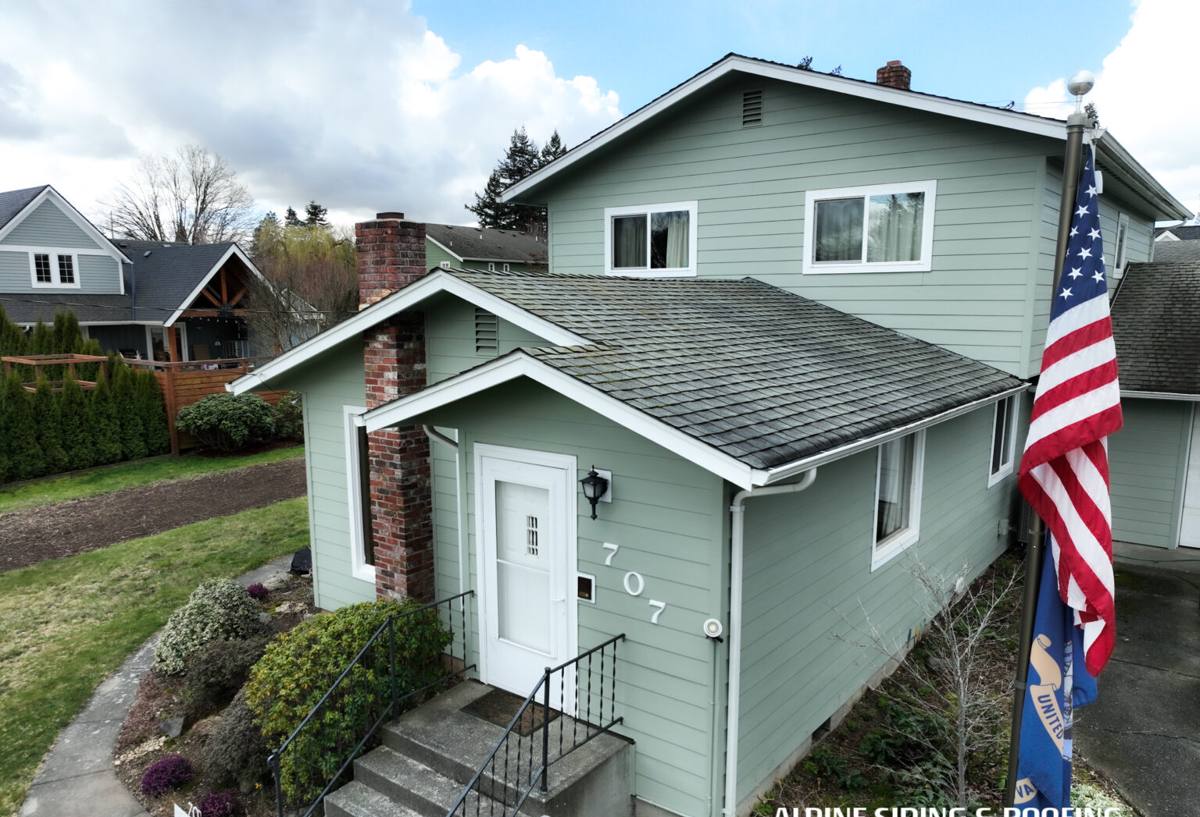
Like much of Pinellas County, Pinellas Park has a lot of concrete block homes built from the 1960s through the 1980s, often with wood-frame additions, gables, or accent walls where siding was added later. That mix matters. A block home with a wood-framed rear addition has two very different wall assemblies that need to work together, and the transition points between block and frame construction are exactly where water intrusion problems tend to start if they aren't detailed correctly.
Older siding on these homes — whether it's original wood, aluminum, or a past vinyl replacement — has usually already taken decades of salt air and sun. When we're asked to re-side a home here, we're not just swapping material. We're evaluating what's happening behind it: whether moisture has already gotten into the sheathing, whether flashing at windows and rooflines was ever installed correctly, and whether the substrate underneath is sound enough to fasten new siding to.
Signs Pinellas Park Homeowners Should Watch For
- Soft or spongy spots when you press on exterior wall siding, especially near the bottom courses
- Paint that's bubbling, peeling, or won't hold no matter how often it's redone
- Visible gaps or separation at siding joints and corner trim
- Fading or chalking that's noticeably worse on the west- and south-facing walls
- Rust staining or corrosion around fasteners and trim edges
Why We Install Only James Hardie Fiber Cement
We standardized on James Hardie fiber cement siding and don't install vinyl, LP SmartSide, or other fiber cement brands. That's not a marketing position — it's a decision based on what actually holds up in this climate. Fiber cement doesn't expand and contract with heat the way vinyl does, so it doesn't warp or pull away from fastening in the way vinyl can after years in direct Florida sun. It's non-combustible, which matters for insurance and code considerations. And James Hardie engineers specific product lines (their HZ5 line, for example) for high-humidity, high-moisture climates like ours, with a factory-applied ColorPlus finish that's baked on rather than field-painted, so it resists the fading and chalking that UV exposure causes on site-painted products.
None of that means fiber cement is maintenance-free or foolproof. It's a product that performs exactly as well as it's installed — get the clearances, fastening, and flashing wrong, and even the best material will have problems. That's why the installation details below matter as much as the material choice itself.
What a Correct Fiber Cement Installation Actually Involves
Fiber cement siding is unforgiving of shortcuts, and in a wind-driven-rain climate, the installation details are what actually keep water out of the wall — not just the product itself.
The details that matter most
- Proper clearances: siding held the manufacturer-specified distance above grade, roofing, decks, and patios so it never sits in standing water or gets wicking moisture from below
- Weather-resistive barrier and flashing: a correctly lapped water-resistive barrier and properly integrated flashing at every window, door, and penetration — this is where most water intrusion actually starts
- Fastener pattern and type: corrosion-resistant fasteners, driven at the manufacturer's specified spacing and depth — overdriven or underdriven nails are one of the most common installation defects we find on tear-off
- Joint treatment: butt joints properly flashed or shiplapped and sealed per Hardie's specifications, not just butted together and caulked
- Caulking and sealant: a high-quality, paintable sealant used only where Hardie's instructions call for it — not as a substitute for correct flashing
Every one of these steps is inspectable, and every one of them is easy to skip if a crew is moving fast. Skipping any of them doesn't show up as a problem on day one — it shows up two or three years later as a soft spot, a stain, or a warranty claim that gets denied because the installation didn't follow spec.
How Our Process Works on a Pinellas Park Home
- On-site assessment: we walk the exterior, check current siding condition, and probe for soft spots or existing moisture damage before quoting anything
- Substrate check: once old siding comes off, we inspect the sheathing and framing underneath — any rot or damage gets addressed before new siding goes up, not covered over
- Weather barrier and flashing installation: house wrap and flashing go in correctly at every penetration, based on current best practice and Hardie's installation guidelines
- Siding installation: James Hardie panels or planks installed to manufacturer clearance, fastening, and joint specifications
- Trim and detail work: corners, window and door trim, and transitions between wall types (common on block-and-frame homes) finished and sealed correctly
- Final walk-through: we inspect the finished job with the homeowner before calling it done
Cost Factors for a Pinellas Park Siding Project
Every home is different, so we quote after a real assessment rather than a phone estimate. But a few factors consistently move the number for homes in this area:
| Factor | Why It Affects Cost |
|---|---|
| Existing siding removal | Tear-off and disposal of old wood, aluminum, or vinyl adds labor before new installation can start |
| Hidden moisture or rot damage | Sheathing or framing repair discovered after tear-off is priced separately from the siding itself |
| Wall complexity | Homes with block-to-frame transitions, multiple gables, or additions take more detail work than a simple rectangular wall |
| Product line and profile | HardiePlank lap siding, HardiePanel, and shingle-style products carry different material costs |
| Trim and accessory work | Corner boards, window trim, and soffit or fascia work done alongside siding add to total scope |
| Home size and stories | Square footage and access (single-story versus two-story) affect both material and labor |
Why a Crew That Already Works Pinellas Park Matters
Siding installation isn't just a product spec — it's local knowledge applied correctly. A crew that regularly works Pinellas Park and the surrounding Seminole area already understands the wind exposure requirements that apply to this part of Pinellas County, knows what permitting and inspection process to expect from the local building department, and has seen firsthand how the mix of block and frame construction common here needs to be detailed at the transitions. That's different from a crew that installs siding all over the state and treats every job the same way.
There's also a practical side to hiring local: if a question comes up during an inspection, or if something needs a follow-up visit after a storm, a crew based nearby can actually show up. That responsiveness matters more in a hurricane-exposed area than almost anywhere else.
Questions Worth Asking Before You Hire
- Do you pull the required permit for siding work in this jurisdiction, or is that left to me?
- What's your fastening and flashing spec, and does it match the manufacturer's published installation instructions?
- Will you check and document the condition of the sheathing before covering it with new siding?
- What does your warranty cover — material, labor, or both — and for how long?
- Can you show me the specific James Hardie product line you're proposing and why it fits this house?
Living With Fiber Cement Siding in a Salt Air Climate
Correctly installed James Hardie siding is low-maintenance, but "low" isn't "none." In a salt air environment, it's worth rinsing exterior walls periodically to clear salt residue and airborne grime, keeping an eye on caulked joints and trim for any cracking over time, and doing a visual check after major storms for impact damage or lifted trim. None of this is heavy work, but staying on top of it is what lets the siding reach the lifespan it's designed for instead of developing problems that could have been caught early.
If you're planning a siding project for a Pinellas Park home, we're happy to walk the property with you, look at what's there now, and put together a straightforward, no-pressure estimate for a James Hardie installation built for this specific climate and this specific house. Use the form below to get started.