 Seminole Siding
 Why Siding Takes a Beating in Pinellas Park
Pinellas Park sits inside our Seminole-area service territory in Pinellas County, and like the rest of the Tampa Bay coastline, it doesn't get a break from the weather. Homes here deal with sustained tropical-storm and hurricane-force wind gusts several months a year, intense UV exposure nearly every day of the year, wind-driven rain that gets forced sideways into wall assemblies, and a steady dose of salt-laden air moving in off the Gulf. None of these are occasional stressors — they're the baseline conditions a exterior wall covering has to survive, year after year, without babying.
That combination is why siding choice matters more here than it does in a drier, calmer climate. A product that looks fine in a showroom or performs well in the Midwest can fail early on a Pinellas Park house simply because it was never engineered for this specific mix of heat, moisture, and wind. We install James Hardie fiber cement siding exclusively because it's built with this kind of climate in mind, and because we've seen firsthand what happens to lesser-suited materials on Gulf Coast homes.
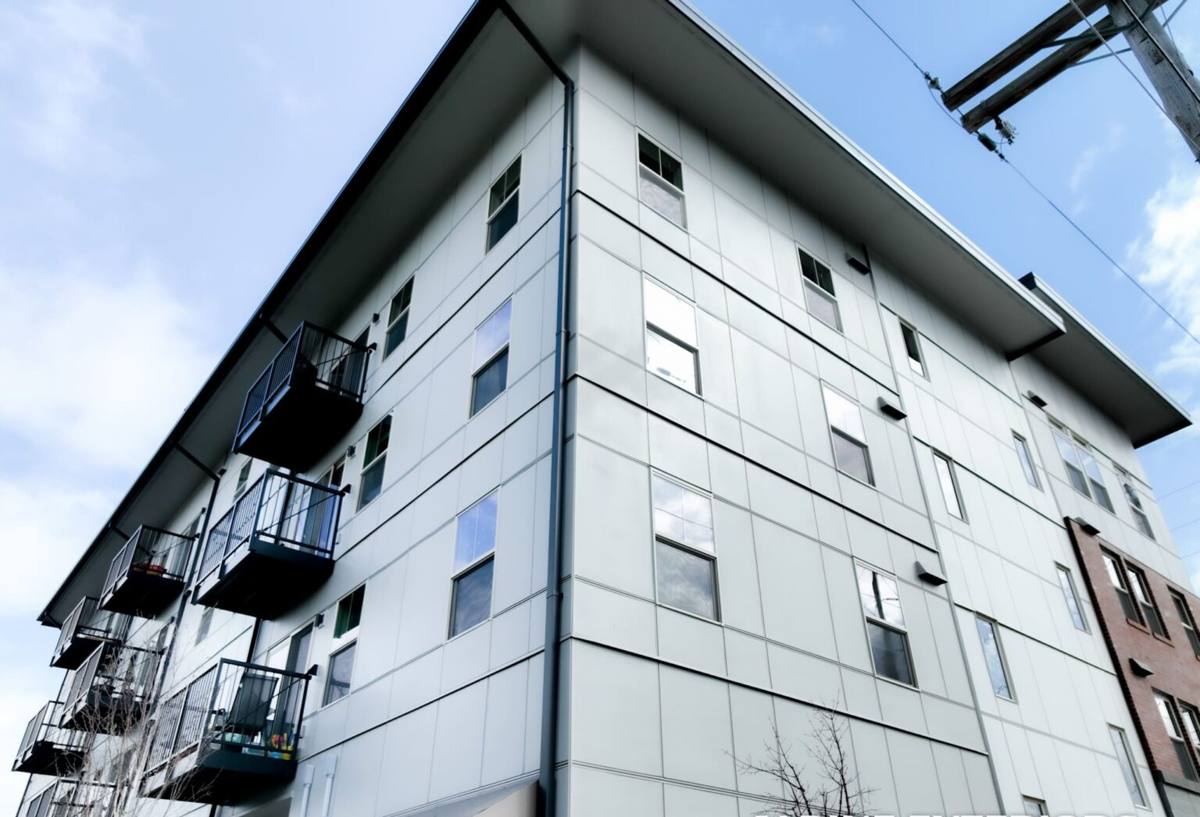
What Pinellas Park Homes Actually Need From Their Siding
Strip away the marketing and a Pinellas Park home's siding has four real jobs to do:
- Hold up structurally when wind gusts push and pull on the wall assembly during a tropical storm or hurricane.
- Resist UV degradation so color and material integrity don't break down under near-daily sun exposure.
- Manage moisture — both wind-driven rain forced into seams and the humidity that sits against exterior walls almost year-round.
- Shrug off salt air without corroding fasteners or breaking down the material's surface over time.
James Hardie's fiber cement formulation is built around exactly this list. It's non-combustible, dimensionally stable in heat and humidity swings, and manufactured in HZ (HardieZone) formulations engineered for specific climate regions — Pinellas County falls into the higher-moisture, higher-humidity HZ5 zone, and Hardie's HZ5 product formulation is designed to resist the swelling, cracking, and moisture intrusion that generic siding struggles with in this environment.
ColorPlus Finish and Salt Air
Standard field-painted siding is the first thing to show wear in a salt-air environment — chalking, fading, and peeling show up faster near the coast than they do inland. Hardie's ColorPlus finish is baked on at the factory in a controlled process, which gives it noticeably better fade and wear resistance than a job-site paint job, and it comes with its own finish warranty separate from the substrate warranty. For a Pinellas Park home, that's the difference between repainting every few years and going a decade or more before a color refresh is even a conversation.
Which Hardie Product Line Fits a Pinellas Park Home
James Hardie isn't a single product — it's a system of profiles, and picking the right one depends on the house.
| Product | Look | Best fit |
|---|---|---|
| HardiePlank lap siding | Traditional horizontal lap, smooth or woodgrain texture | Most single-family homes; the standard choice in our Pinellas County work |
| HardieShingle | Staggered or straight-edge shingle look | Accent gables, dormers, or full-shingle coastal-style homes |
| HardiePanel vertical siding | Board-and-batten, vertical panels | Modern facades, porch accents, mixed-material exteriors |
| HardieTrim | Fascia, corner boards, window/door trim | Pairs with any of the above for a finished, factory-matched system |
Most Pinellas Park homes we work on end up with HardiePlank as the primary field material, with HardieTrim boards for corners and window surrounds and sometimes a HardieShingle accent on a gable or entry feature. The right mix comes down to the home's architecture, not a one-size answer.
What a Correct Installation Actually Involves
Fiber cement siding is only as good as the installation behind it. Hardie's own installation manual is specific and detailed for a reason — in a wind-and-rain climate like ours, small shortcuts turn into real problems within a few storm seasons.
Fastening and Wind Resistance
Fastener type, spacing, and placement all affect how the siding performs in high wind. Nails or screws need to be the correct gauge, driven to the correct depth (not overdriven, which cracks the board or void the warranty), and spaced according to Hardie's published wind-zone requirements. In a coastal wind zone like Pinellas County's, that spec is tighter than it would be for an inland installation, and it's not optional.
Moisture Management Behind the Siding
The siding itself is only one layer of the wall's defense against wind-driven rain. Correct installation means a weather-resistive barrier installed properly behind the siding, flashing integrated correctly at windows, doors, and any wall penetrations, and consistent minimum clearances at the ground, roofline, and any horizontal trim so water has somewhere to go instead of sitting against the material. Skipping or rushing this layer is the single most common reason any siding system — Hardie included — develops moisture problems down the line.
Joints, Caulking, and Field Cutting
Butt joints need to be treated correctly (flashed or properly sealed, not just butted and caulked over), and any field cutting has to follow Hardie's dust-control cutting methods, both for the installer's safety and for a clean factory-edge finish. Sloppy field cuts and gapped joints are usually the first thing to fail visually and the first place water finds a way in.
Our Process on a Pinellas Park Project
- On-site assessment — we look at the existing wall assembly, sheathing condition, current siding material, and any moisture or rot issues before quoting anything.
- Removal and prep — old siding comes off, sheathing is inspected and repaired as needed, and the weather-resistive barrier is installed or corrected.
- Flashing and trim — windows, doors, and penetrations get flashed correctly before any siding goes up.
- Hardie installation — panels or planks installed to manufacturer fastening spec for our wind zone, with proper clearances maintained throughout.
- Finish and inspection — trim, caulking at appropriate joints only, and a final walk-through before cleanup.
We don't skip steps to save a day on the schedule. On a coastal Florida home, the prep and flashing work is what determines whether the siding is still performing correctly in ten or fifteen years — not just how it looks the week it's installed.
Why We Don't Install Everything on the Market
We get asked fairly often why we only offer James Hardie instead of also carrying vinyl or engineered wood options. The honest answer is that we've standardized on one product we can stand behind completely, rather than installing several products with different trade-offs and different levels of confidence in this climate.
| Factor | Vinyl siding | Engineered wood (e.g. LP SmartSide) | James Hardie fiber cement |
|---|---|---|---|
| Wind performance | Lower impact resistance; can crack or blow off in high gusts | Generally solid if installed correctly | Engineered and rated for high-wind coastal zones |
| Moisture behavior | Doesn't rot, but can trap moisture behind it if not vented correctly | Wood-based core is moisture-sensitive; edge sealing is critical | Non-organic core; not vulnerable to rot from moisture exposure |
| UV/fade resistance | Can fade and become brittle over years of sun exposure | Factory finish varies by product; touch-ups needed at cuts and joints | ColorPlus factory finish engineered for UV and fade resistance |
| Fire rating | Combustible | Combustible | Non-combustible |
None of this means the other products are junk — vinyl and engineered wood both have a place, and plenty of homes around the country wear them fine. What it means is that, for a coastal Pinellas County climate specifically, we decided the trade-offs weren't ones we wanted to put our name behind. Fiber cement's wind performance, non-combustibility, and moisture behavior line up better with what this area actually demands.
Why It Matters That We Already Work in Pinellas Park
A crew that regularly works the Seminole and Pinellas Park area already knows the local wind-zone fastening requirements, has a working relationship with local permitting, and understands how HOA architectural guidelines in this part of Pinellas County typically handle siding color and material approvals. That familiarity shows up in fewer surprises mid-project — permits that get approved without back-and-forth, and a finished look that fits the neighborhood instead of standing out for the wrong reasons.
It also means we're not learning the local climate on your house. Fastener schedules, flashing details, and clearance requirements that work fine in a mild climate need to be tightened up here, and a crew with local Gulf Coast experience already builds to that standard by default.
Living With Hardie Siding in This Climate
James Hardie siding is low-maintenance compared to most alternatives, but "low-maintenance" doesn't mean "zero-maintenance," especially near the Gulf. A simple seasonal routine keeps it performing the way it's designed to:
- Rinse the siding periodically to remove salt residue and airborne grime buildup.
- Inspect caulked joints annually and re-caulk any that have dried out or separated.
- Walk the exterior after major storms to check for impact damage or lifted trim.
- Keep gutters and downspouts clear so water isn't sheeting down the wall face.
- Trim back landscaping that holds moisture or debris against the siding.
What Affects the Cost of a Pinellas Park Hardie Project
| Factor | Why it matters |
|---|---|
| Home size and stories | More square footage and multi-story access both add labor time |
| Current siding removal | Tear-off and disposal of old material adds cost versus new construction |
| Sheathing condition | Rot or moisture damage found during removal needs repair before new siding goes up |
| Trim and architectural detail | Gables, dormers, and multiple wall planes take more time than a simple rectangular footprint |
| Product line and profile | HardieShingle and custom profiles run higher than standard HardiePlank |
We don't quote a Pinellas Park project off a phone call — an accurate number requires actually seeing the home, the current siding condition, and the architectural detail involved.
If you're weighing siding options for a Pinellas Park home, we're glad to come take a look and walk you through what a correctly installed James Hardie system would involve for your specific house — no pressure, no obligation. Use the form below to request a free estimate.