 Seminole Siding
 Redington Beach Decks Take More Abuse Than Most
Redington Beach sits on a narrow barrier island in Pinellas County, a few minutes from Seminole, with the Gulf of Mexico on one side and the Intracoastal on the other. That location is exactly why decks here wear out faster than decks even a few miles inland. Salt air is in the wind every single day, not just during storms. UV exposure runs close to year-round. And when a tropical system or a strong summer squall rolls through, wind-driven rain gets forced sideways into joints, fasteners, and ledger connections that were never designed to handle water from that angle.
None of that means a deck on Redington Beach is doomed — it means it needs to be built and repaired with that environment in mind. A repair that would hold up fine in a drier, inland part of Pinellas County can fail within a couple of seasons out here if the wrong materials or techniques are used.
Salt Air and Fasteners
Ordinary galvanized screws and nails corrode faster near the coast. Once a fastener starts rusting, it swells slightly, cracks the surrounding wood fiber, and loses grip — which is how you end up with squeaky boards, wobbly railings, or a step that flexes underfoot. This is one of the most common root causes we find when we're called out for a deck that "just started feeling off."
UV and Material Fatigue
Constant sun dries out wood fiber and breaks down the resins and stabilizers in composite decking over time. Wood decking can cup, check, or gray unevenly depending on shade patterns from railings and structures nearby. Composite boards, even good ones, will fade and can become brittle at the surface after years of full coastal sun exposure.
Common Deck Problems We See on Redington Beach Homes
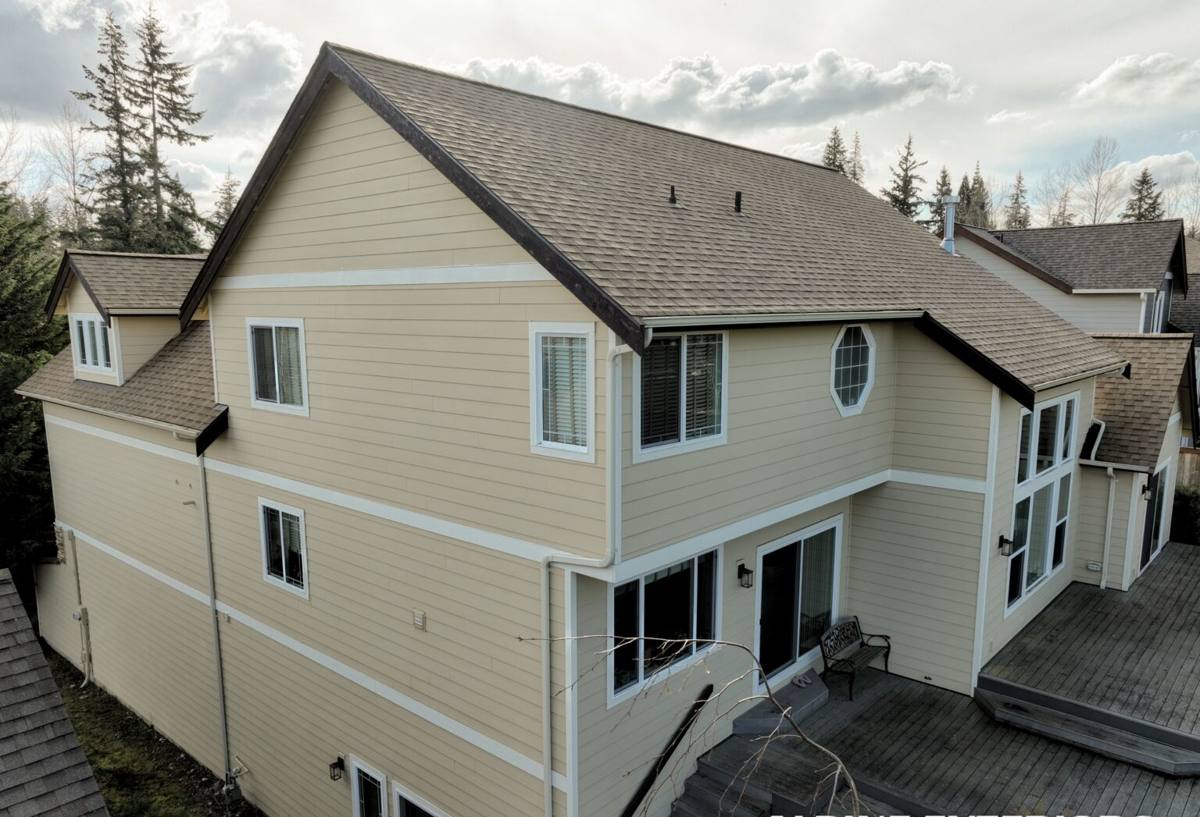
Because so many homes here are elevated or close to the water, we see a fairly consistent pattern of issues when we inspect decks in this area:
- Rusted or corroding screws, joist hangers, and bolts, especially near the ledger board and stair stringers
- Soft or spongy decking boards where water has been sitting or wicking into end grain
- Loose or wobbly railings and posts, often from fastener failure rather than the post itself
- Ledger board separation or moisture intrusion where the deck meets the house
- Cupped, warped, or split boards from repeated wet-dry cycling
- Stairs with uneven or spongy treads, which is a safety issue as much as a cosmetic one
- Under-deck framing that looks fine from the top but shows rot or corrosion when viewed from below
The tricky part is that a lot of these problems look minor from the surface — a little bounce in a board, a railing that wiggles slightly — but they usually point to something happening underneath that's worth catching early.
What a Correct Deck Repair Actually Involves
A repair that's done right starts with figuring out why the damage happened, not just patching what's visible. We've seen plenty of decks where someone replaced a few rotted boards but left the corroded hardware or the moisture source underneath, and the same problem came back within a year or two.
Structural Inspection First
Before any board gets replaced, we check the framing underneath — joists, beams, posts, and footings — along with the ledger board connection to the house. If the structure has soft spots, rust-jacking around fasteners, or signs of past water intrusion, that gets addressed before cosmetic repairs happen.
Ledger Board and Flashing
The ledger board — where the deck attaches to the house — is one of the most important connections on the whole structure, and it's also one of the most common places we find hidden moisture damage. Proper flashing at this joint keeps water from tracking behind the siding or into the rim joist. On a lot of older or DIY-built decks in coastal areas, this flashing was either installed incorrectly or has failed over time from constant moisture exposure.
Fasteners and Hardware
For repair work in a salt-air environment, we use stainless steel or coated fasteners and connectors rated for coastal or ACQ-treated lumber contact, rather than standard galvanized hardware. It costs a bit more up front, but it's the difference between a repair that lasts and one that starts corroding again within a season or two.
Repair vs. Replacement: How We Help You Decide
Not every deck problem calls for a full rebuild, but sometimes patching isn't the honest answer either. Here's generally how we think through it:
| Factor | Leans Toward Repair | Leans Toward Replacement |
|---|---|---|
| Framing condition | Joists and beams are structurally sound | Widespread rot, rust-jacking, or soft framing |
| Age of the deck | Under 10-15 years, built to a solid standard | Older deck, especially with unknown or undocumented construction history |
| Extent of damage | Isolated boards, railings, or connections | Damage spread across multiple systems (decking, framing, ledger) |
| Ledger board | Properly flashed and dry | Signs of chronic moisture intrusion |
| Cost over time | Repair cost is a fraction of replacement | Repeated repairs starting to add up close to rebuild cost |
We'll walk you through what we find and give you a straight answer on which category your deck falls into — including when repair is genuinely the right call and full replacement isn't necessary.
Our Repair Process
- On-site inspection. We check the deck surface, railings, stairs, framing, and the ledger connection to the house.
- Written scope and estimate. You get a clear explanation of what's failing, why, and what it will take to fix it correctly.
- Repair or replace affected components. This can mean individual boards, hardware, railings, stair components, or structural framing, depending on what the inspection turns up.
- Fastener and hardware upgrade where needed. Corroded coastal-grade connectors get replaced with hardware suited for salt-air exposure.
- Final check. We test for flex, movement, and secure railings before we consider the job done.
Material Choices for a Coastal Deck
Homeowners near the water usually ask us to compare wood and composite decking, and there's no single right answer — it depends on maintenance tolerance and budget.
Pressure-treated wood is affordable and easy to repair board-by-board, but it needs regular sealing or staining to hold up against constant sun and salt air — skip that maintenance for a couple of years out here and it shows. Capped composite decking costs more up front and resists moisture and fading better over the long run, but it's less forgiving of poor installation — expansion gaps, fastener spacing, and ventilation underneath all matter more with composite than with wood, and mistakes there can void a manufacturer's warranty. We'll give you our honest take on which fits your situation rather than pushing whatever's easiest for us to install.
Permits and Local Considerations
Deck repair work near the coast can trigger permitting requirements depending on the scope of the work — this is more likely with structural repairs, railing replacement, or anything touching the ledger connection than with simple board swaps. Requirements and review can vary by jurisdiction here in Pinellas County, so we check what applies to your specific property and repair scope before work starts rather than assuming. Elevated and stilt-style construction is common in barrier island communities like this one, which can also affect what inspections apply.
Signs It's Time to Call Someone
- Boards that feel spongy, springy, or soft when you step on them
- Any visible rust streaking around screws or bolts
- A railing or post that moves when you push on it
- Gaps, cracks, or separation where the deck meets the house
- Stairs that feel uneven or flex under weight
- Visible wood decay, especially near the ground or under the deck
- A deck that hasn't been inspected in several years, even if it looks fine on top
If any of these sound familiar, it's worth getting an inspection before the next storm season rather than after.
Why Local Experience on Redington Beach Matters
A crew that regularly works on this stretch of the Pinellas County coast already knows what tends to fail first on a barrier island deck, what fastener and flashing choices actually hold up here, and how salt air changes the maintenance timeline compared to an inland deck. That local familiarity means fewer surprises during the inspection and a repair plan built around how your deck will actually be used and exposed, not a generic checklist.
If your deck in Redington Beach has soft spots, rusted hardware, a wobbly railing, or you just want an honest opinion on its condition, we're happy to take a look. Reach out for a free, no-pressure estimate using the form below — we'll give you a straight assessment and a clear plan, whether that's a targeted repair or something more.