 Seminole Siding
 Redington Beach Sits Right at the Edge of the Gulf — Your Siding Has to Handle It
Redington Beach is a barrier island community, which means the exterior of a home here takes on a different level of exposure than a house a few miles inland in Seminole. There's very little standing between your siding and open Gulf water: hurricane-force winds with almost nothing to slow them down, wind-driven rain that gets forced sideways into wall assemblies, salt air that settles on every exterior surface year-round, and intense, near-constant UV that doesn't let up in winter the way it does farther north. Siding that would hold up fine in a inland subdivision can fail early on a barrier island lot, and the failures usually aren't dramatic — they're slow: fading, swelling, soft spots, fastener corrosion, and paint that won't hold.
This page is about one job, done right, in one place: siding installation for homes in Redington Beach. Not a generic overview of siding in general — the specific conditions this stretch of Pinellas County coastline puts on an exterior wall, and what it actually takes to install siding that's built for it.
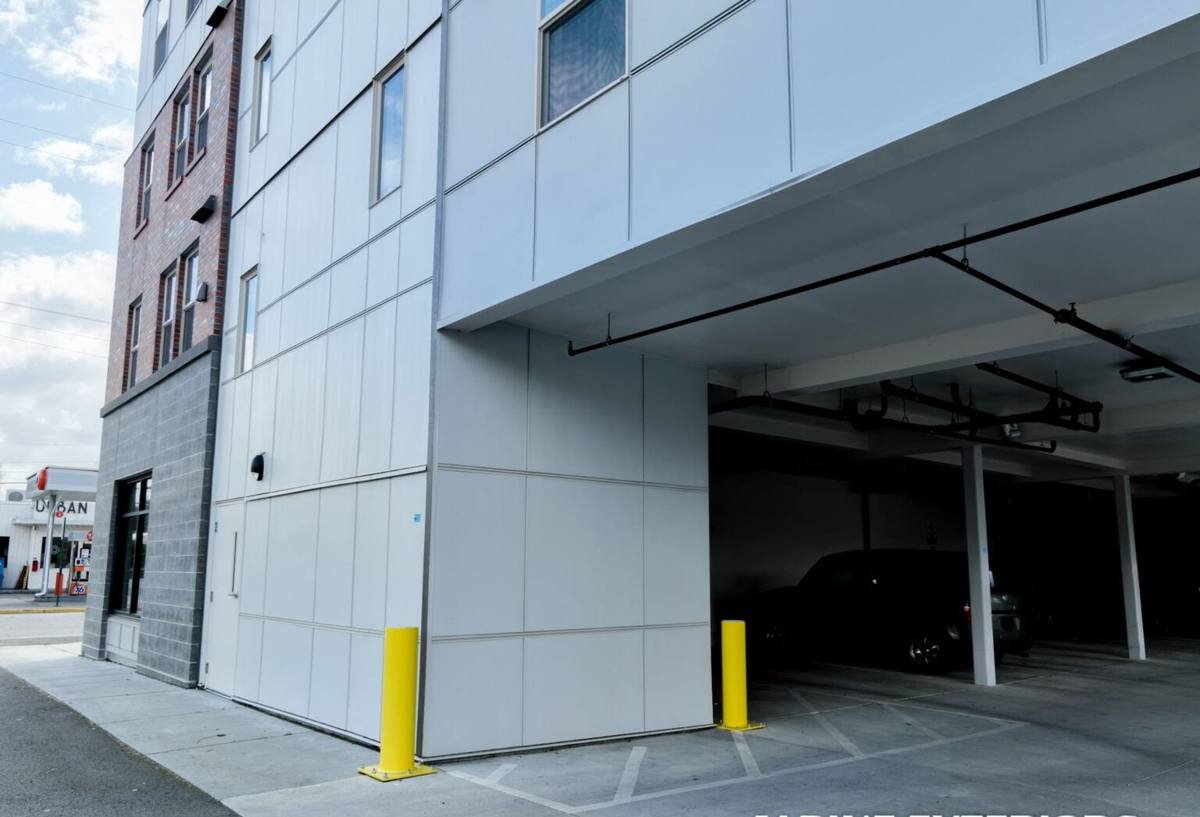
What Barrier Island Conditions Do to the Wrong Siding
Salt Air and Corrosion
Airborne salt doesn't stay near the water — it travels on the wind and settles on every exterior surface, including siding, trim, and fasteners. Materials and fastener metals that aren't rated for coastal exposure corrode faster here than almost anywhere else in the county. Once fasteners start corroding, siding panels loosen, streak, and eventually fail at the attachment point — a problem that's expensive to fix because it usually means pulling the siding, not just cleaning it.
UV and Fading
Florida sun is intense everywhere, but a Gulf-front or near-Gulf property gets more direct, unobstructed sun exposure than a shaded inland lot. Paint finishes that aren't engineered for this kind of UV load chalk, fade unevenly, and need repainting far sooner than the homeowner was told to expect.
Wind-Driven Rain and Moisture Intrusion
During tropical storms and hurricanes, rain in Redington Beach doesn't just fall — it's driven horizontally into the wall. Siding systems and installation details that aren't built to shed wind-driven water let moisture behind the cladding, where it causes rot, mold, and sheathing damage long before anyone sees a stain on the outside.
Wind Load
Wind speeds on an exposed barrier island lot are higher, in practical terms, than what an inland Seminole property experiences in the same storm. Fastening patterns, panel selection, and installation details all have to account for that — a fastening schedule that's "good enough" a few miles inland can be undersized here.
Why We Install Only James Hardie Fiber Cement
We don't install vinyl, LP SmartSide, primed wood, or other fiber cement brands. We install James Hardie fiber cement siding, and in a location like Redington Beach, that's not a brand preference — it's a fit-for-exposure decision. James Hardie makes a product line, HZ10, specifically engineered for the harshest U.S. climates, including Gulf Coast salt air and coastal humidity. Fiber cement itself is dimensionally stable and resists the moisture swelling that undermines wood-based and some engineered wood products in humid, wind-driven-rain environments. It's also non-combustible, which matters on a coastline where dry season brush and lightning-strike fires are a real, if occasional, risk.
The factory-applied ColorPlus finish is the other half of the equation. It's baked on under controlled conditions and engineered to resist UV fade and hold color far longer than field-applied paint — which matters directly here, given how much direct sun a Gulf-adjacent property absorbs. James Hardie backs its products with a strong transferable limited warranty, but that warranty is only as good as the installation behind it — which is why correct installation, not just product selection, is the real subject of this page.
What a Correct Siding Installation Involves
Fiber cement siding is a system, not just a panel. Getting it right on a coastal home means getting every layer behind the visible surface right, too.
Tear-Off and Substrate Inspection
Before new siding goes up, the old siding comes off and the sheathing underneath gets inspected. On coastal homes, this step matters more than people expect — hidden moisture damage from years of wind-driven rain intrusion is common, and it has to be found and repaired before anything new is installed over it.
Weather-Resistive Barrier and Flashing
A correctly lapped weather-resistive barrier, with properly integrated flashing at windows, doors, and penetrations, is what actually keeps wind-driven rain out of the wall assembly. This layer does more work than the siding itself when a storm is pushing rain sideways into the house.
Fastening for Wind Exposure
Fastener type, spacing, and embedment all have to match the wind exposure of the specific lot — an exposed barrier island elevation isn't fastened the same way as a sheltered inland wall. Corrosion-resistant fasteners are non-negotiable this close to salt air.
Joints, Caulking, and Clearances
Proper starter strips, panel gaps, and sealant at joints and penetrations prevent water from tracking behind the siding. Ground clearance and drainage details also matter more here, where storm surge and heavy rain events can put water higher up the wall than on a typical inland lot.
Our Process for Redington Beach Projects
- On-site assessment — we look at your home's specific exposure: how close to the water, which direction it faces, current siding condition, and any existing moisture or fastener issues.
- Product and profile selection — HardiePlank lap, HardieShingle, or HardiePanel, in a HZ10 configuration suited to the exposure, with ColorPlus finish options.
- Permitting — we handle the permitting process for the job, which on barrier island properties can involve additional review depending on flood zone and setback requirements.
- Tear-off, substrate repair, and installation — done to manufacturer fastening and clearance specifications, not shortcuts.
- Final walkthrough — we go over the finished work with you before we call the job done.
Cost Factors for Redington Beach Siding Projects
Every home is different, but the factors that move the price on a barrier island job are fairly consistent. This isn't a quote — it's what to expect to discuss when you get an estimate.
| Factor | Why It Matters Here |
|---|---|
| Home size and wall complexity | More corners, dormers, and trim details mean more labor and cutting, regardless of location. |
| Existing substrate condition | Coastal homes more often need sheathing repair from past wind-driven rain intrusion, which adds scope. |
| Siding profile | Lap, shingle, and panel products have different material and installation costs. |
| Wind exposure of the lot | A fully exposed Gulf-facing elevation may call for a heavier fastening schedule than a sheltered wall. |
| Access and staging | Barrier island lots are often tighter, with less room for material staging and equipment than inland properties. |
| Tear-off vs. new construction | Removing and disposing of old siding adds labor that new construction doesn't require. |
Permitting and Flood-Zone Considerations
Redington Beach properties sit within Pinellas County's coastal jurisdiction, and depending on your flood zone designation and elevation, siding and exterior work can involve additional permitting review beyond what an inland Seminole home requires. We handle this as part of the job rather than leaving it to the homeowner to sort out — but it's worth knowing going in that a barrier island permit can take a little longer than an inland one, and that's normal, not a sign of a problem with your project.
What to Look For When Hiring a Siding Contractor Here
- Florida contractor license and current liability and workers' comp insurance, verifiable, not just claimed
- Actual experience installing on barrier island or immediate coastal properties, not just "Florida experience" broadly
- A written scope that specifies fastening pattern, flashing details, and product line — not just "siding replacement"
- Manufacturer-certified or trained installers for the specific fiber cement product being installed
- A clear answer on how substrate damage, if found during tear-off, is handled and priced
- Willingness to explain warranty terms — both the manufacturer's and the installer's own workmanship coverage
Why It Matters That We Already Work in Redington Beach
A crew that mostly works inland has to relearn coastal conditions on your project. A crew that already works Redington Beach and the surrounding Seminole coastline knows the exposure differences from one elevation to the next, has already worked through the local permitting process, and understands the access and staging realities of barrier island lots without adding surprises to the schedule. That familiarity shows up in the details that actually determine how long the siding lasts — fastening, flashing, and sealant work that doesn't get shortcut because the crew already knows what this coastline does to a wall assembly over time.
If you're planning a siding project for a Redington Beach home, we'd like to take a look and give you a straight, no-pressure estimate — what your home's specific exposure calls for, what the job involves, and what it will cost. There's no obligation to use the form below to get started.