 Seminole Siding
 Storm Damage Roof Repair for Redington Beach Homes
Redington Beach sits on a narrow strip of barrier island in Pinellas County, with the Gulf of Mexico on one side and the Intracoastal Waterway on the other. That location is part of why people live there, and it's also why roofs on this stretch of coast take a beating unlike homes even a few miles inland. Wind has an unobstructed run at these houses, salt air works on every exposed metal component year-round, and the same intense Florida sun that draws people to the beach also breaks down roofing materials faster than it does elsewhere in the county.
When a storm passes through, whether it's a tropical system, a summer squall line, or just a few hours of sustained straight-line wind, Redington Beach roofs need an honest look afterward. Some damage is obvious. A lot of it isn't. This page covers what storm damage actually looks like on a barrier-island roof, what a correct repair involves, and how our process works for homeowners in this specific area.
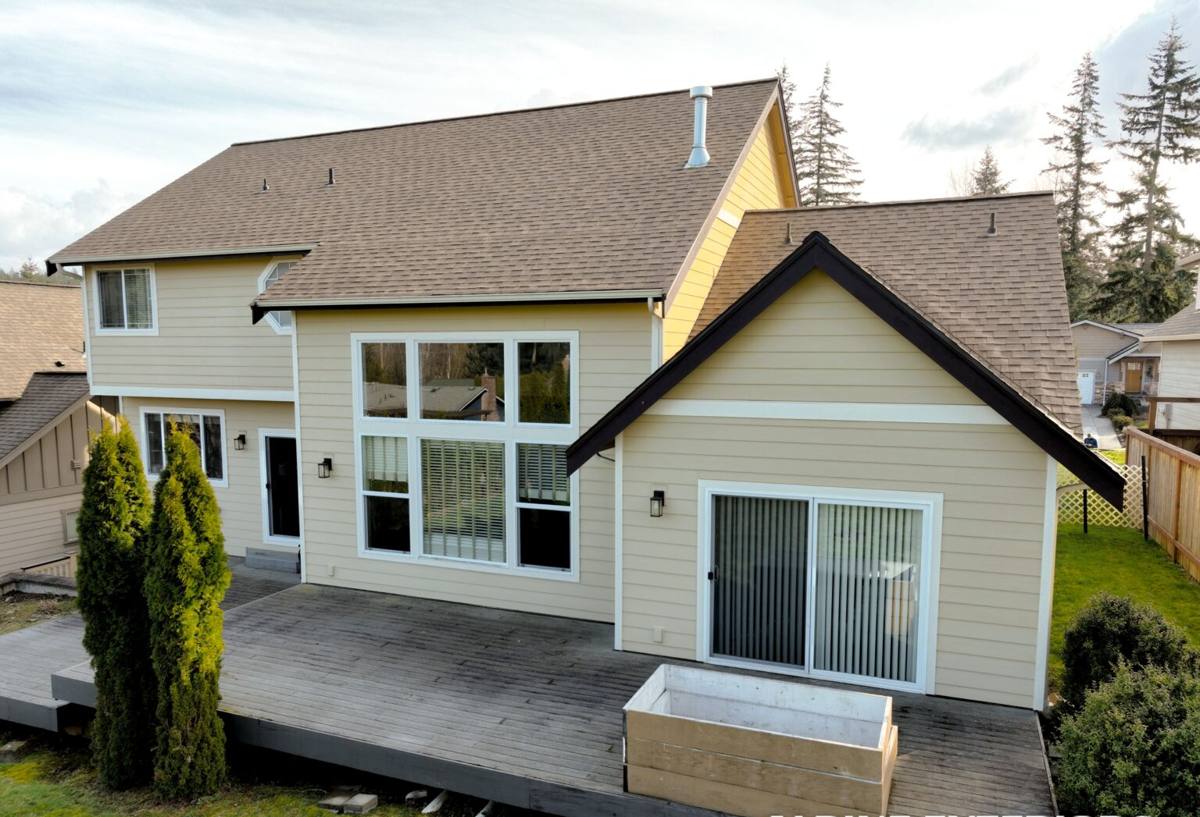
Why Coastal Exposure Changes the Math on Storm Damage
Wind
Redington Beach doesn't have the tree cover or the mix of two- and three-story neighbors that break up wind speed the way you'd see further inland in Seminole or Largo. Roofs here take wind loads closer to what's measured at the coast, which is higher than the numbers you'll see for a home even a mile or two east. That matters for uplift at the edges and corners of a roof, which is almost always where storm damage starts.
Wind-driven rain
Straight-down rain and wind-driven rain behave completely differently on a roof. Wind-driven rain gets pushed sideways and even slightly upward under shingle tabs, around flashing laps, and into any gap that a calm-weather rain would never reach. A roof that's shed water fine for years can still take on water during a single wind event if a seal or a flashing detail wasn't built for that kind of pressure.
UV and heat
Year-round sun exposure on the island is intense, and it doesn't let up in winter the way it might further north. UV breaks down the asphalt in shingles, dries out sealant strips, and makes underlayment more brittle over time. A roof that's already been baked for a decade has less flexibility left to absorb a storm's impact without cracking or lifting.
Salt air
Salt corrodes exposed fasteners, drip edge, flashing, and any metal roofing component faster near the Gulf than it does inland. Corroded fasteners lose their grip strength, and a nail that's holding a shingle down with half its original strength is a much easier target for the next round of high wind.
What Storm Damage Actually Looks Like
Some of it you can spot from the ground. Most of it you can't, and that's the part that causes problems later, because water intrusion that starts small during one storm often doesn't show up as a ceiling stain until months of repeated exposure add up.
- Missing, cracked, or curled shingles, especially near ridges, edges, and valleys
- Granules collecting in gutters or at downspout discharge points after a storm
- Lifted or separated flashing around chimneys, vents, skylights, and roof-to-wall joints
- Soft spots, sagging, or discoloration on interior ceilings, especially near exterior walls
- Displaced or dented ridge caps and ridge vents
- Debris impact marks, dents, or punctures from wind-blown material
- Gaps or exposed nail heads where sealant has dried out and pulled away
- Water stains inside the attic that weren't there before the storm
None of these on their own always means a full replacement is needed. But every one of them needs to be checked by someone who knows what they're looking at, because the visible sign and the actual extent of the damage underneath don't always match.
What a Correct Storm Damage Repair Involves
Finding the actual extent of the damage
A rushed repair patches what's visible from the ground and calls it done. A correct repair gets on the roof, checks the attic from inside when accessible, and traces water paths back to their actual entry point, which is sometimes several feet from where the stain shows up on a ceiling. Wind and water don't always travel in a straight line once they're under a roof covering.
Matching materials, not just covering the hole
Shingles fade and wear at different rates depending on sun exposure, so a patch using new material next to years-old material won't always blend perfectly, and we're upfront about that rather than pretending otherwise. What matters more than a perfect color match is that the underlayment, flashing, and fastening pattern in the repaired section meet the same standard as the rest of a properly installed roof.
Flashing and fastener condition
Because of the salt air on the island, we pay close attention to the condition of exposed metal during any repair, not just the shingles themselves. Replacing shingles over corroded flashing or reusing fasteners that have already lost grip strength is a shortcut that shows up again in the next storm.
Sealing for wind-driven rain, not just rain
Standard patch work sometimes accounts for rain but not for the sideways and upward pressure wind-driven rain creates. On a barrier-island roof, every lap, seal, and termination point in a repair needs to hold up under that pressure specifically, not just under a calm rainstorm.
Our Storm Damage Repair Process
- Inspection. We get on the roof and, where accessible, check the attic to look for the actual source of any leak, not just the visible symptom.
- Documentation. We photograph and describe the damage clearly, which is useful whether you're filing an insurance claim or just want a record of the roof's condition.
- Honest scope. We tell you plainly whether this is a targeted repair, a larger section replacement, or something closer to a full re-roof, and why.
- Repair. We match materials as closely as reasonably possible, correct any underlying flashing or fastener issues we find, and rebuild the affected area to hold up against coastal wind and rain, not just to look patched.
- Follow-up. We tell you what to watch for afterward and what kind of maintenance will extend the life of the repair given this location's exposure.
Repair vs. Replacement: What Actually Drives the Decision
Homeowners often ask whether it's worth repairing storm damage or whether it's smarter to replace the whole roof. The honest answer depends on a handful of factors, not a single rule.
| Factor | Favors Repair | Favors Replacement |
|---|---|---|
| Age of existing roof | Roof is well within its expected lifespan | Roof is already near or past its expected service life |
| Extent of damage | Damage is localized to one section or slope | Damage is spread across multiple areas of the roof |
| Underlying condition | Decking and flashing elsewhere are sound | Widespread fastener corrosion or brittle underlayment found |
| Material availability | Matching shingles are still reasonably available | Original material is discontinued or badly faded |
| Storm history | First significant damage in many years | Repeated storm damage over recent years |
We'll walk you through where your roof falls on these points before recommending either option. A repair that's the wrong call for the roof's actual condition just means paying for the same problem twice.
Insurance Claims and Storm Damage
Many storm damage repairs on the island involve a homeowner's insurance claim. We're not a public adjuster and won't claim to guarantee any outcome with your carrier, but we can provide clear documentation of the damage we find, describe it in terms that match how adjusters typically evaluate roof claims, and be available if your adjuster has questions about our findings. Keep in mind that timing matters with most policies, so having a roof looked at soon after a storm, rather than waiting until a small leak becomes a bigger one, generally works in your favor either way.
Why a Crew That Knows Redington Beach Matters
A roofing crew that mostly works well inland doesn't necessarily think about salt-air fastener corrosion, wind-driven rain at flashing laps, or the wind load differences a barrier-island home experiences compared to a home a few miles east in Seminole. Those aren't exotic concerns, they're just details that matter more here than they do elsewhere in Pinellas County, and a repair that doesn't account for them tends to fail again sooner than it should. We work throughout the Seminole area, including the barrier islands, and we build every storm repair around the conditions this specific stretch of coast actually produces.
After the Repair: Reducing Future Storm Damage
A good repair is the fix. Ongoing attention is what keeps the next storm from causing the same kind of damage again.
- Have the roof visually checked after any significant wind event, even if nothing looks obviously wrong from the ground
- Keep gutters and downspouts clear so water has somewhere to go during heavy wind-driven rain
- Trim back any overhanging vegetation that could drop debris on the roof during high wind
- Watch for granule buildup in gutters as an early sign of shingle wear from UV exposure
- Address small issues, like a lifted shingle tab or a cracked sealant bead, before the next storm season rather than after
None of this prevents every storm from causing damage, but it does reduce how much a given storm is able to do to a roof that's otherwise in good shape.
Get an Honest Look at Your Roof
If your Redington Beach home has been through recent wind or rain and you're not sure whether it needs attention, we're glad to take a look. The estimate is free, there's no pressure to move forward, and you'll get a plain explanation of what we find and what it would take to fix it. You can request one using the form below.