 Seminole Siding
 Deck Repair Built for a Barrier Island Climate
Redington Shores sits right on the Gulf, and that location is exactly why decks here age faster than decks fifteen miles inland. Salt-laden air corrodes fasteners and hardware from the inside out, long before the wood or decking surface shows obvious damage. Intense year-round UV breaks down wood fibers and composite resins, drying out boards and fading finishes. Wind-driven rain during summer storms and hurricane season pushes moisture into joints, ledger connections, and end grain that a normal rain shower would never reach. None of this means a deck is doomed — it means repairs have to account for what's actually happening underneath the surface, not just what's visible on top.
We work on decks throughout Seminole and the surrounding Pinellas County coastline, and Redington Shores decks consistently show a specific pattern: cosmetic wear on top, but the real problems are in the fasteners, the framing connections, and anywhere water collects against wood.
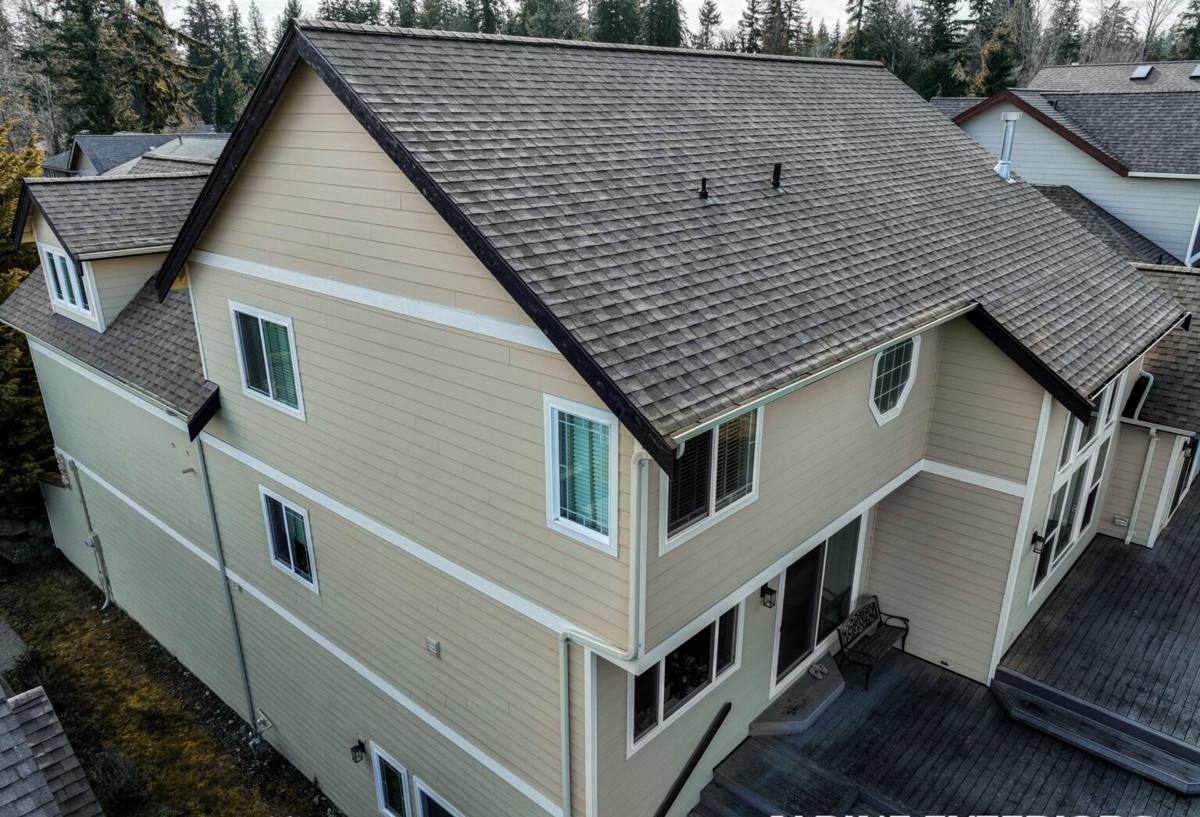
Signs a Redington Shores Deck Needs Repair
Most deck failures don't happen suddenly. They show warning signs for months, sometimes years, before a board gives way or a rail loosens. Catching these early is what keeps a repair a repair, instead of a full rebuild.
- Boards that feel spongy, springy, or soft underfoot, especially near the house or along the perimeter
- Rust streaks bleeding out from screw heads or bolt connections
- A railing or post that wiggles when pushed, even slightly
- Gaps opening up where the deck meets the house (the ledger board connection)
- Visible cupping, splitting, or graying on wood decking that hasn't been resealed in a few years
- Discoloration or staining underneath the deck, which usually points to water pooling on framing members
- Loose or missing joist hangers, visible from below
- Composite boards that have started to flake, swell at the edges, or delaminate
Any one of these on its own might be minor. Several together, or anything involving the structural frame rather than the surface boards, is worth a proper inspection before it becomes a safety issue.
What a Correct Deck Repair Actually Involves
It Starts Below the Decking, Not On Top of It
A repair that only addresses what's visible — swapping a few bad boards, sanding and resealing — can look great for a season and still leave the underlying problem untouched. The framing (joists, beams, posts, and footings) and the connections (joist hangers, ledger bolts, post bases) are what actually hold the structure together. A proper repair starts by getting underneath the deck and checking those components for rot, rust, and movement, not just walking the surface.
The Ledger Connection Deserves Extra Attention
The ledger board — where the deck attaches to the house — is the single most common source of structural deck failures nationwide, and it's a frequent problem point on coastal homes because of how much moisture cycles through that joint. Flashing that's cracked, missing, or was never properly installed lets water sit against the house band board and the ledger itself. If we find soft wood or corroded fasteners at the ledger, that gets addressed as a priority, not an afterthought.
Fasteners and Hardware Matter More Here Than Elsewhere
In salt air environments, the fasteners often fail before the wood does. Standard coated screws and nails can corrode and lose holding strength in a fraction of the time they'd last a few counties inland. Repairs on Redington Shores decks get stainless steel or high-grade coated fasteners rated for coastal exposure, even when that costs a bit more than what was originally used.
Repair or Replace? An Honest Look
Not every deck problem calls for a full rebuild, and not every deck is worth patching indefinitely. The right call depends on where the damage is, how much of the structure is affected, and the age of the deck.
| Factor | Usually a Repair | Usually a Replacement |
|---|---|---|
| Location of damage | Isolated to a few boards or one section | Widespread across framing and surface |
| Structural frame condition | Joists and posts are sound | Multiple joists, beams, or posts are compromised |
| Deck age | Under 15-20 years, well-built originally | Original construction was undersized or outdated for current code |
| Fastener condition | Localized corrosion, easily replaced | Widespread rust affecting hardware throughout |
| Ledger connection | Flashing and bolts sound, minor fixes needed | Rot or corrosion at the house connection |
When we inspect a deck, we'll tell you plainly which category it falls into. A deck with a sound frame and a few weathered boards doesn't need to be torn out. A deck with rot working through the joists and a failing ledger connection isn't something we'll patch and call safe — that's a conversation about rebuilding it right.
Wood, Composite, and What We'll Recommend
Both wood and composite decking show up on Redington Shores homes, and each has different repair considerations in this climate.
Wood Decking
Pressure-treated pine is common and repairable almost indefinitely if it's maintained — resealing every year or two is not optional here the way it might be inland, given the UV exposure and salt air. Rot-damaged sections can usually be cut out and sistered or spliced rather than replacing an entire run of boards, which keeps repair costs down.
Composite Decking
Composite holds up well against UV fading and doesn't need sealing, but it behaves differently when it's damaged. Swelling at cut edges, flaking on lower-grade boards, or fastener pull-through are the issues we see most. Repairs on composite decking mean matching the existing product's profile and color as closely as possible, since most composite boards can't be resealed or refinished to blend a patch the way wood can.
Where We're Selective
Some lower-cost composite and wood-alternative products have known moisture-retention issues at cut ends or fastener points, particularly in high-humidity, high-salt environments like this one. Where that's a concern, we'll say so directly and explain the trade-off, rather than installing something we don't think will hold up and letting you find out in three years.
Our Deck Repair Process
1. On-Site Inspection
We walk the surface and get underneath the deck to check framing, hardware, and the ledger connection. This is where we find the difference between what a homeowner can see and what's actually driving the problem.
2. Straightforward Assessment
You get a clear explanation of what's failing, why, and what it'll take to fix — including whether it's a repair or something bigger. No pressure to upsell a repair into a full rebuild if the frame doesn't call for it.
3. Permitting, When Required
Structural deck repairs in Pinellas County can require a permit depending on scope — this is more likely when framing, footings, or the ledger connection are involved, less likely for cosmetic board replacement. We handle that determination and the paperwork when it applies.
4. The Repair Itself
Framing and hardware get addressed first, using coastal-rated fasteners and connectors. Decking boards are replaced or resurfaced to match as closely as possible. Railings and stairs get the same structural scrutiny as the deck surface — a loose rail is a liability issue, not just cosmetic.
5. Cleanup and Walkthrough
We clear debris, walk the finished repair with you, and point out anything worth keeping an eye on going forward.
Maintenance That Extends a Repair's Lifespan
A repair done right will last, but this climate doesn't reward a "fix it and forget it" approach. A few habits make a real difference for decks in Redington Shores and along the rest of the Pinellas County coast:
- Rinse salt residue off the deck surface periodically, especially after storms with wind off the Gulf
- Reseal or restain wood decking on a regular schedule rather than waiting until it looks weathered
- Check hardware and fasteners for rust at least once a year, particularly near the ledger and stairs
- Keep gutters and downspouts directed away from the deck structure to reduce standing water
- Address soft or spongy spots immediately rather than waiting for them to spread
Why Local Experience with Redington Shores Homes Matters
A deck repair crew that mostly works inland doesn't see salt-air corrosion, wind-driven rain intrusion, or hurricane-exposure framing issues often enough to know what to check first. We work this stretch of the Pinellas County coastline regularly, which means we already know where problems tend to hide on a barrier island home — the ledger flashing, the fastener corrosion, the areas where wind-driven rain gets pushed sideways under railings and through board gaps. That familiarity shortens the inspection and sharpens the diagnosis, instead of treating every deck like a generic repair job.
It also means we're not guessing at what materials and fasteners will actually hold up here versus what's fine forty miles from the water. That's the difference between a repair that lasts one season and one that lasts a decade.
If you've got a deck in Redington Shores that's showing wear, feels soft in places, or just hasn't been looked at in a while, we're glad to come take a look. The estimate is free, there's no pressure, and you'll get a straight answer about what it actually needs.