 Seminole Siding
 Roof Repair Built for a Barrier Island Address
Redington Shores sits right on the Gulf, and that changes what a "roof repair" actually needs to accomplish. A repair on a house a few miles inland in Seminole is not automatically the right fix for a home a block or two from the water in Redington Shores. Salt-laden air, near-constant onshore wind, and direct UV exposure work on a roof every day, not just during storms. When something finally gives — a lifted shingle tab, a cracked pipe boot, a flashing seam that's worked loose — the repair needs to account for that environment, or it fails again within a season or two.
We're based in Seminole and already work in and around Redington Shores on a regular basis, so we're familiar with the kind of roof damage that shows up specifically on Pinellas County's barrier islands, not generic advice written for anywhere in Florida.
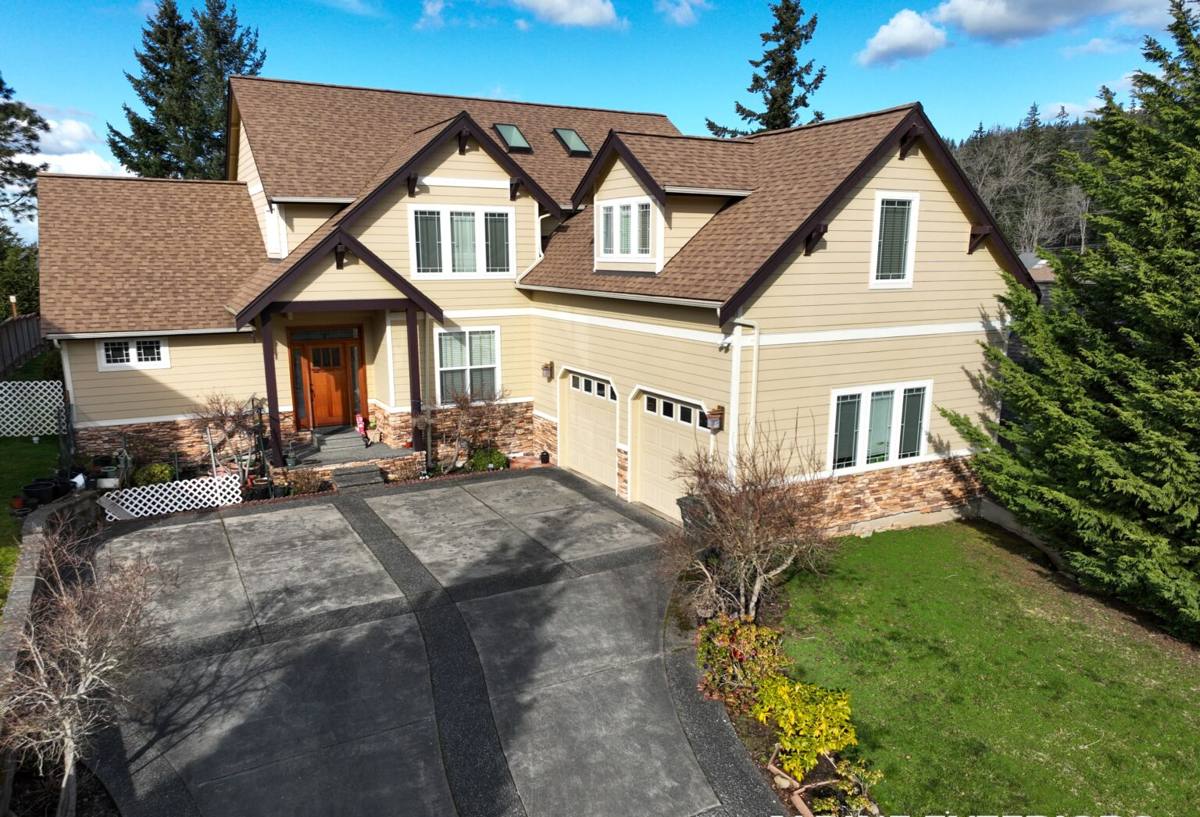
Why Redington Shores Roofs Wear Differently
Hurricane-force wind
Redington Shores sits directly on the Gulf side of the barrier islands, which means it takes the first hit from onshore wind with nothing to slow it down. Sustained wind and hurricane-force gusts get under shingle tabs, work fasteners loose over time, and stress ridge caps and edge metal — the parts of a roof most likely to fail first. Even outside of named storms, everyday gusty afternoons add up.
Intense, year-round UV
Florida sun is hard on roofing material every month of the year, not just summer. UV exposure dries out asphalt shingles, breaks down sealant strips, and makes underlayment brittle faster than in most parts of the country. A roof that looks fine from the ground can already have UV-damaged material that won't hold a repair well.
Wind-driven rain
Rain that comes in sideways finds weaknesses that straight-down rain never would — under a slightly lifted shingle edge, around a loose vent boot, into a flashing seam that's a little short. Most of the leaks we get called out for on the barrier islands trace back to wind-driven rain finding a small gap that wouldn't matter in calmer weather.
Salt air
Being this close to the Gulf means constant salt exposure. Salt accelerates corrosion on exposed metal — nail heads, flashing, vent stacks, gutter hardware — well ahead of what you'd see a few miles inland. A repair that uses standard fasteners or flashing without accounting for that will corrode and fail sooner than it should.
The Repairs We See Most Often on the Shores
- Wind-lifted or missing shingles after a storm system or a run of gusty days, often starting at roof edges and ridges
- Flashing failures around chimneys, skylights, and roof-to-wall transitions where sealant has dried out
- Cracked or shrunk pipe boots around plumbing vents — a common, easy-to-miss leak source
- Valley leaks where two roof planes meet and water volume is highest during heavy rain
- Corroded fasteners and flashing from long-term salt air exposure, even where the roofing material itself still looks okay
- Granule loss and UV-brittle shingles that crack or curl instead of flexing in the wind
What a Correct Repair Actually Involves
Diagnosis before patching
A leak inside the house doesn't always show up directly below the roof problem — water travels along decking and framing before it drips. A correct repair starts with finding the actual entry point, not just patching where the stain appears. That sometimes means checking the attic, tracing flashing lines, and looking at the roof from more than one angle.
Matching materials, not just covering the spot
Repairs should use compatible shingle profiles, weights, and fastening patterns so the patched area performs the same as the rest of the roof — not a mismatched section that stands out and ages differently. On tile roofs, that means matching profile and set pattern so the repaired area sheds water the way it was designed to.
Flashing and underlayment, not just the top layer
A shingle or tile is only the visible surface. Most leaks trace back to flashing, underlayment, or sealant underneath, not the shingles themselves. A repair that only replaces what's visible without addressing what's underneath is a temporary fix, not a real one — and on a salt-air, high-wind roof, temporary fixes don't hold long.
Deck condition
Any time we're repairing an area with a history of water intrusion, we check the roof decking underneath. Soft, delaminated, or water-damaged decking needs to be addressed before new roofing goes back on — otherwise the repair has nothing solid to fasten to.
Our Repair Process
- Inspection. We look at the reported problem area and the roof as a whole, since wind and UV damage rarely stay isolated to one spot.
- Straight explanation. We tell you what's actually wrong, what it will take to fix it correctly, and what it will cost — before any work starts.
- Repair. We remove and replace only what needs it, using materials that match the existing roof and are rated for the wind and weather this area sees.
- Flashing and seal check. We verify flashing, underlayment, and sealant in the repaired area are sound, not just the surface layer.
- Cleanup and walk-through. We clear debris and go over what was done so you know exactly what was fixed and why.
Repair Types and What Drives the Cost
| Repair Type | What's Involved | What Affects Cost |
|---|---|---|
| Isolated shingle repair | Replacing a handful of wind-damaged or missing shingles | Number of shingles, roof pitch, and access |
| Flashing repair | Resealing or replacing flashing at chimneys, walls, or skylights | Flashing material, extent of corrosion, complexity of the transition |
| Vent boot / penetration repair | Replacing cracked or shrunk boots around pipes and vents | Number of penetrations, roof material around them |
| Valley repair | Addressing leaks where two roof planes meet | Length of valley, underlayment condition, water volume the valley handles |
| Deck repair + reroof section | Replacing damaged decking before reinstalling roofing | Extent of decking damage, size of the affected section |
Small, isolated repairs on a barrier island home often run in the low hundreds of dollars. Anything involving flashing rework, deck repair, or a larger affected area climbs from there — we won't give a real number without seeing the roof, but we'll always explain what's driving the price before we start.
Practical Note on Barrier Island Access
Redington Shores homes are often narrow-lot properties with limited staging space and, in some cases, elevated or stilt construction. That affects how we set up ladders, lifts, and material staging — something worth factoring in when comparing a quote from a crew that regularly works the Shores against one that doesn't.
Signs You Need a Roof Repair Now, Not Later
- Missing, curled, or visibly lifted shingles, especially along edges and ridges
- Granules collecting in gutters or at the base of downspouts
- Water stains on interior ceilings or upper walls
- Soft or spongy spots when the roof is walked
- Visible daylight through the attic roof deck
- Rust staining running down from flashing or vent stacks
- Sealant around penetrations that's cracked, shrunk, or pulling away
- A recent wind event followed by any new drip, stain, or musty smell indoors
None of these mean the whole roof needs replacing — but all of them mean it's worth having someone look before the next storm turns a small repair into a bigger one.
Repair or Replace? How We Help You Decide
Not every damaged roof needs full replacement, and we're not going to tell you it does. If the roof is reasonably young, the damage is isolated, and the decking underneath is sound, a proper repair is the right call and the honest recommendation. If the roof is old, has been patched repeatedly in different spots, or the decking shows widespread damage, we'll say so directly — a string of repeat repairs on a roof near the end of its service life usually costs more over time than planning for replacement. Either way, we walk you through what we actually see and let you make the call with real information, not a sales pitch either direction.
Why a Crew That Already Works Redington Shores Matters
Roofing rules and realities shift once you're on the barrier islands. Permitting runs through Pinellas County and, depending on the address, may involve additional local requirements specific to Redington Shores. Many properties here are part of condo associations or HOAs with their own approval steps for exterior work. Wind mitigation documentation matters more here too — insurers pay close attention to roof condition and fastening on Gulf-front homes, and a repair done to the right standard can matter at renewal time.
A crew that's already familiar with these details doesn't need to learn them on your project. We know what Pinellas County inspectors look for, we're used to coordinating with island HOAs, and we understand that a "quick patch" mentality doesn't hold up against sustained coastal wind and salt exposure. That local familiarity is the difference between a repair that lasts and one you'll be calling about again next season.
If you're dealing with a leak, storm damage, or a roof that's just showing its age in Redington Shores, we're happy to take a look. Reach out for a free, no-pressure estimate — we'll give you a straight assessment of what's going on and what it would take to fix it right, no obligation either way.