 Seminole Siding
 Storm Damage Roofing in Redington Shores
Redington Shores sits on the barrier island strip between the Gulf of Mexico and Boca Ciega Bay, which means every roof here takes a harder beating than one just a few miles inland in Seminole proper. Homes and condos on this stretch of Pinellas County face a steady combination of salt-laden air, direct Gulf wind exposure, and the full brunt of any storm that tracks up the coast. When a roof takes damage out here — whether from a named storm, a summer squall line, or months of accumulated wind and sun stress — the repair needs to account for that exposure, not just patch what's visible.
We're a Seminole-based crew, and Redington Shores is part of our regular service area. That matters more than it sounds like it should. A roof on a barrier island doesn't fail the same way a roof five miles inland does, and a crew that only shows up here once in a while doesn't always know the difference.
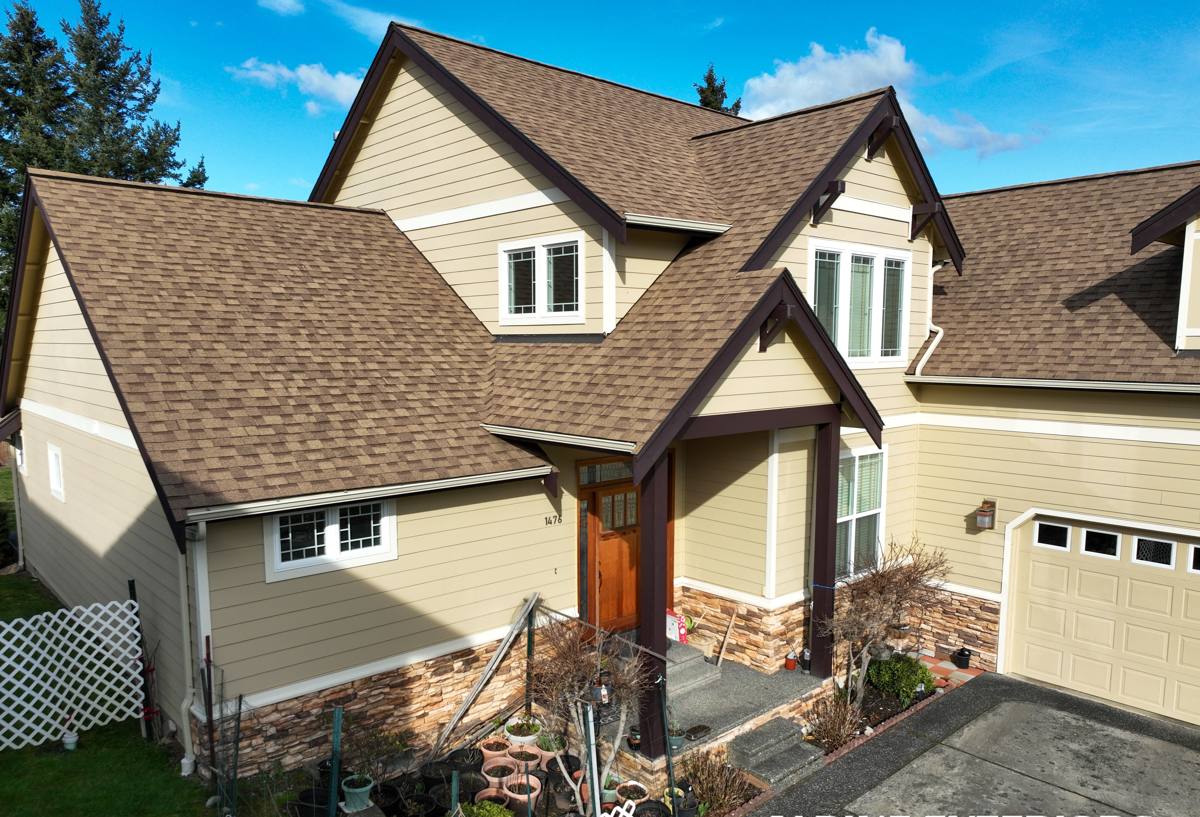
Why Redington Shores Roofs Take Extra Damage
Wind Exposure Off the Gulf
Redington Shores has almost no wind buffer between the Gulf of Mexico and the rooftops. Sustained coastal wind, combined with gusts during storms, works shingles and tile loose at the edges and ridges first — the parts of the roof with the least support underneath them. Once wind gets under an edge, it doesn't take a hurricane to cause real damage; a strong seasonal system can do it too.
Salt Air and Corrosion
Salt air corrodes metal faster than almost anything else in this climate. Roofing nails, flashing, drip edge, and any exposed fasteners on a barrier island roof corrode noticeably faster than the same materials would inland. A repair that uses standard fasteners instead of corrosion-resistant ones might hold for a season or two before it starts failing again — which is a common reason we find "already repaired" roofs that need to be redone properly.
Wind-Driven Rain
It's rarely rain falling straight down that causes leaks here — it's rain being driven sideways and upward under shingle edges, around vent boots, and into any gap in flashing. A roof can look fully intact after a storm and still be letting water in at a dozen small points that only show up as a stain on a ceiling weeks later.
Year-Round UV
Florida's UV exposure runs strong nearly all year, and it doesn't take a break for the off-season. UV breaks down asphalt shingle oils and dries out sealant over time, which is why roofs here often show granule loss and brittle shingles well before their rated lifespan would suggest. A roof that's already UV-stressed is much more likely to sustain real damage in a storm that a fresher roof would shrug off.
What "Correct" Storm Damage Repair Actually Involves
A lot of storm repair work in this area is done fast, cheap, and visually — patch what's obviously missing, caulk what's obviously open, and move on. That approach tends to leave the underlying problem in place. A correct repair starts with figuring out what actually happened to the roof, not just what's visible from the ground or a quick walk of the roof edge.
Step 1: Full Roof Assessment, Not a Glance
We inspect the whole roof system — shingles or tile, underlayment where it's exposed, flashing around every penetration (vents, chimneys, skylights), valleys, ridge caps, and the fascia and soffit line. Storm damage is frequently worse at connection points than in open field areas, so those get specific attention.
Step 2: Identify the Water Path, Not Just the Symptom
A ceiling stain in one room doesn't always mean the leak is directly above it — water can travel along rafters or decking before it shows up. We trace damage back to its actual entry point rather than just sealing the spot closest to the visible symptom.
Step 3: Check the Decking
If water has been getting in for any length of time, the roof decking underneath may be soft, delaminating, or rotted. Shingles laid over damaged decking will fail again quickly. Any repair that skips checking decking condition is incomplete.
Step 4: Repair With Coastal-Grade Materials
On a barrier island property, we use corrosion-resistant fasteners and flashing rated for coastal exposure, not standard-grade materials that will corrode faster in the salt air. This is a small cost difference at repair time and a large difference in how long the repair lasts.
Step 5: Confirm the Fix
After the repair, we check that flashing is properly sealed, shingles or tiles are secured to the substrate correctly, and there are no remaining gaps at transitions — the places most storm leaks actually originate.
Common Storm Damage We See on Redington Shores Roofs
- Lifted or missing shingles along ridges, hips, and roof edges where wind uplift is strongest
- Cracked, slipped, or displaced roof tiles from wind or wind-blown debris
- Torn or lifted flashing around chimneys, vent pipes, and skylights
- Granule loss and exposed mat on shingles from UV breakdown combined with wind abrasion
- Soft or damaged decking discovered under shingles that looked intact from above
- Corroded fasteners and flashing on older repairs that used standard, non-coastal-rated materials
- Debris impact damage — dents, punctures, or cracked tiles from wind-carried branches or debris
- Water staining or active leaks inside the home that trace back to small gaps at penetrations
Repair vs. Replacement: How We Make That Call
Not every storm-damaged roof needs to be replaced, and not every roof can be safely patched back together. The right call depends on the roof's age, how widespread the damage is, and what condition the decking is in underneath.
| Factor | Leans Toward Repair | Leans Toward Replacement |
|---|---|---|
| Roof age | Under 10-12 years, otherwise sound | Nearing or past expected lifespan |
| Damage extent | Isolated to specific areas | Widespread across multiple roof planes |
| Decking condition | Solid, no rot or delamination | Soft, rotted, or repeatedly wet |
| Prior repair history | First significant repair | Multiple past patches failing again |
| Material match | Matching shingles/tile still available | Discontinued material, visible mismatch |
We'll give you a straight answer on which side of that line your roof falls on, and why — not a default push toward the more expensive option.
What to Do Right After a Storm
- Check for visible damage from the ground first — don't get on the roof yourself
- Look inside for ceiling stains, especially near chimneys, skylights, and exterior walls
- Photograph any visible damage, debris on the roof, or gutter debris from the roof itself
- Cover any active interior leak point with a container and towels to limit water damage
- Avoid walking on a wet or storm-damaged roof — loose or weakened areas aren't always visible
- Call for an assessment promptly — a small storm-damaged area can worsen quickly if it sits through the next rain
Insurance and Storm Repair
Many storm repairs on Pinellas County homes involve an insurance claim. We can document the damage we find with photos and a written assessment that supports your claim, and we're glad to work alongside your adjuster's inspection. We won't inflate a claim or invent damage that isn't there — an honest, well-documented assessment tends to hold up better with insurers than an exaggerated one, and it's the only way we do business.
Why a Local Redington Shores Crew Matters
Being based in Seminole and working this area regularly means we already understand how Redington Shores roofs are built, what materials tend to be used on the island's homes and condos, and how quickly coastal exposure ages a repair that wasn't done with the right materials. We're not learning the area on your roof. When a storm comes through, a crew already established locally can typically respond faster than one dispatching a truck from across the county — and we're not going anywhere after the job is done if a follow-up question comes up.
Maintaining Your Roof Between Storms
A roof in this climate benefits from periodic checks even when nothing obvious has gone wrong. Salt air corrosion and UV wear happen gradually, and catching a lifted shingle edge or a cracked pipe boot before the next storm season is far cheaper than repairing the water damage that follows if it's left alone. If it's been a while since your roof was actually inspected up close rather than just glanced at from the yard, that's worth doing before hurricane season peaks, not after.
If your Redington Shores roof has storm damage, or you're not sure whether what you're seeing needs attention, we're happy to take a look. We offer free, no-pressure estimates — use the form below to get one scheduled.