 Seminole Siding
 Redington sits in the stretch of Pinellas County closest to the Gulf, just west of Seminole across the Intracoastal, and that position changes what a siding installation actually needs to hold up to. Homes here take hurricane-force wind events most years, intense UV exposure every day of the year, wind-driven rain that finds any weak seam or joint, and salt air that never really stops working on a building envelope. Siding that would coast along fine a few miles inland can start failing early in Redington if it wasn't built or installed with this specific exposure in mind. This page walks through what that climate does to siding, what a correct installation looks like in response, and why our crews install exclusively James Hardie fiber cement on homes in this area.
What Makes Redington's Exposure Different
Every home in the Seminole area deals with Florida's climate, but Redington's closeness to the Gulf pushes several of those stresses to their most intense point. A home a mile or two inland gets some buffer from tree cover, denser development, and simple distance from open water. A home in Redington generally doesn't get that buffer — wind loads arrive closer to their full strength, salt-laden air settles on every exterior surface more consistently, and there's less to break up sustained gusts during a storm event. None of that makes siding a bad investment here; it just means the product and the installation both need to be matched to real coastal conditions rather than a generic statewide standard.
Building Stock
Redington's housing ranges from older beach-area homes built decades ago under much lighter code requirements to newer or renovated properties built to current wind standards. Older homes often carry original siding that was never rated for today's wind-borne debris and fastening requirements, and even homes that have already been re-sided once may have been done with a product or installation method that wasn't built for this specific location. Knowing which situation we're walking into changes how we approach tear-off, sheathing inspection, and the fastening plan.
Storm Exposure
Redington's proximity to open Gulf water means it's among the first areas in the county to feel a storm's wind and rain, and among the areas most likely to see sustained hurricane-force gusts rather than a weakened, inland version of the same event. That's the baseline a siding installation here has to be engineered around, not an occasional worst-case scenario.
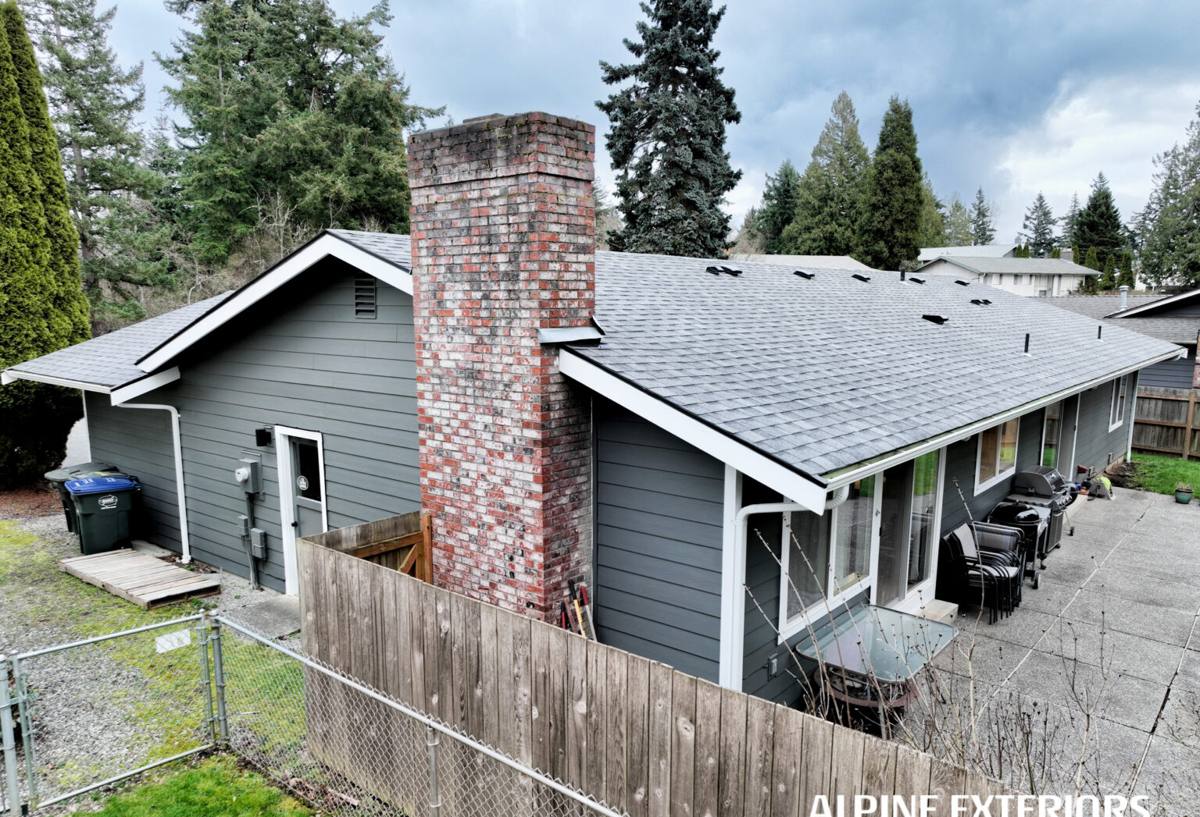
What the Climate Actually Does to Siding Here
UV Load
Florida's sun angle and long day length mean siding on a Redington home absorbs a heavy cumulative dose of UV every year, and that exposure is even less interrupted here than on a shaded inland lot. On lower-grade paints and coatings, UV breaks down pigment binders over time, which shows up as chalking, fading, and uneven color loss — usually worst on the sun-facing side of the house long before the shaded side shows any wear at all.
Wind-Driven Rain
Straight-down rain is manageable for almost any siding product. Rain driven sideways by 40, 50, or 60-plus mph wind is a different problem — it finds gaps at butt joints, fastener penetrations, and trim intersections that a calm rain would never test. Homes closest to the Gulf feel that pressure at closer to full force, which is exactly why flashing and joint treatment matter more here than in a more sheltered part of the county.
Salt Air
Airborne salt is a constant in Redington rather than an occasional coastal condition. It accelerates corrosion on exposed metal fasteners, trim, and hardware, and it can degrade lower-quality coatings and adhesives over years of steady exposure. It's a slow, cumulative process, but it's a major reason fastener choice and finish quality get more attention on a Gulf-adjacent installation than they would further inland.
Humidity and Heat Cycling
Hot, humid days followed by warm, wet nights mean siding materials in this area are almost always expanding, contracting, or holding some amount of moisture. Products that absorb water don't get much chance to fully dry out between rain events, which is central to why we're selective about what we install here.
Warning Signs Redington Homeowners Should Watch For
Most siding failures in this area don't happen suddenly — they show up as small signals well before a full replacement becomes urgent. Worth a professional look if you notice:
- Paint that's chalking, fading unevenly, or peeling faster on the sun-facing side of the house
- Soft or spongy spots when pressing on siding near windows, doors, or the lowest courses
- Visible gaps, warping, or buckling in panels, especially right after a storm
- Rust streaks or visible corrosion around fasteners, trim, or flashing
- Musty odors or staining on interior walls that back up to exterior siding
- Siding that's 20-plus years old with no documented replacement or major repair history
None of these signs automatically mean a full tear-off is necessary, but in a location that takes this much wind and water exposure every year, they're worth checking before the next storm season rather than after water has already worked into the sheathing.
What a Correct Siding Installation Involves Here
Tear-Off and Inspection
Every project starts with removing the existing siding and actually looking at the sheathing underneath, not assuming it's sound because the surface looked fine. On older Redington homes especially, this step often turns up soft or rotted sheathing around window and door openings, or at roof-to-wall transitions, that needs to be repaired before anything new goes up.
Water-Resistive Barrier and Flashing
A correctly installed water-resistive barrier, with flashing properly lapped at every window, door, and roofline penetration, is what actually keeps wind-driven rain out of the wall assembly. This detail work is invisible once the siding is up, but it's the difference between a home that stays dry through hurricane season and one that develops slow leaks nobody notices until interior damage shows up.
Fastening for the Local Wind Zone
Redington's wind exposure calls for fastener type, spacing, and embedment that meet Pinellas County's wind zone requirements, not a generic national minimum. Getting this wrong doesn't usually show up on install day — it shows up two or three storms later, when siding that was under-fastened for its actual location starts coming loose.
Joint Treatment and Trim
Butt joints, corner boards, and trim intersections are where wind-driven rain and salt air do the most damage over time if they're not sealed and detailed correctly. We follow James Hardie's published joint-treatment and clearance specifications closely, because that documentation exists precisely to address the conditions Redington homes face every year.
Why We Install Only James Hardie Fiber Cement
We're asked regularly why we don't also offer vinyl, LP SmartSide, or other fiber cement brands like Cemplank or Allura. The honest answer is that we standardized on one product because we'd rather install it to a consistently high standard than spread our crews across several products with different installation quirks, especially in a location as demanding as Redington.
Vinyl is inexpensive and low-maintenance in milder climates, but it hangs on the wall rather than being rigidly fastened flat, and that same designed looseness makes it more vulnerable to being torn loose in sustained hurricane-force gusts. Engineered wood products like LP SmartSide have a real track record, but they're still wood-fiber at their core — in a climate where surfaces rarely get a full chance to dry out, any break in the factory edge seal creates an entry point for moisture to wick into the wood core. Other fiber cement brands aren't engineered identically to James Hardie; we chose Hardie specifically for its HZ5 product line, built for higher-humidity, higher-moisture climates like this one, its factory-applied ColorPlus finish that resists the fading and chalking plain field-painted siding shows under Florida sun, and the strength of its installation documentation and warranty backing.
Comparing Siding Options for a Redington Home
| Factor | Vinyl | Engineered Wood | James Hardie Fiber Cement |
|---|---|---|---|
| Wind performance in hurricane-force gusts | Can be torn loose in sustained high winds | Solid when properly fastened and sealed | Rigid, mechanically fastened, engineered for wind zones |
| Behavior under constant UV | Can fade and become brittle over years | Factory finish varies by manufacturer | ColorPlus finish resists fading and chalking |
| Moisture and humidity tolerance | Doesn't rot, but traps humid air behind it | Wood-fiber core can swell if edge seal is compromised | Non-organic, doesn't swell or support rot |
| Salt air exposure | Generally stable; fasteners can still corrode | Generally stable; fasteners can still corrode | Generally stable; correct fastener spec matters |
| Combustibility | Can melt or deform under extreme heat | Combustible (wood-based) | Non-combustible |
Our Installation Process, Start to Finish
- Exterior walk-through — we look at current siding condition, check for soft spots, and evaluate flashing at roof-to-wall transitions before quoting anything
- Honest estimate — a straightforward number based on what we actually see, with the reasoning explained, not a lowball figure that grows once work starts
- Tear-off and sheathing inspection — old siding comes off, and any rot or damage underneath gets repaired before new material goes up
- Barrier and flashing installation — water-resistive barrier and properly lapped flashing at every penetration, the part that determines long-term dryness
- Hardie installation to spec — plank, panel, or shingle siding fastened per manufacturer documentation and local wind code
- Trim and finish work — corner boards, fascia, and joint sealing to match the chosen product line
- Final walkthrough — covering caulking, paint touch-up needs, and ongoing care specific to this exposure
What Affects the Cost of a Siding Project Here
| Factor | Why It Changes the Price |
|---|---|
| Home size and number of stories | More surface area and taller walls mean more material and labor time |
| Existing sheathing condition | Rot or storm damage found during tear-off adds repair work before new siding goes up |
| Amount of trim and detail work | Corner boards, fascia, and architectural details take more time to fit and finish correctly |
| Product line and profile chosen | James Hardie's plank, panel, and shingle lines carry different material costs |
| Access and site conditions | Setbacks, landscaping, and proximity to neighboring structures affect how straightforward the job is |
Why Hiring a Crew That Already Works Redington Matters
Siding performance comes down to details that never show up in a walkthrough after the job is done — how far flashing is lapped, how much clearance is left at the bottom course, whether cut ends are sealed before installation, whether fasteners are driven to the correct depth for this wind zone. A crew that works Redington and the surrounding Seminole area regularly has already seen how those details hold up, or fail to, under this exact combination of wind, salt, and UV exposure. That experience matters more here than it would in a milder market, because the margin for error is smaller — this location tests weak points that a calmer climate might let slide for years before anything shows.
It also matters for permitting. Pinellas County's wind zone requirements affect fastening schedules and product specifications, and a contractor who pulls permits in this area regularly knows what local inspectors expect, rather than defaulting to a generic out-of-state standard.
Roofing, Windows, and Decks Alongside Siding
Siding problems in coastal areas like Redington rarely stay isolated from the rest of the building envelope. We also handle roofing, windows, and decks, because a roof-to-wall flashing issue is really a siding issue too, and window flashing integration determines whether new siding stays dry around openings. When we quote a siding project here, we look at the whole envelope and tell you honestly if something else needs attention first, rather than quoting a wall surface in isolation.
If you're in Redington or elsewhere around Seminole and thinking about siding — whether you're dealing with a specific problem or planning ahead of the next storm season — we're glad to take a look and give you a straightforward, no-pressure estimate using the form below.