 Seminole Siding
 Windows in Redington Take a Different Kind of Beating
Redington sits close enough to the Gulf that salt air, wind-driven rain, and storm exposure are part of daily life, not an occasional event. Homes here deal with a combination most inland Florida properties never see at the same intensity: hurricane-force wind loads during storm season, near-constant UV breakdown of seals and finishes the rest of the year, and a steady drip of salt-laden moisture that finds its way into any gap a window installer left loose. None of that is exotic information to a Seminole-area contractor — but it changes what "correct installation" means. A window that would perform fine in a dry inland climate can fail here in a few years if the flashing, fastening, and sealant details aren't matched to this specific environment.
This page is about one job, done in one area: window installation for homes in and around Redington. Not a general overview of every siding or exterior service we offer — just what goes into replacing or installing windows correctly on a property that has to hold up to Pinellas County's coastal weather year after year.
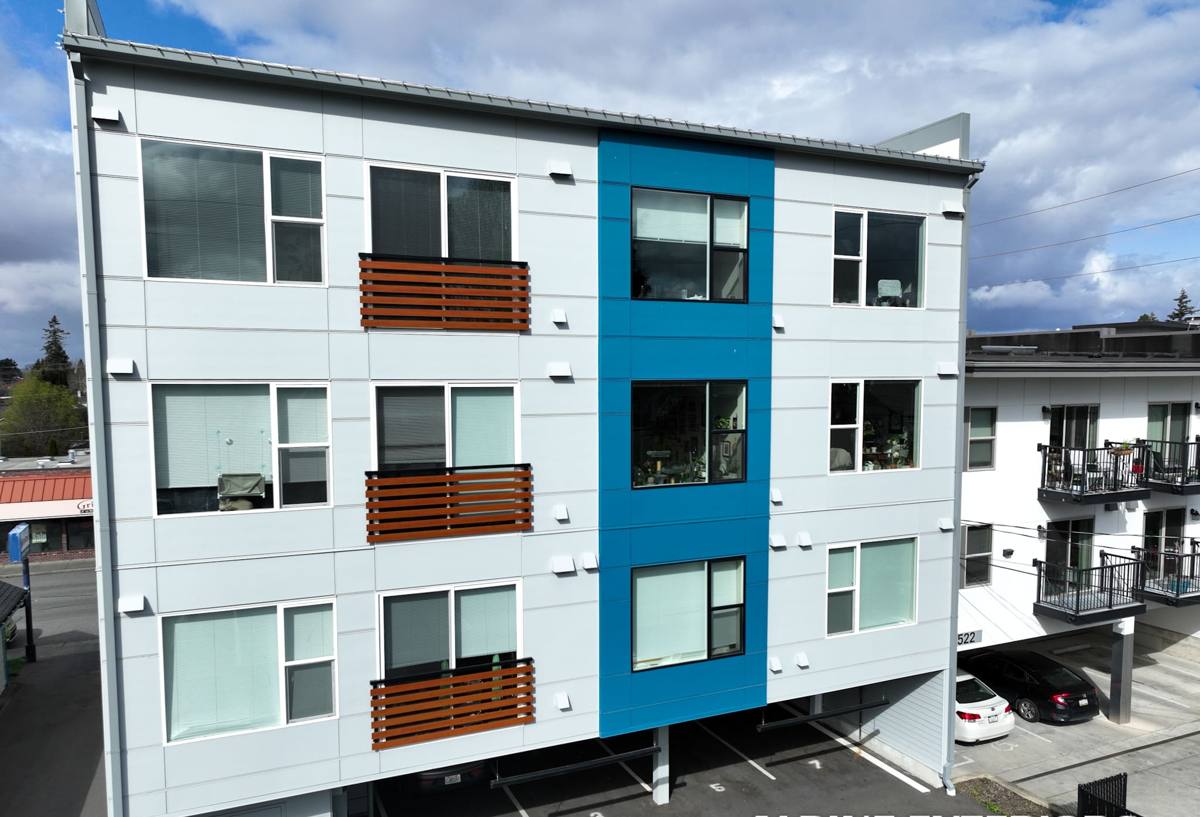
What a Correct Window Installation Actually Involves
Window installation looks simple from the outside — old window out, new window in — but the parts nobody sees are what determine whether that window is still watertight in five years or leaking into the wall cavity. Here's what we actually do at each stage.
Opening Prep and Removal
Before a new window goes in, the old one has to come out clean, and the rough opening has to be inspected — not assumed to be sound. In coastal homes we regularly find sill damage, soft framing, or old sealant that failed years before anyone noticed a leak indoors. Any rot or compromised wood gets addressed before the new unit ever goes in. Installing a new window into a bad opening just hides the problem behind trim.
Flashing and Waterproofing
This is the step that separates a window that survives wind-driven rain from one that doesn't. Proper flashing — sill pan, side flashing, and head flashing installed in the right shingle-lap order — directs any water that gets past the window itself back out, instead of into the wall. Skipping or shortcutting flashing is the single most common cause of hidden water damage behind exterior walls, and it's invisible until the drywall or sheathing starts to show it.
Fastening and Shimming
A window has to be shimmed level, plumb, and square, then fastened per the manufacturer's schedule — not just "screwed in enough to hold." In a wind event, an improperly fastened window is a weak point in the whole wall system, and it's also the detail inspectors check first if a permit is pulled.
Sealing and Finish
The visible sealant bead is the last line of defense, not the first — but it still has to be done right, with the correct exterior-grade sealant applied to clean, dry surfaces. UV exposure in this part of Florida breaks down cheap or improperly applied sealant faster than almost anywhere else in the country, which is why the sealant choice and the prep underneath it both matter.
Impact-Rated vs. Standard Windows
Pinellas County sits in a wind-borne debris region, which affects what code allows and what actually makes sense for a Redington property. Impact-rated windows aren't required on every job, but they're worth understanding before you decide.
| Factor | Impact-Rated Windows | Standard Windows + Shutters |
|---|---|---|
| Storm protection | Built into the glass and frame, always in place | Requires shutters to be installed before each storm |
| Upfront cost | Higher per opening | Lower window cost, but shutter cost adds up |
| Daily use | No prep needed before a storm | Manual shutter installation required each time |
| Insurance impact | May qualify for wind mitigation credits | Depends on shutter type and documentation |
| UV and noise performance | Laminated glass also cuts UV transmission and outside noise | Standard glass offers less UV/noise reduction |
Neither option is wrong — it depends on budget, how the home is used, and whether wind mitigation savings on insurance make the impact-rated route pay for itself faster. We'll walk through the real numbers for your specific home rather than push one option across the board.
Signs a Redington Home's Windows Need Attention
Coastal wear doesn't always show up as an obvious leak. Some signs to watch for between now and your next hurricane season:
- Fogging or condensation between panes on double-pane windows — the seal has failed
- Sticking, dragging, or windows that won't latch fully closed
- Visible daylight or a draft around the frame when the window is shut
- Soft or discolored drywall/trim near a window, especially after heavy rain
- Chalky, cracked, or missing exterior sealant around the frame
- Frames that have warped, pitted, or corroded from salt air exposure
- Noticeably higher cooling bills without another explanation
Any one of these on its own might not mean a full replacement is needed — but ignoring several of them at once usually means water is already getting somewhere it shouldn't.
Our Process, Start to Finish
- Free on-site estimate. We look at each opening, not just the house in general — sun exposure, wind exposure, and existing frame condition all vary window to window.
- Honest product recommendation. Impact-rated or standard, vinyl or another frame material — based on your budget and how the home is used, not a one-size answer.
- Permitting. Window replacement in Pinellas County typically requires a permit and inspection. We handle that paperwork so you don't have to chase it down.
- Removal and opening inspection. Old windows come out, and we check the framing and sill before anything new goes in.
- Installation with proper flashing. Sill pan, side and head flashing, correct fastening schedule — the steps that actually determine long-term performance.
- Sealing and finish work. Exterior-grade sealant, trim reinstalled or replaced as needed, site cleaned up.
- Final inspection. Where required, we coordinate the county inspection so the job is documented as code-compliant.
Permits, Codes, and Wind Mitigation
Florida's building code in wind-borne debris regions like Pinellas County sets minimum standards for window performance, and Seminole's local permitting process enforces it. That's not paperwork for its own sake — it's the difference between a window that's documented to perform in a storm and one that isn't. A permitted, inspected installation also matters at resale and for insurance: a wind mitigation inspection looks specifically at documented opening protection, and undocumented DIY or unpermitted work can complicate both a claim and a home sale down the line. We pull permits as part of the job and keep the documentation homeowners need for their own records.
Why a Crew That Already Works Redington Matters
General contractors from outside the area can install a window. What they usually don't have is a working sense of how a specific coastal microclimate behaves — how much salt exposure a west-facing window takes near the water versus a few miles inland, which flashing details actually hold up to Gulf-driven storms, or what Pinellas County's permitting office expects to see on an inspection. A crew that regularly works Redington and the surrounding Seminole area has already made — and corrected — the mistakes that come from treating every job the same regardless of location. That familiarity shows up in fewer callbacks, fewer surprises during inspection, and windows that are specified correctly the first time instead of upgraded after a storm proves the standard option wasn't enough.
Frame Materials Worth Considering
Vinyl remains the most common frame choice for Florida coastal replacements because it doesn't corrode and handles humidity well, but not all vinyl is equal — wall thickness and reinforcement matter more here than in a milder climate. Aluminum frames are strong and slim-profile but conduct heat and can corrode near salt air over time without proper coating. Fiberglass costs more upfront but resists warping and UV degradation better than either alternative. We'll talk through which frame material fits your budget and how exposed the specific opening is, rather than defaulting to one option for the whole house.
Get a Straight Answer on Your Windows
If you're dealing with a window that's fogging, sticking, leaking, or just old enough that you're wondering whether it'll hold up through another storm season, we're happy to take a look. The estimate is free, there's no pressure, and you'll get a straight answer about what your home actually needs — not an upsell. Fill out the form below and we'll get in touch to schedule a time to come out.