 Seminole Siding
 Roofing in Ridgecrest Has Its Own Set of Demands
Ridgecrest homes sit in one of the toughest climates in the country for a roof to survive. Pinellas County gets the full package: hurricane-force wind gusts during storm season, intense UV exposure nearly every day of the year, wind-driven rain that finds every gap in flashing and underlayment, and a steady dose of salt air rolling in off the Gulf. None of these forces are dramatic on their own, day to day. What they do is add up, quietly, until a roof that looked fine from the driveway is actually failing underneath.
A roof replacement done right in this neighborhood isn't just about swapping old shingles for new ones. It's about building an assembly — deck, underlayment, flashing, ventilation, and covering — that's matched to what Ridgecrest actually throws at it. That's the standard we hold every job to.
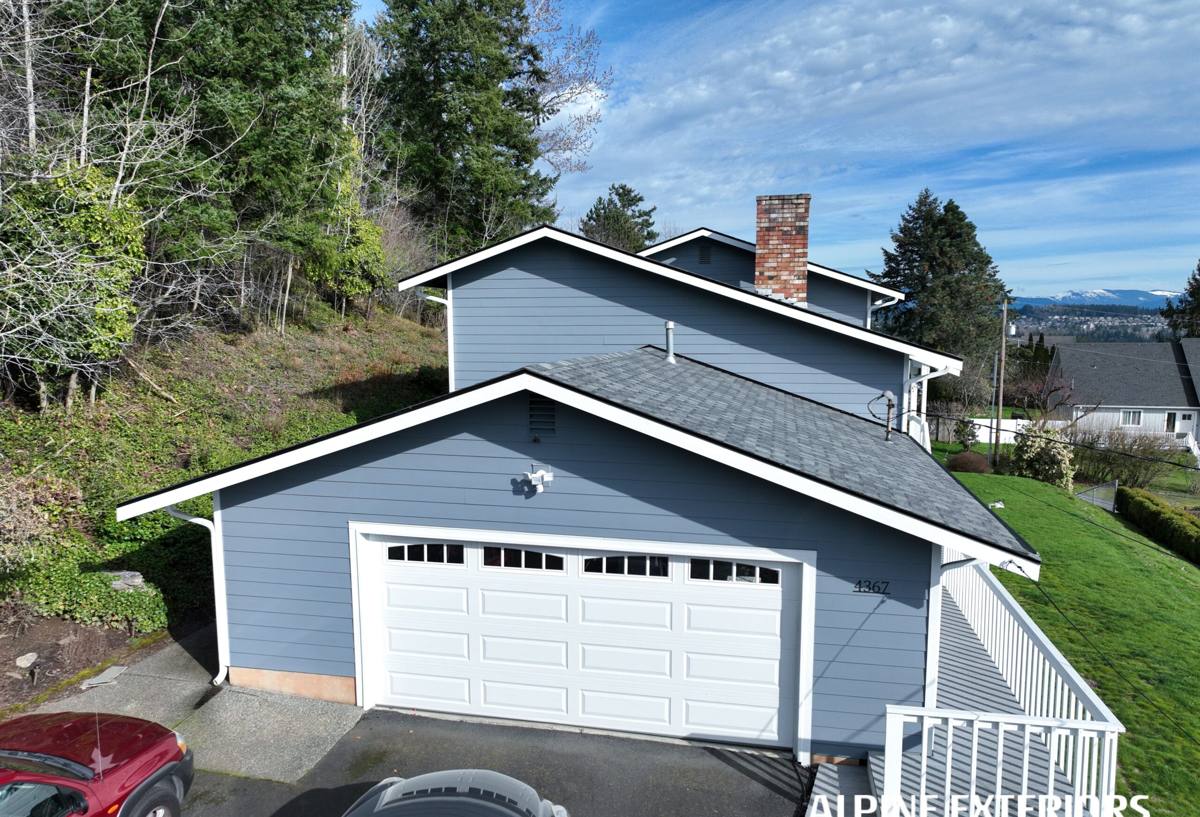
How Florida Climate Actually Breaks Down a Roof
UV and Heat
Constant sun exposure dries out asphalt shingles and breaks down the oils that keep them flexible. Over years, this shows up as granule loss, curling edges, and shingles that crack instead of flexing when wind lifts them. Dark-colored roofing also absorbs more heat, which can accelerate this aging and push attic temperatures higher.
Wind-Driven Rain
Straight-down rain is easy for most roofs to shed. Wind-driven rain is a different problem — it gets pushed sideways and even slightly upward under shingle edges, around vent pipes, and along flashing seams. If the underlayment and flashing details aren't installed correctly, this is exactly how water ends up in an attic or ceiling long before any shingles are visibly missing.
Hurricane and High-Wind Gusts
Roofs here need to resist uplift, not just shed water. Nail pattern, fastener count, and shingle wind rating all matter more in Seminole than they would inland. A roof installed to minimum spec in a low-wind region simply isn't built for what comes through Pinellas County in an active storm season.
Salt Air
Being close to the Gulf means airborne salt settles on roofing materials and metal components over time. It accelerates corrosion on exposed fasteners, flashing, and any lower-grade metal, which is why material choice and detailing at penetrations matter more here than they would further from the coast.
What a Correct Roof Replacement Actually Involves
A roof replacement is only as good as what's underneath the shingles. Anyone can lay new material over an old deck and have it look fine for a photo. Whether it holds up through a few hurricane seasons depends on the parts you can't see once the job is done.
- Full tear-off to bare deck — never a layover on top of existing roofing
- Deck inspection and repair of any soft, rotted, or delaminated sheathing before anything new goes down
- Underlayment rated for wind-driven rain, installed with correct overlap and fastening
- New flashing at every valley, wall intersection, chimney, and roof-to-wall transition — old flashing does not get reused
- Proper nail count and placement matched to the shingle manufacturer's high-wind installation instructions
- Balanced attic ventilation so heat and moisture can actually escape instead of cooking the deck from underneath
- Corrosion-resistant fasteners and metal components suited to a salt-air environment
Skip any one of these and the roof might still look right for a year or two. It's the underlayment quality, the flashing details, and the fastening pattern that decide how it performs when a real storm hits.
Signs a Ridgecrest Roof Needs Replacement, Not Another Repair
Not every roofing issue means a full replacement. But there's a point where repeated repairs stop making financial sense and start masking a bigger problem. Some signs worth taking seriously:
- Granules collecting in gutters or at downspout outlets in noticeable amounts
- Shingles that are curling, cupping, or cracking across multiple areas of the roof, not just one spot
- Soft spots in the decking when walked, or visible sagging along the roofline
- Recurring leaks in the same general area even after past repairs
- A roof approaching or past the manufacturer's expected service life for this climate
- Visible daylight through the roof deck from inside the attic
If a roof is showing one or two of these in isolation, a targeted repair may still be the right call. When several show up together, that's usually the underlayment and deck telling you they've had enough.
Material Options for Ridgecrest Homes
There's no single "best" roofing material for every home — the right choice depends on budget, roof pitch, HOA or architectural expectations in the neighborhood, and how long you plan to stay in the home. Here's how the common options compare for this climate:
| Material | Wind Performance | Maintenance | Typical Lifespan Here |
|---|---|---|---|
| Architectural (laminate) asphalt shingle | Good, when installed to high-wind spec | Low | 15–25 years |
| 3-tab asphalt shingle | Lower wind rating than architectural | Low | 12–18 years |
| Metal roofing (standing seam) | Excellent | Low, watch fastener and coating condition over time | 30–50 years |
| Concrete or clay tile | Good when properly fastened, but heavy and repair-sensitive | Moderate — cracked or slipped tiles need prompt attention | 30–50 years, underlayment often needs replacement sooner |
Whatever material a homeowner chooses, we're honest about trade-offs rather than steering everyone toward one product. Architectural shingles remain the most common choice in this area because they balance upfront cost, wind performance, and appearance well. Metal and tile cost more up front but can make sense for homeowners planning to stay long-term or wanting to reduce how often they think about the roof.
Our Replacement Process
- Inspection and estimate — we walk the roof, check the deck condition where accessible, and give a straight assessment of what the home actually needs.
- Material selection — we go over options and cost factors so the decision fits the budget and the home, not a one-size pitch.
- Permitting — roof replacements in Seminole and Pinellas County require a permit and inspection; we handle that paperwork as part of the job.
- Tear-off and deck inspection — old roofing comes off completely, and any damaged decking is identified and replaced before moving forward.
- Underlayment and flashing — installed to current code and manufacturer wind-rated specifications, with particular attention to valleys, walls, and penetrations.
- Roofing installation — shingles, tile, or metal installed with the fastening pattern and detailing the product and wind zone actually call for.
- Final inspection and cleanup — county inspection sign-off, magnetic sweep for stray nails, and a final walkthrough with the homeowner.
Why a Local Crew Matters for This Neighborhood
A roofing crew that regularly works in Seminole isn't guessing at what this climate requires — they've seen how roofs in this area actually age, what fails first, and what holds up. That familiarity shows up in small decisions throughout a job: how flashing gets detailed around a particular roof style, which fastening approach makes sense given typical wind exposure, and how to schedule work around Florida's rain patterns without leaving a home exposed overnight.
There's also a practical side to hiring local. A crew based near Ridgecrest can respond quickly if a question comes up after the job, is easier to reach for warranty service, and has a reputation in the community that depends on doing the work right the first time — not just closing a sale and moving to the next county.
Insurance and Wind Mitigation Considerations
A new roof can affect a homeowner's insurance in more than one way. Many insurers offer wind mitigation credits for features like improved roof-to-wall connections, secondary water barriers, and higher-rated roof coverings — a replacement is a natural point to capture those upgrades. It's also worth checking with your insurance agent about how roof age factors into your policy, since some carriers in Florida have specific age thresholds that affect coverage or premiums.
We can't advise on your specific policy, but we build every roof to meet or exceed current Florida Building Code wind requirements for this zone, and we're glad to provide documentation of materials and installation details that your insurance agent or a wind mitigation inspector may ask for.
Questions Worth Asking Before You Sign a Contract
- Is the estimate based on a full tear-off, or does it assume a layover?
- Does the quote specify underlayment type and flashing scope, or just "shingles and labor"?
- Who pulls the permit, and is that cost included?
- What happens if deck damage is found once the old roofing comes off?
- What's covered under workmanship warranty versus manufacturer warranty, and for how long?
- Is the crew doing the physical work local, or subcontracted out of the area?
A contractor who answers these plainly, without dodging or padding the estimate with vague line items, is usually one worth trusting with the job.
Get a Straight Answer on Your Roof
If your Ridgecrest home's roof is showing its age or you just want an honest read on how much life is left in it, we're happy to take a look. The estimate is free, there's no pressure attached to it, and you'll get a clear explanation of what we see and what your real options are. Fill out the form below to get started.