 Seminole Siding
 Ridgecrest homeowners know that Gulf-side storms don't announce themselves politely. A summer squall can turn into straight-line winds in twenty minutes, and by the time it passes, you're standing in the yard looking up at missing shingles, a torn ridge cap, or a soffit hanging loose. Storm damage roof repair in this part of Seminole isn't a one-size-fits-all job — it depends on your roof's age, the pitch, the underlayment underneath, and how much wind-driven rain actually got past the shingle line before you noticed. This page walks through what that repair process actually looks like for a Ridgecrest home, and what separates a repair that holds up through the next system from one that just looks fixed.
Why Ridgecrest Roofs Take a Different Kind of Beating
Ridgecrest sits close enough to the Gulf that salt air is a constant factor, not an occasional one. Metal fasteners, flashing, and exposed nail heads corrode faster here than they would twenty or thirty miles inland, and that corrosion is often the quiet reason a roof that "looked fine" starts leaking after a storm — the wind didn't create a new weakness, it just found one that had been building for years. Add in the year-round UV exposure Pinellas County gets, which bakes asphalt shingles brittle over time, and you've got a roof surface that's more prone to cracking and granule loss right when hurricane-force gusts show up to test it.
Wind-driven rain is the other piece. In a straight downpour, a roof in decent shape sheds water fine. But when rain is coming in sideways at 40, 60, or 90 mph, it gets pushed up under shingle tabs, through ridge vents, and into any gap around flashing that wouldn't normally see water pressure from that angle. That's why storm damage often shows up as an interior stain days after the wind has died down — water worked its way in during the event and took time to travel down through the decking.
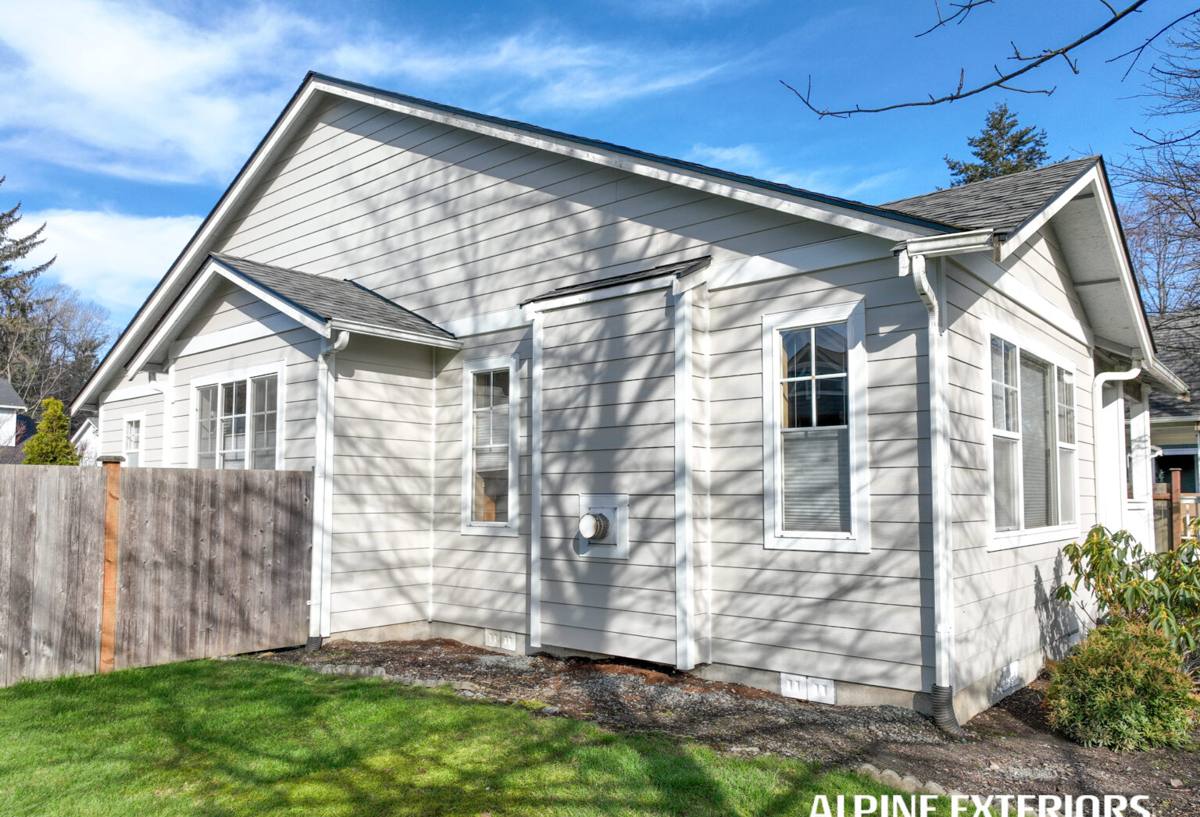
What Storm Damage Actually Looks Like
Not all storm damage is obvious from the driveway. Some of it is, and some of it takes a trained eye on the roof itself.
Visible from the ground
- Missing, cracked, or curled shingles, especially near ridges and edges where wind uplift is strongest
- Granules collecting in gutters or at the base of downspouts after the storm
- Sagging or visibly lifted sections of roofline
- Debris punctures from tree limbs or wind-carried objects
- Loose or missing ridge caps and hip caps
Only visible on inspection
- Lifted or creased shingles that haven't fully separated yet but no longer seal properly
- Flashing pulled away from chimneys, walls, or roof-to-wall transitions
- Compromised underlayment where shingles blew off cleanly, exposing decking to UV and moisture
- Soft or damp decking found only by walking the roof or checking the attic
- Nail pops and fastener backout from repeated wind flex
The second list is the one that causes callbacks for roofers who don't take the time to look. A homeowner sees the missing shingles get replaced and assumes the job is done, but if the underlayment beneath the missing section was already saturated or torn, a patch job on top just delays the next leak.
What a Correct Repair Actually Involves
A proper storm repair starts with figuring out how far the damage actually extends, not just patching what's visible from the street.
1. Full-roof assessment, not just the damaged section
Wind damage rarely stays contained to one neat area. We walk the whole roof plane, not just the spot you called about, because a storm strong enough to strip shingles in one area has usually stressed fasteners and seals elsewhere too. This also matters for insurance purposes — a documented, complete assessment supports your claim better than a narrow repair estimate.
2. Decking check before anything gets covered back up
Any section where shingles were torn off gets checked for soft spots, delamination, or water staining on the plywood or OSB underneath. Repairing over compromised decking is one of the most common shortcuts in storm repair work, and it's the one most likely to cause a second, worse repair a year or two later.
3. Matching materials and proper fastening
Replacement shingles need to match the existing roof's profile and, where possible, color — mismatched patches are a cosmetic problem now and a resale problem later. Fastening matters just as much as matching: shingles need the correct nail count and placement for Florida's wind zone requirements, not just enough to hold until the truck leaves.
4. Flashing and penetration checks
Chimneys, vent pipes, skylights, and roof-to-wall transitions are common failure points after wind events. These get inspected and resealed or replaced as part of the repair, not treated as a separate afterthought.
5. Cleanup and final inspection
Nails, granules, and debris get cleared from the roof and gutters, and the repaired area gets a final water test or visual seal check before we call the job done.
Repair vs. Full Replacement: How We Help You Decide
Not every storm-damaged Ridgecrest roof needs a full replacement, and we're not going to tell you it does just because that's a bigger job. But there's a point where patching stops making financial sense. Here's how we think through it with homeowners:
| Factor | Leans toward repair | Leans toward replacement |
|---|---|---|
| Roof age | Under 12-15 years, in otherwise good condition | Nearing or past manufacturer's expected lifespan |
| Extent of damage | Isolated to one section or slope | Spread across multiple planes or the majority of the roof |
| Decking condition | Dry, solid, no rot found | Soft spots, delamination, or repeated past water intrusion |
| Shingle availability | Matching shingles still available | Discontinued profile or color, mismatch would be significant |
| Storm history | First significant damage event | Multiple prior repairs, roof clearly wearing out faster than expected |
We'll give you our honest read on which side of that table your roof falls on, along with photos and a plain-English explanation — not a sales pitch toward whichever option costs more.
Insurance Documentation: Getting It Right the First Time
Storm damage claims move faster and get approved more consistently when the documentation is thorough from the start. Part of our process is providing a clear, dated assessment with photos of the damage, which gives you something solid to hand to your adjuster or insurance company. We're not a public adjuster and we don't handle your claim for you, but a repair estimate that's vague or incomplete is one of the more common reasons claims get delayed or partially denied. We'd rather hand you something an adjuster can act on the first time.
Our Process for Ridgecrest Homeowners
- Initial contact and scheduling — tell us what you're seeing (missing shingles, a leak, visible damage) and we'll get someone out to look at it.
- On-site inspection — full roof walk, photo documentation, and a look at accessible attic space if there's any sign of water intrusion.
- Written assessment — what's damaged, what's causing it, and what repair (or replacement) actually requires, in terms you can use for insurance purposes.
- Repair scheduling — we work around Florida's storm season scheduling realities and prioritize active leaks.
- Repair execution — matched materials, correct fastening for wind resistance, flashing and penetration checks, full cleanup.
- Final walkthrough — we show you what was done and answer questions before we consider the job complete.
Why It Matters to Hire a Crew That Already Works This Neighborhood
Storm damage repair rewards familiarity. A crew that's already worked roofs in Ridgecrest and the surrounding Seminole area knows what roofing profiles are common in the neighborhood's housing stock, what county permitting and wind-mitigation requirements apply, and what kind of damage patterns show up after a typical Gulf Coast storm versus a fluke event. That's not a small thing when you're trying to get a repair done correctly and get an insurance claim through without a runaround.
It also matters for response time. After a significant storm moves through Pinellas County, roofing crews get slammed with calls, and the ones already working the area are the ones who can get to you without you being at the back of a long, unfamiliar line. A tarp thrown up quickly to stop active water intrusion, followed by a proper repair once materials are sourced, beats waiting weeks for a crew that has to learn the neighborhood before they can even give you an honest quote.
A Quick Checklist If You Suspect Storm Damage
- Check gutters and the ground around your home for granules or shingle pieces after any significant wind event
- Look at ceilings and upper walls for new staining, especially after wind-driven rain
- Note any sounds of flapping or loose material during high winds — that's often a sign something is already lifted
- Avoid climbing on the roof yourself to inspect — storm-damaged roofs can have hidden soft spots
- Get a professional assessment before filing an insurance claim so your documentation is accurate
- If you see active dripping indoors, a temporary tarp is worth calling about immediately, even before a full repair is scheduled
If a recent storm left your Ridgecrest roof looking rough — or you're just not sure whether what you're seeing is cosmetic or something that needs attention now — we're happy to come take a look. The estimate is free, there's no pressure to sign anything on the spot, and you'll get a straight answer about what your roof actually needs. Fill out the form below to get started.