 Seminole Siding
 Roof Repair Built for a Barrier Island Address
Belleair Beach sits out on the Gulf side of Pinellas County, and that location changes what a roof needs. Homes here take a different kind of beating than roofs a few miles inland in Seminole or Largo. Salt-laden air corrodes fasteners and flashing faster. Wind off the water drives rain sideways under shingles and tile that would stay dry in a straight-down storm. UV exposure is constant, nearly year-round, and it breaks down roofing materials from the surface in. None of this means a Belleair Beach roof needs replacing every few years — it means repairs have to be done correctly the first time, with materials and techniques matched to the exposure, or the same problem comes back within a season.
This page covers roof repair specifically for Belleair Beach homes: what typically goes wrong, what a proper repair actually involves, how our process works, and why local experience on this stretch of coastline matters more than it would for a roofer who mostly works subdivisions further inland.
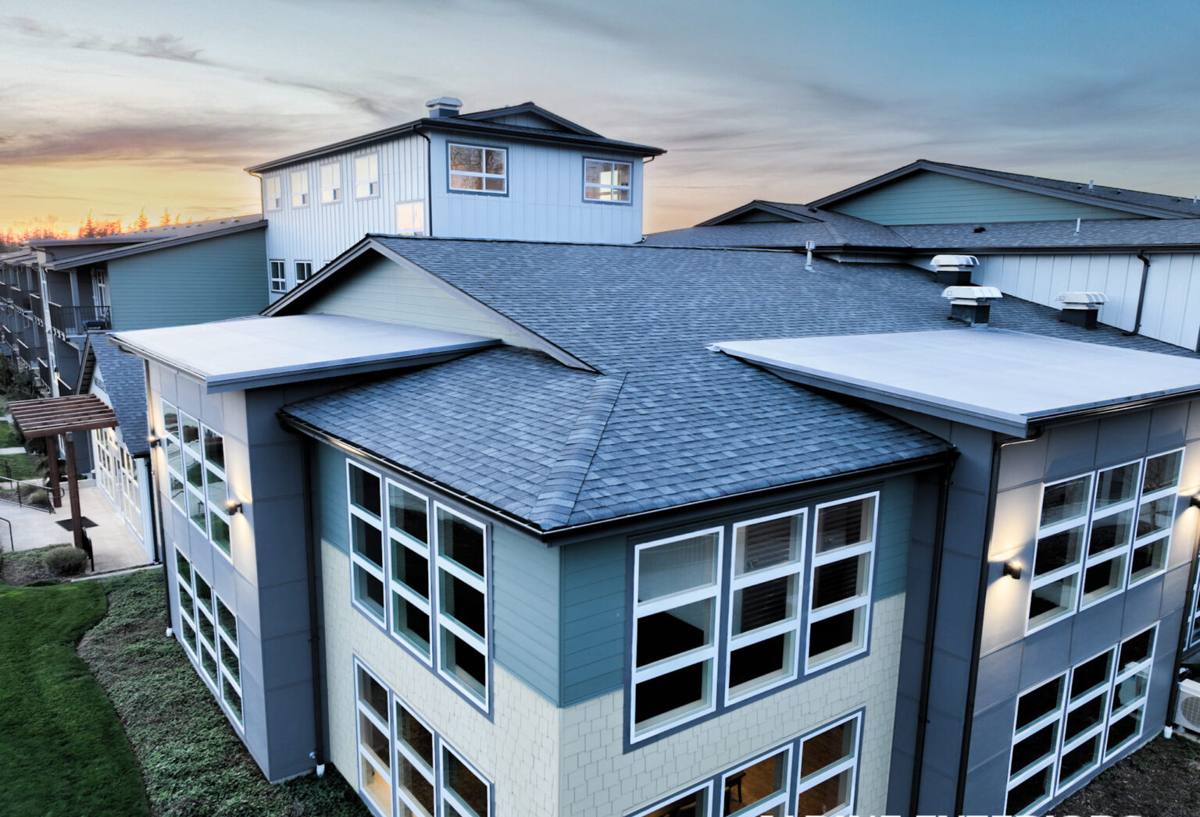
What Coastal Exposure Actually Does to a Roof
Salt Air and Metal Fatigue
Every metal component on a roof — nails, screws, flashing, drip edge, vent stacks — is a potential failure point near the water. Salt in the air accelerates corrosion, and once a fastener or flashing seam starts to rust or pit, it stops holding a tight seal. Small metal failures are one of the most common reasons we get called out to a Belleair Beach roof that "just started leaking" with no obvious cause.
Wind-Driven Rain
Standard roofing details are engineered assuming rain falls mostly straight down. On a barrier island, storms regularly push rain sideways and even upward under eaves and around ridge lines. That means valleys, hips, and edge flashing need tighter, more deliberate sealing than a comparable roof would need a few miles inland. Wind-driven rain finds gaps that would never leak in ordinary weather.
Sun and Heat Cycling
Florida's UV load is intense on any roof, but coastal glare off open water adds to it. Shingles lose granules and become brittle faster; tile underlayment breaks down under the tile even though the tile itself looks fine from the ground. Daily heat cycling — hot afternoons, cooler nights — stresses seams and sealants over and over, which is why caulking and cement patches that look fine when applied often crack and fail within a year or two.
Storm and Wind Load
Belleair Beach homes are directly exposed to hurricane-force wind events with no inland buffer. Even roofs that survive a storm intact often come away with lifted shingle edges, cracked or slipped tiles, and loosened flashing that won't show up as a leak until the next heavy rain. Post-storm inspection matters here in a way it doesn't for more sheltered properties.
Common Repair Calls We See in This Area
- Lifted, cracked, or missing shingles after wind events, especially along ridges and rake edges
- Cracked or slipped tiles on tile roofs, often from foot traffic, wind uplift, or age-related brittleness
- Corroded or separated flashing around chimneys, skylights, and roof-to-wall transitions
- Failed pipe boot seals, a very common source of slow, hard-to-trace leaks
- Valley leaks where wind-driven rain overwhelms an undersized or poorly lapped valley
- Soft or discolored decking discovered under a small leak that was left too long
- Sealant and flashing failures at low-slope or flat sections over porches and additions
Signs You Need a Repair — And What They're Telling You
Most roof problems give warning signs well before there's a leak inside the house. Catching them early is almost always the difference between a straightforward repair and a much bigger job.
- Water stains on interior ceilings or upper walls, even faint or old-looking ones
- Granules collecting in gutters or at downspout discharge points
- Shingles that look curled, cupped, or discolored in patches
- Visible daylight through the attic decking or soffit vents
- Cracked, slipped, or missing tiles, or tiles that sound hollow or loose when walked near
- Rust streaks below metal flashing or vent stacks
- Soft spots underfoot on a flat or low-slope section
- A musty smell in the attic, which often means moisture is present before any visible stain shows up
If you're seeing any of these, the right move is a proper inspection before the next heavy rain or wind event, not after.
What a Correct Repair Actually Involves
A lot of roof repairs done quickly — a dab of roofing cement over a crack, a shingle nailed back down without addressing what lifted it — hold for a while and then fail again, often at the start of the next storm. A correct repair addresses the cause, not just the visible symptom.
| Repair Step | Why It Matters on This Coastline |
|---|---|
| Locate the actual entry point, not just the interior stain | Water travels along decking and framing before it shows up inside — the stain and the leak are rarely in the same spot |
| Check and replace corroded fasteners and flashing, not just the surface material | Salt air corrodes metal from the inside of a seam outward; new shingles over rusted flashing will leak again |
| Re-lap and reseal valleys and transitions correctly, not just caulk over gaps | Wind-driven rain exploits any shortcut in how layers are lapped |
| Inspect and replace wet or soft decking before covering it back up | Sealing over damaged decking traps moisture and leads to rot and mold |
| Match materials and color reasonably to the existing roof | Mismatched patches age differently and stand out, and can affect resale appearance |
Our Repair Process
1. Inspection and Diagnosis
We start by physically inspecting the roof, not just the spot where a stain showed up inside. That includes checking flashing, valleys, pipe boots, ridge lines, and — where accessible — the attic deck from underneath, since attic moisture often tells a more accurate story than the ceiling below it.
2. A Plain-English Explanation
Before any work starts, we explain what's actually wrong, why it happened, and what fixing it correctly involves. If a repair is genuinely all that's needed, we say so. If the damage is extensive enough that a repair would be a short-term patch on a roof that's near the end of its service life, we'll tell you that too, honestly, along with the reasoning.
3. The Repair Itself
We replace damaged materials, correct the underlying flashing or sealing issue, and confirm decking is sound before closing everything back up. We use materials and fastening appropriate for coastal, high-wind exposure rather than whatever's fastest.
4. Cleanup and Verification
We clear debris from the roof and gutters, and where practical, verify the repair holds under water testing before we consider the job done.
Repair vs. Replacement: How We Help You Decide
Not every damaged roof needs to come off. But a repair that's really a stopgap on a roof near the end of its life can end up costing more over time than moving to replacement sooner. A few honest factors that go into that decision:
| Factor | Leans Toward Repair | Leans Toward Replacement |
|---|---|---|
| Roof age | Well within expected service life for the material | Near or past typical lifespan for the material and exposure |
| Extent of damage | Localized — one area, one cause | Widespread, multiple failure points across the roof |
| Decking condition | Dry, sound decking under the damaged area | Soft, rotted, or repeatedly wet decking |
| Repair history | First or infrequent repair | Same areas repaired more than once already |
| Underlayment condition | Intact and flexible | Brittle, cracked, or failing underlayment beneath sound-looking shingles or tile |
We won't push a full replacement when a repair genuinely solves the problem, and we won't recommend patch after patch on a roof that's telling you it's done. We'll walk you through what we actually see and let that guide the decision.
Materials That Hold Up on This Stretch of Coast
Material choice matters more here than inland. Asphalt shingle roofs need corrosion-resistant fasteners and properly sealed flashing to handle wind-driven rain and salt exposure. Tile roofs are durable against UV and heat but depend entirely on the underlayment beneath them — tile that looks perfect can still be sitting over failed underlayment, which is a very common source of "mystery" leaks on older tile roofs near the water. Low-slope and flat sections over porches, additions, or garages need membrane or built-up systems installed with attention to seams and edge termination, since these areas have the least tolerance for a shortcut.
Whatever the material, we match repair components to what's already on the roof, and where salt exposure has degraded original fasteners or flashing, we upgrade to more corrosion-resistant hardware rather than replacing like-for-like with materials likely to fail again in the same environment.
Permits, Insurance, and Documentation
Roof work in Pinellas County generally requires permitting depending on scope, and insurance carriers increasingly want documentation of repair work, especially after storm events, to support wind mitigation credits or claims. We handle the permitting side where required and provide documentation of the work performed, which is worth keeping on file for insurance purposes and for any future home sale.
Why Local, Belleair Beach-Familiar Experience Matters
A roofer who works this specific stretch of coastline regularly understands things that don't show up in a general repair checklist: how quickly salt air compromises fasteners here compared to inland Seminole, which flashing details actually hold up against wind-driven rain off the Gulf, and what post-storm damage typically looks like on this barrier island versus a few miles east. That familiarity shows up in fewer callbacks and repairs that actually last through the next storm season, not just until the next one.
If you're dealing with a leak, storm damage, or just want a straight answer on the condition of your roof, we're happy to take a look. Reach out for a free, no-pressure estimate using the form below.