 Seminole Siding
 Roof Repair Built for Ridgecrest's Climate, Not a Generic Checklist
Ridgecrest homes sit in a part of Seminole where roofs earn their keep. Between hurricane-season wind loads, months of intense UV exposure, wind-driven rain that finds every weak seam, and the slow corrosive drip of salt air off the Gulf, a roof here ages differently than one inland. A repair that would hold up fine in a drier, calmer climate can fail within a season in Pinellas County if it's not matched to these conditions. That's the standard we hold every Ridgecrest repair to: not just "stop the leak," but "stop the leak in a way that survives the next storm and the next decade of sun."
This page is specifically about roof repair — patching, fixing, and restoring an existing roof — for homes in and around the Ridgecrest area of Seminole. If you're dealing with a leak, storm damage, or a roof that's showing its age, here's what actually matters for your situation.
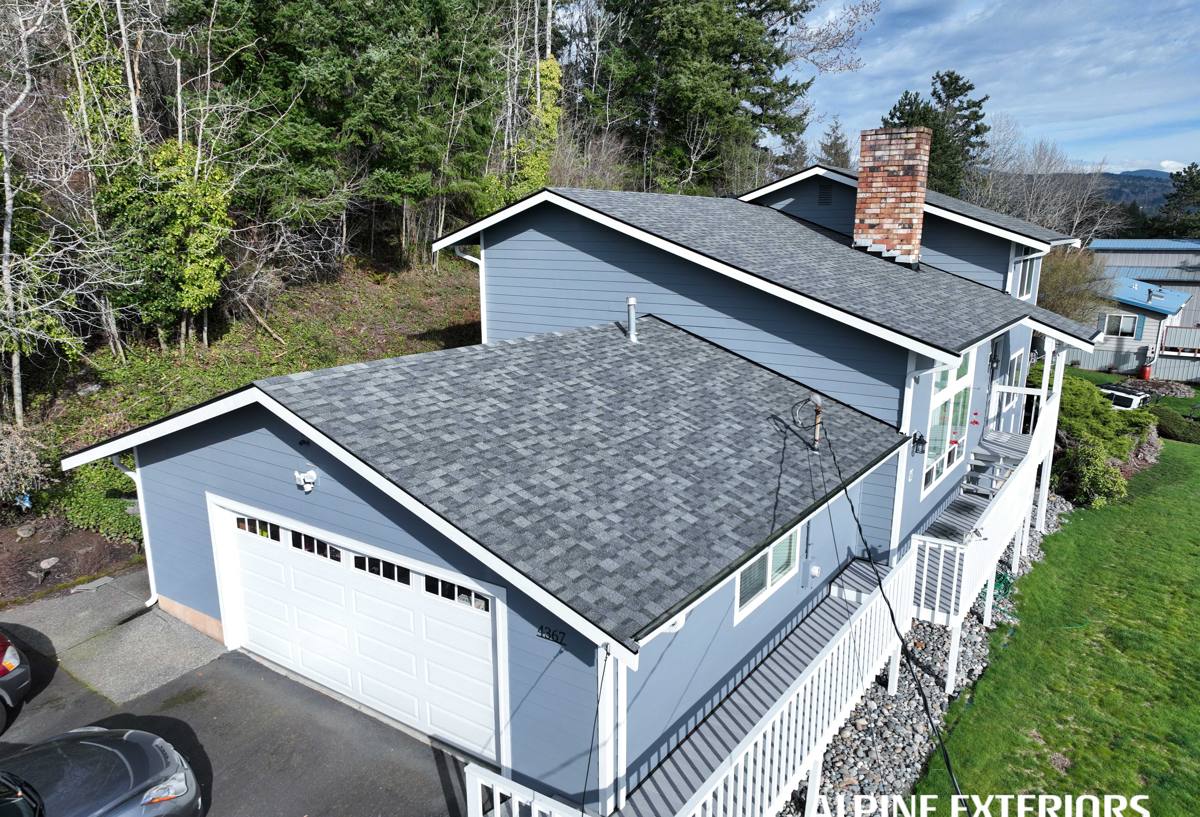
What Ridgecrest Roofs Are Up Against
Most homes in this part of Seminole are shingle or tile roofs, many original to the house or from an earlier re-roof. A few common failure patterns show up again and again in this area:
- UV breakdown — Florida sun bakes asphalt shingles and dries out the oils that keep them flexible, leading to granule loss, cracking, and curling long before the rated lifespan is up.
- Wind-driven rain intrusion — During tropical storms and hurricane-adjacent weather, rain doesn't just fall straight down here — it gets pushed sideways under shingle edges, around flashing, and into any gap that wouldn't matter in calmer weather.
- Salt air corrosion — Metal fasteners, flashing, and exposed roofing hardware corrode faster this close to the coast, which is often the real reason a "small" leak keeps coming back after a patch.
- Wind uplift damage — Even storms that don't make headlines can loosen shingle tabs or lift tile, creating entry points that don't leak right away but will the next time rain comes from the wrong angle.
None of this means Ridgecrest roofs are doomed — it means repairs need to account for these stressors specifically, not just patch the visible symptom.
Signs a Ridgecrest Home Needs Roof Repair
Inside the house
- Ceiling stains, especially ones that appear or grow after a storm
- Peeling paint or bubbling drywall near the roofline
- A musty smell in the attic or top-floor closets
- Visible daylight through the attic roof deck
Outside the house
- Missing, cracked, or curling shingles
- Granules collecting in gutters or at downspout outlets
- Lifted or slipped tiles
- Rusted streaking below flashing or fasteners
- Soft spots when walking the roof deck (best left to a professional to check)
If you've noticed any of these after this year's storms, it's worth having it looked at before the next system comes through — small entry points get bigger fast under wind-driven rain.
What an Honest Roof Repair Actually Involves
A lot of roof "repairs" in this climate fail because they treat the symptom instead of the cause. A leak stain on the ceiling might be four feet away from where water is actually entering the roof deck — wind-driven rain travels along the underlayment before it drips through. A repair done right starts with finding the real entry point, not just sealing where the stain shows up.
For most Ridgecrest repair calls, our process includes:
- Roof and attic inspection — checking the deck, underlayment, flashing, vents, and valleys, not just the shingles on top
- Source tracing — following water paths from the interior damage back to the actual entry point, which is often at a flashing detail, not the field of the roof
- Matching materials — repairing with compatible shingles, tile, or components so the patch doesn't stand out or create a new weak seam
- Fastening and sealing for wind and rain — using fastening patterns and sealants suited to storm exposure, not just what's cheapest
- Corrosion-resistant hardware — swapping out rusted flashing or fasteners for materials that hold up to salt air, since reusing corroded parts is a common reason repairs don't last here
- Verification — checking the repair holds under a hose test or similar before we call it done
Repair vs. Replacement: An Honest Cost-Factor Comparison
Not every roof problem needs a full replacement, and not every leak can be permanently fixed with a patch. Here's how we help Ridgecrest homeowners think through it:
| Factor | Favors Repair | Favors Replacement |
|---|---|---|
| Age of roof | Under 10–12 years, or recently replaced in that area | Near or past its expected service life |
| Extent of damage | Isolated to one section, flashing, or a small area | Widespread granule loss, multiple leak points, or storm damage across large areas |
| Underlying deck condition | Solid, dry roof deck under the damaged area | Soft, rotted, or water-stained decking found during inspection |
| Storm history | One-time event, isolated damage | Repeated repairs to the same area after multiple storms |
| Budget timing | Stopgap while planning for a future re-roof | Ready to invest once, avoid recurring repair calls |
Costs vary a lot depending on what's actually found once we're on the roof — a single flashing repair is a different job than replacing a section of decking. We'll always tell you plainly which category your situation falls into before doing the work, not after.
Why Local Storm History Matters for the Repair Itself
A roofing crew that regularly works in Seminole and the surrounding Pinellas County area knows which details tend to fail first in this specific environment — where wind-driven rain typically finds its way in on a hip roof versus a gable, which flashing details age fastest under salt air exposure, and what fastening actually holds up when a tropical system pushes through versus what merely meets minimum code on paper. That's the kind of judgment that comes from doing this work locally and repeatedly, not from a generic repair checklist.
It also matters for permitting and code compliance. Pinellas County and the local jurisdictions covering Seminole have specific requirements around wind mitigation and roof repair permitting, particularly for repairs affecting a meaningful portion of the roof. A crew unfamiliar with local code can end up doing work that needs to be redone, or that creates problems at resale when a wind mitigation inspection doesn't match what's on the roof.
What to Expect From Our Process
- Inspection first — we look at the whole roof and attic, not just the spot you're worried about
- Clear explanation — what we found, what's causing it, and what it will take to fix, in plain language
- Written scope — you know what's being repaired and why before work starts
- Matched materials — repairs that blend with your existing roof rather than an obvious patch
- Cleanup — no stray nails or debris left in the yard or driveway
- Follow-up availability — if something isn't right after the repair, we come back and make it right
A Practical Checklist Before You Call Anyone
- Note when the leak or damage first appeared — after a specific storm, or gradually over time
- Take photos of any interior staining or exterior damage you can safely see from the ground
- Check the age of your roof if you know it, or when it was last worked on
- Ask any contractor for proof of licensing and insurance before they get on your roof
- Get the scope of work in writing before agreeing to anything
- Ask directly whether the fix addresses the entry point or just the visible symptom
Why Hiring Local Experience Matters for Ridgecrest Homes
Roof repair isn't one-size-fits-all, and it especially isn't one-size-fits-all in a coastal Florida climate. A contractor who's spent time working roofs throughout Seminole and greater Pinellas County has already seen how the intense UV, salt air, and storm patterns specific to this area affect roofing systems over time. That experience shows up in the small decisions during a repair — which fastener to use, how to detail a flashing transition, when a "simple" patch actually needs to go deeper — decisions that determine whether a repair lasts three years or fifteen.
If your Ridgecrest home has a leak, storm damage, or a roof that's just showing its age, we're happy to take a look and give you a straightforward assessment — no pressure, no upsell, just an honest read on what your roof actually needs. Reach out for a free estimate using the form below.