 Seminole Siding
 Why Clearwater Roofs Wear Out Faster Than People Expect
A roof in Clearwater does not fail the same way a roof does in a drier, cooler climate. It fails from the combination of things hitting it at once, year after year: intense UV that bakes shingles and breaks down asphalt oils, salt-laden air moving in off the Gulf that accelerates corrosion on fasteners and flashing, wind-driven rain that finds every weak seam, and the real possibility of hurricane-force gusts during storm season. None of these alone would be a big deal. Together, they shorten the usable life of a roofing system and punish any shortcuts taken during installation.
This matters most when it is time to replace, not patch, a roof. A repair can hide a problem for a season. A replacement is a decision that should hold up for fifteen, twenty, thirty years depending on the material — and in Pinellas County, that means every layer of the system has to be chosen and installed with this climate in mind, not a generic one.
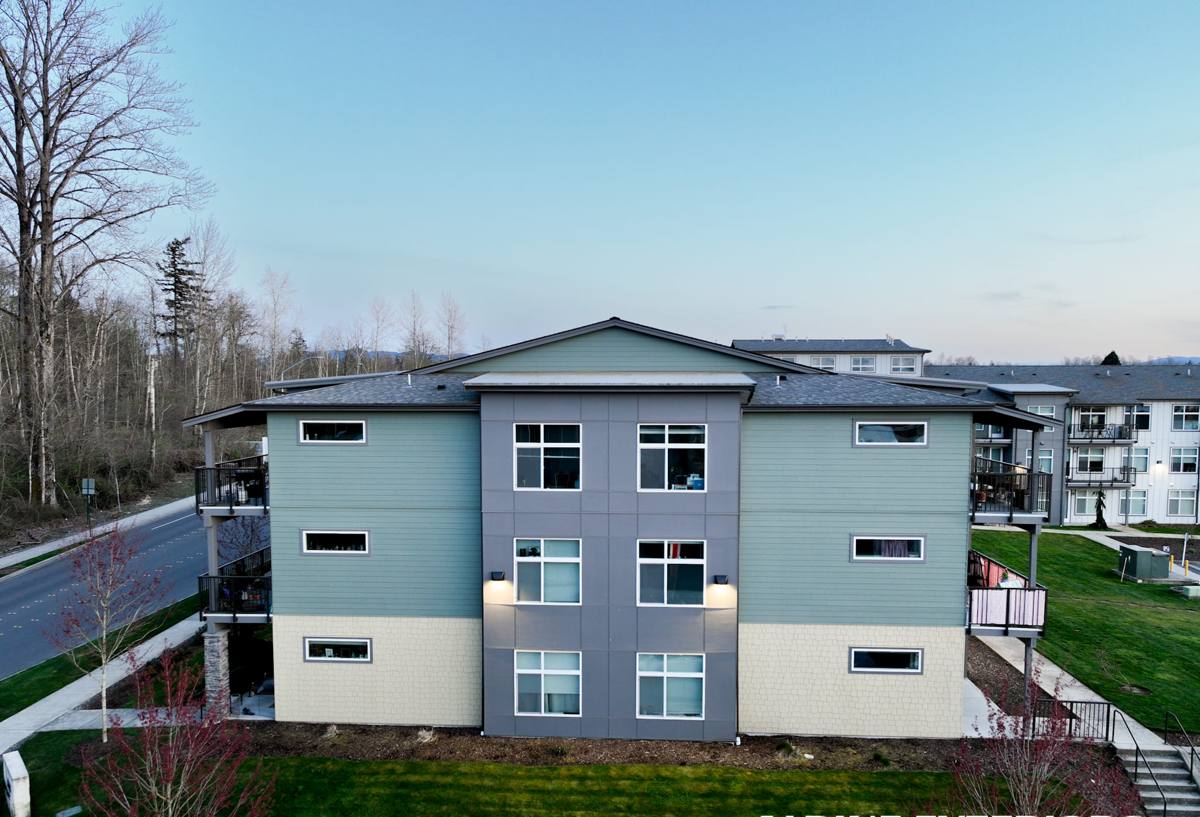
What "Correct" Actually Means on a Clearwater Roof
A roof replacement is not just new shingles or panels laid over what was there before. A correct job addresses the whole system, because water and wind exploit the weakest link, not the strongest.
The Parts Homeowners Rarely See
- Deck condition — plywood or OSB that has taken on moisture needs to be identified and replaced, not covered up
- Underlayment — a synthetic or self-adhering underlayment rated for wind-driven rain, not just a basic felt layer
- Flashing at every penetration — vents, chimneys, skylights, and wall transitions are where most leaks actually start
- Ventilation — proper intake and exhaust airflow keeps attic temperatures and moisture in check, which protects the deck and the shingles from underneath
- Fastening pattern — nail or screw placement and count matter directly to wind uplift resistance, which is not optional in a hurricane-exposed county
Skipping any one of these does not usually show up on day one. It shows up two or three years later as a leak, a soft spot, or missing shingles after the first real storm.
Choosing a Roofing System for a Coastal Pinellas Home
There is no single "best" roofing material for every home — the right choice depends on the home's structure, the budget, and how long the owner plans to stay. What we will not do is recommend a system that looks good on day one but creates a maintenance headache in a salt-air, high-UV environment. Here is how the common options actually compare in this climate.
| Material | Typical Lifespan Here | Wind Performance | Maintenance Reality |
|---|---|---|---|
| Architectural asphalt shingle | 15–25 years | Good, when rated and fastened correctly for local wind zones | Lowest upfront cost; UV and heat gradually shorten lifespan |
| Metal (standing seam or panel) | 30–50 years | Excellent when properly fastened | Higher upfront cost; needs corrosion-resistant fasteners near the coast |
| Tile (concrete or clay) | 30–50+ years | Very good, but individual tiles can crack from impact or foot traffic | Heavier structural load; underlayment failure is the real long-term risk, not the tile itself |
| Flat/low-slope membrane (for additions, porches, lanais) | 15–20 years | Depends heavily on installation detail at seams and edges | Needs periodic inspection at seams and drains |
For most single-family homes in this area, architectural shingle and metal are the two most common recommendations, largely because of the balance they strike between upfront cost, wind performance, and long-term maintenance. Tile is a strong option where the structure already supports the weight or where it matches surrounding homes. We will walk through the honest trade-offs of each option for your specific roof rather than pushing one product line.
Our Roof Replacement Process
Homeowners in Clearwater deserve to know exactly what happens between the first estimate and the final walkthrough, so there are no surprises mid-project.
- On-site inspection. We look at the deck, attic ventilation, flashing points, and current material condition before quoting anything — not just a drive-by estimate from the driveway.
- Written scope and material selection. You get a clear breakdown of what is being removed, what is being installed, and why, along with material options that fit the home and budget.
- Permitting. Roof replacements in Pinellas County require a permit and inspection. We handle this as part of the job — it is not an optional add-on.
- Tear-off and deck inspection. Old material comes off completely so the deck can be checked in person. Any rotted or delaminated sections are replaced before anything new goes down.
- Underlayment and flashing. This is the layer that actually keeps water out if the top layer is ever compromised in a storm — it gets installed to spec, not rushed.
- New roofing material installed to the fastening schedule required for our wind zone, not a generic national minimum.
- Cleanup and magnetic sweep for stray nails and debris around the property.
- Final walkthrough and inspection sign-off, so you know the job is documented and closed out correctly with the county.
Permits, Wind Mitigation, and Why It Affects Your Insurance
A permitted, properly documented roof replacement in Pinellas County is not just a legal requirement — it directly affects homeowners insurance. Many carriers offer wind mitigation credits for roofs that meet current code for fastening, underlayment, and roof-to-wall connections. After a full replacement, it is worth having a wind mitigation inspection done, because the discount can be meaningful over the life of the policy. A roof installed without permits or inspections can create real problems later, whether that is a denied insurance claim after storm damage or an issue at the time of a home sale.
Signs a Clearwater Roof Needs Replacement, Not Another Repair
Repairs make sense when a roof has isolated damage and years of usable life left. Replacement makes more sense once the whole system is aging out or has been compromised by prior water intrusion. Some signs to look for:
- Granule loss heavy enough that shingles look patchy or bald in sun-exposed areas
- Curling, cupping, or cracked shingles across multiple areas of the roof, not just one spot
- Soft spots or sagging when walked on, which usually points to deck damage underneath
- Repeated leaks in different locations after storms, rather than one recurring spot
- Visible daylight or water staining in the attic around vents, chimneys, or valleys
- A roof approaching or past the upper end of its expected material lifespan, especially if it has never had a wind mitigation upgrade
- Missing or lifted shingles/tiles after a wind event, especially in clusters
If only one or two of these apply and the roof is relatively young, a repair is often the honest recommendation. We will tell you that directly rather than pushing a full replacement that is not yet needed.
Cost Factors Homeowners Should Understand
Roof replacement pricing varies by material, roof size and pitch, number of penetrations, and current deck condition — there is no single number that applies to every home. What follows are the factors that most often move a project's price up or down.
| Factor | Why It Affects Cost |
|---|---|
| Roof pitch and complexity | Steeper roofs and roofs with multiple valleys, dormers, or angles take longer to install safely and use more material |
| Deck condition | Rotted or delaminated plywood found during tear-off has to be replaced, which is only knowable once the old material is off |
| Material choice | Asphalt shingle, metal, and tile carry different material and labor costs, as shown in the comparison above |
| Layers of existing roofing | Multiple existing layers mean more tear-off labor and disposal |
| Number of penetrations | Every vent, skylight, and chimney needs its own flashing detail, which adds labor |
| Permit and inspection requirements | Included in a properly quoted job, but varies by scope and jurisdiction |
Be cautious of any quote far below the others for the same material and scope — on a coastal roof, the corners that get cut to hit a low price are almost always in the underlayment, flashing detail, and fastening schedule, which are exactly the things that determine whether the roof survives its first real storm.
Why a Crew That Already Works Clearwater Roofs Makes a Difference
Roofing code requirements, typical wind zones, and inspection processes are specific to Pinellas County and the City of Clearwater. A crew that already works in this area knows the local permitting office's expectations, has already dealt with the deck conditions typical of homes built in different decades around here, and understands how salt air changes fastener and flashing choices near the coast versus further inland. That familiarity shows up in fewer surprises during the project and fewer callbacks after it — not because of luck, but because the details that matter in this climate are treated as standard practice, not an afterthought.
If your roof is showing its age or you are planning ahead of the next storm season, we are happy to take a look and give you a straight answer about repair versus replacement. Reach out for a free, no-pressure estimate using the form below.