 Seminole Siding
 Siding Repair Built for St. Pete Beach's Coastal Conditions
St. Pete Beach sits about as close to the Gulf as a home in Pinellas County can get, and that barrier-island location is exactly why siding here fails differently — and often faster — than siding a few miles inland. Salt-laden air, near-constant humidity, intense UV exposure, and the wind-driven rain that comes with every strong Gulf storm all work on exterior siding at the same time, year-round. A repair approach that works fine in a drier, inland climate can miss the real problem on a barrier-island home.
We do siding repair work throughout the Seminole area, including St. Pete Beach, and we've learned to look at coastal homes with a different checklist than the one we'd use fifteen miles east. This page covers what that means in practice: what actually damages siding out here, what a correct repair involves, and how we handle the job from first look to final walkthrough.
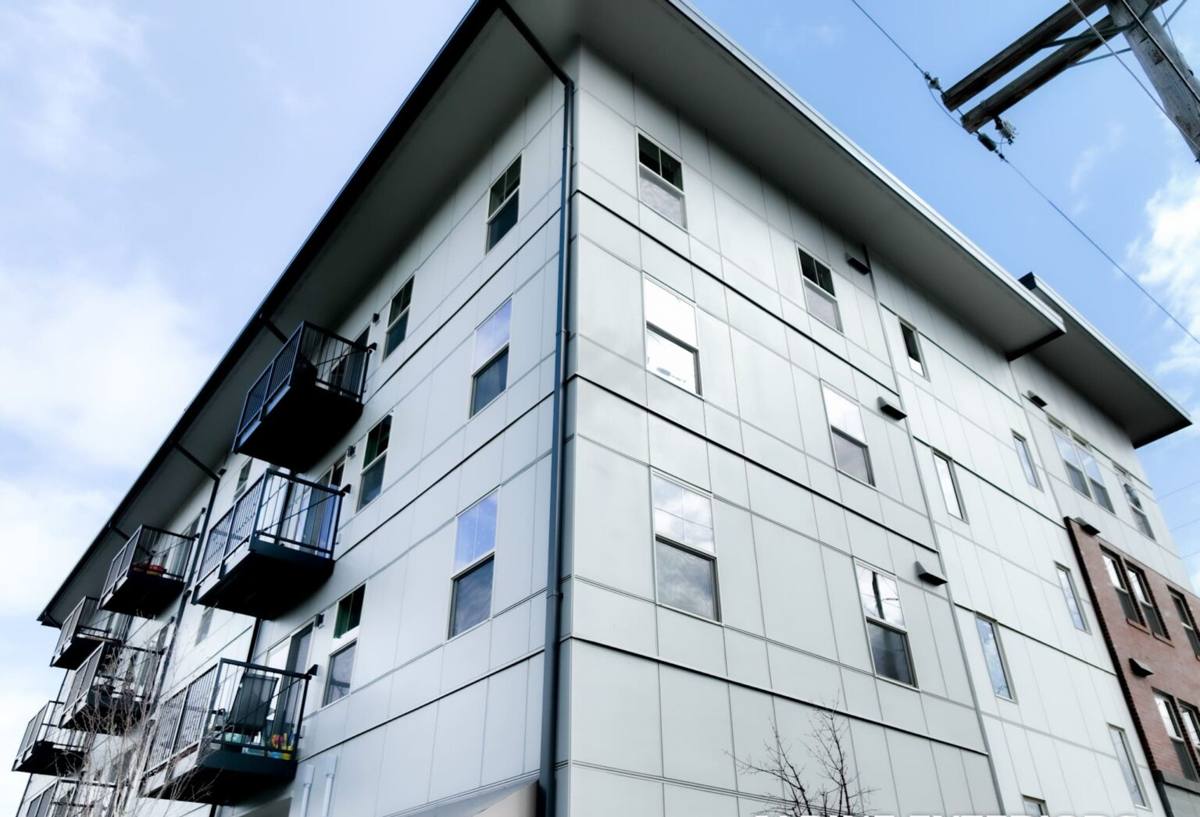
Why St. Pete Beach Siding Wears Differently
Salt Air Is a Constant, Not an Occasional Event
Homes near the Gulf are exposed to airborne salt essentially every day, not just during storms. Salt is corrosive to fasteners, trim flashing, and any exposed metal components in a siding system, and it accelerates the breakdown of finishes that aren't formulated to handle it. On some siding types, this shows up as chalking, fading, or a rough, degraded surface well before the material's expected lifespan is up.
Wind-Driven Rain Finds Every Gap
Pinellas County gets its share of tropical systems and summer squalls, and on a barrier island the wind that drives that rain has nothing to slow it down before it hits a house. Wind-driven rain doesn't just fall on siding — it gets pushed sideways and upward, into laps, seams, and any point where flashing or caulking has failed. That's a very different load than a typical rainstorm, and it's why moisture problems on coastal homes often start at the top of a wall or around a window before they're visible anywhere else.
UV and Heat Cycling
Florida sun is intense nearly year-round, and St. Pete Beach doesn't get the tree canopy that shades a lot of inland neighborhoods. Constant UV breaks down paint film and some siding substrates over time, and the daily heat-up/cool-down cycle stresses caulked joints and fastener points. Combined with salt air, this is a harsher environment than most siding products were designed around.
Common Repair Situations We See on St. Pete Beach Homes
- Moisture damage at seams and laps — softened or delaminating material where boards meet, usually from long-term water intrusion rather than a single storm event.
- Storm-damaged sections — panels cracked, dented, or torn loose by high wind, or damaged by wind-carried debris.
- Failed caulking and flashing — the sealant and metal that are supposed to keep water out of joints, around windows, and at trim transitions, degraded by UV and salt exposure.
- Corroded fasteners — nails or screws that have rusted and stained the siding face, or that have lost their grip and let boards loosen.
- Localized rot or substrate failure — most common on wood-based or engineered wood products where a small moisture entry point has spread underneath the surface, often worse than it looks from the outside.
- Faded, chalking, or peeling finish — a cosmetic issue on the surface, but sometimes a sign the finish is failing at the point where it should be protecting the substrate underneath.
What a Correct Repair Actually Involves
A siding repair that just patches the visible symptom tends to fail again, sometimes within a season or two, especially on a coastal property. Doing it right means treating the repair as a small version of a proper installation, not just a cosmetic fix.
Diagnose Before You Patch
The first step is figuring out why the damage happened, not just where it is. A cracked panel from wind impact is a different repair than a soft, discolored section caused by months of water intrusion behind the siding. We check the surrounding area, the flashing and house wrap where accessible, and the fastening pattern before deciding what actually needs to come off and what can stay.
Address the Water Path, Not Just the Hole
If water got in, something let it in — a gap in flashing, a failed caulk joint, a seam that wasn't lapped correctly, or a fastener point that opened up. Replacing the damaged siding piece without fixing that entry point just resets the clock on the same failure.
Match Materials and Method Correctly
Repairs need to match the existing siding's material, profile, and reveal as closely as possible, and they need to be installed with the same attention to manufacturer spec as a full installation — correct fastener type and placement, correct clearances, and correct sealant at the right joints. A mismatched patch is both a visual problem and, if done wrong, a new place for water to get in.
Know When Repair Isn't the Right Call
Sometimes a repair is the right answer. Other times — widespread moisture damage, a finish that's failing across the whole elevation, or a material that's simply reached the end of what it can handle in this climate — a section or full replacement is the more honest recommendation, even if it's not what a homeowner wants to hear. We'll tell you which situation you're in and why.
Repair vs. Replacement: How We Think It Through
| Factor | Points Toward Repair | Points Toward Replacement |
|---|---|---|
| Extent of damage | Isolated to one section or elevation | Spread across multiple walls or the whole home |
| Cause | Single storm or impact event | Long-term moisture, systemic finish failure |
| Material condition nearby | Surrounding siding still sound | Adjacent areas already showing similar wear |
| Age of existing siding | Relatively young, isolated failure | Nearing or past expected service life |
| Underlying structure | Sheathing and framing unaffected | Rot or damage found underneath during inspection |
Our Repair Process
- On-site inspection. We look at the damaged area and the surrounding siding, check for signs of moisture behind the surface where we can access it, and identify the likely cause, not just the visible symptom.
- Honest scope and estimate. We tell you what we're seeing, what we recommend, and why — including if we think the smarter move is replacement of a section rather than a patch that won't hold up.
- Removal of compromised material. We take out damaged siding and any affected flashing or sealant, checking the substrate underneath before closing anything back up.
- Correct reinstallation. New or matched material goes in per manufacturer spec — proper fastening, proper flashing, proper sealant at the joints that need it.
- Final check. We walk the repair with you, confirm it's watertight and matches the surrounding siding as closely as the material allows.
Why a Crew That Works St. Pete Beach Already Matters
Repair work on a barrier island isn't quite the same job as repair work a few miles inland, even within the same county. A crew that regularly works St. Pete Beach and the broader Seminole area already knows what salt exposure does to different siding types over time, what flashing details tend to fail first in wind-driven rain, and what a repair needs to hold up through the next storm season — not just look fine on the day it's finished. That local pattern recognition is the difference between a repair that lasts and one you're calling about again next year.
Where James Hardie Fits Into Repair Decisions
We install James Hardie fiber cement siding exclusively, and that shapes how we handle repairs, too. Hardie's fiber cement is non-combustible and engineered to resist moisture and hold its ColorPlus factory finish far better than wood-based or vinyl products in a coastal environment — which means Hardie repairs are usually simpler and more predictable: match the board, match the finish, install correctly, done. If your home currently has a different siding material and repairs are becoming a recurring cost, that's worth an honest conversation. We'll always try to repair what can reasonably be repaired first, but if you're looking at a material that keeps failing in this climate, replacing that section — or eventually the whole elevation — with fiber cement is often the more cost-effective long-term answer than repeated patch jobs.
Preventing the Next Repair
- Have siding and trim visually checked at least once a year, especially after a strong storm season.
- Keep an eye on caulked joints around windows, doors, and trim — these are usually the first thing to fail in salt air and UV.
- Rinse accumulated salt residue off exterior surfaces periodically, particularly on homes closest to the water.
- Address small issues — a loose panel, a cracked caulk line, a stained fastener — before the next storm season rather than after.
- Keep gutters and downspouts clear so roof runoff isn't adding extra water load against siding and trim.
If you've got damaged, aging, or failing siding on a St. Pete Beach or Seminole-area home, we're happy to take a look and give you a straight answer on repair versus replacement — no pressure, no upsell. Fill out the form below for a free estimate.