 Seminole Siding
 Redington Beach Sits in a Tougher Climate Than Most of Seminole
Redington Beach is a narrow barrier island community just west of Seminole, with Gulf water on one side and the Intracoastal on the other. That location is what makes it beautiful, and it's also what makes siding fail faster there than it does a few miles inland. Homes here take a direct hit from salt-laden air every day of the year, get more wind-driven rain off the Gulf during storms, and sit fully exposed to Florida's UV load with almost no tree canopy to break it up. Add in the wind speeds Pinellas County's coastal zone is rated for, and you have a short list of conditions that will find every weakness in a siding system within a few years.
We work on homes throughout Seminole, but Redington Beach and the surrounding beach communities get their own approach. The product, the fastening, the flashing detail, and the finish all get chosen with this specific exposure in mind — not a generic Florida spec.
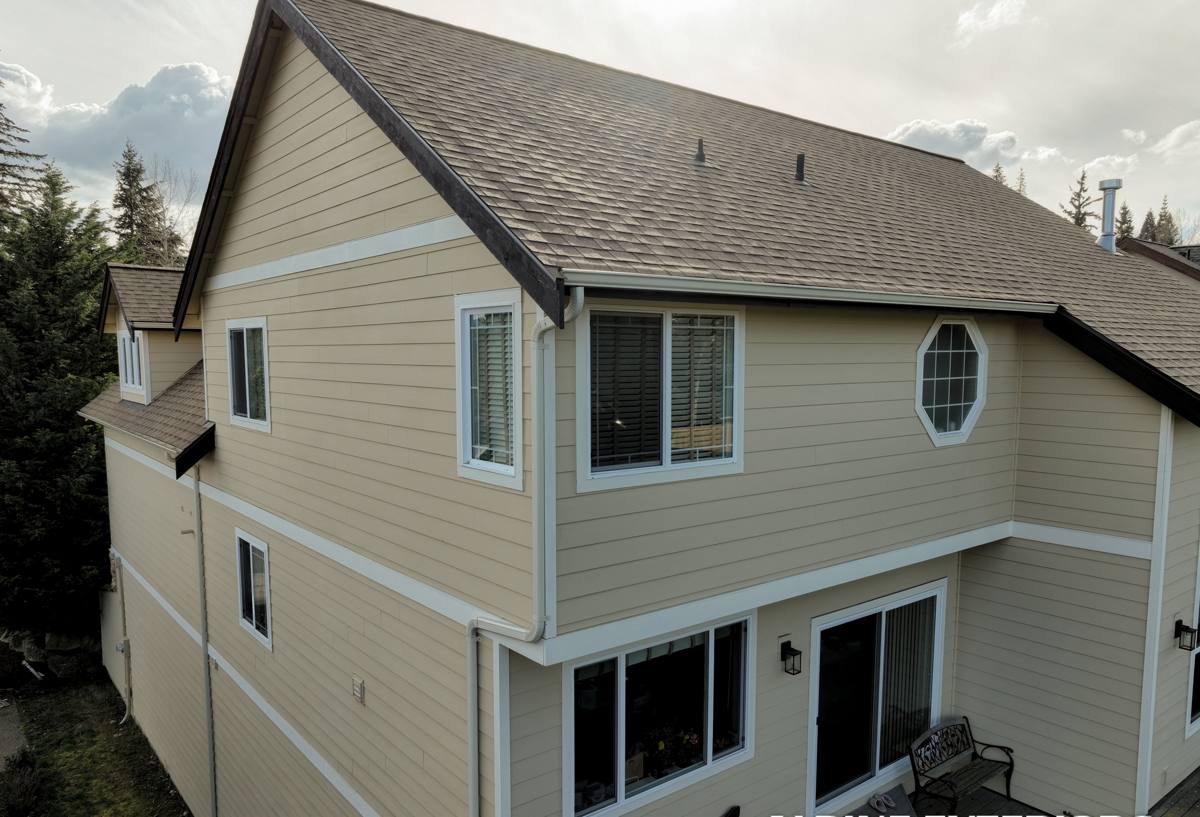
What Redington Beach Homes Actually Need From Their Siding
Wind Resistance That Matches the Coastal Wind Zone
Pinellas County's coastal areas fall in a wind-borne debris region under the Florida Building Code, which drives fastening schedules, product approvals, and in some cases impact requirements that inland Seminole homes don't have to meet in the same way. Siding installed here needs a product with current Florida product approval for the applicable wind pressures, installed with the fastener spacing the manufacturer's coastal instructions call for — not the standard-exposure schedule that's fine ten miles inland.
Real Moisture and Salt-Air Defense
Salt air is corrosive to metal and hard on any siding seam, joint, or fastener that isn't built to handle it. Many Redington Beach homes also sit close to grade or near canal and Gulf-facing sides that catch more wind-driven rain during storms, which means the bottom courses of siding and the flashing behind them do more work than on a typical inland house. Get that detail wrong and moisture finds its way behind the cladding long before the siding itself looks like it's failing.
UV and Heat That Don't Let Up
Full sun exposure with no shade canopy means paint jobs fade and chalk faster here than almost anywhere else in the county. A factory-applied finish engineered to hold color under constant UV — not a field-applied paint job — is the difference between siding that still looks good in year ten and siding that needs repainting by year four or five.
Why We Only Install James Hardie Fiber Cement Here
We don't install vinyl, LP SmartSide, Cemplank, Allura, or wood siding — not because those products can't be installed correctly somewhere, but because this exposure is exactly where their weak points show up soonest. Vinyl softens, warps, and becomes brittle under sustained heat and UV. Wood and wood-based products need a moisture-free installation and ongoing maintenance to avoid rot, which is a hard ask in a location with this much wind-driven rain and humidity. James Hardie fiber cement is non-combustible, dimensionally stable, and manufactured with HZ product lines specifically engineered for the moisture and humidity profile of the Gulf Coast.
| Coastal Exposure Factor | What It Does to Weak Siding | How Hardie Addresses It |
|---|---|---|
| Constant salt air | Corrodes fasteners, degrades seams and caulk lines | Fiber cement doesn't corrode; installed with stainless or coastal-rated fasteners |
| Wind-driven rain | Pushes water behind poorly flashed joints and laps | Rigid board with correct lap and flashing detail sheds water rather than absorbing it |
| Year-round UV | Fades and chalks field-applied paint within a few years | ColorPlus factory finish is baked on and warranted against fading |
| Hurricane-force wind | Loosens or tears off improperly fastened panels | Florida product-approved systems installed to the coastal fastening schedule |
| High humidity | Feeds rot in wood-based products | Fiber cement doesn't rot, swell, or support fungal growth |
ColorPlus finishes also matter for a place like Redington Beach specifically because homeowners here don't want to be back on a ladder repainting trim and siding every few years just to keep the color from chalking out in the sun.
What a Correct Siding Replacement Job Involves
Tear-Off and What's Underneath
Every job starts with full removal of the old siding down to the sheathing, because you can't evaluate what's underneath through a wall. On a barrier island home, we're specifically checking for moisture damage around window and door openings, at the bottom plate, and anywhere the old siding was in prolonged contact with standing water or splash-back. Any soft or compromised sheathing gets replaced before anything new goes up — covering over a moisture problem just locks it in.
Weather-Resistive Barrier and Flashing
A new weather-resistive barrier goes on before any siding, with flashing detailed at every window, door, and penetration. This is the layer that actually keeps water out if wind-driven rain gets past the siding face during a storm, and it's the step that gets rushed most often on lower-quality jobs.
Fastening to the Coastal Schedule
Fastener type, length, and spacing follow the manufacturer's instructions for the wind zone and exposure category that apply here — not a generic inland pattern. This is also where corrosion-resistant fasteners matter most; the wrong fastener in this air will show rust streaks and start failing well before the siding itself is due for attention.
Finish and Color
We install pre-finished ColorPlus boards and trim wherever possible, which means no field painting is needed and the color is warranted separately from the substrate. For a Gulf-facing home, lighter colors also help reflect heat rather than absorb it, which is worth discussing during your estimate if energy performance matters to you.
Permitting and Local Code Considerations
Siding replacement in Redington Beach requires a permit, and because the area falls within Pinellas County's coastal wind-borne debris region, the product approval and fastening documentation matter more here than in many inland jobs. We handle the permit application and provide the product approval documentation the reviewing jurisdiction needs, so you're not the one tracking down code compliance paperwork.
Working on a Barrier Island Lot
Redington Beach lots tend to be narrow, closely spaced, and short on room for staging materials, a dumpster, and a crew all at once. Many properties are also under an HOA or community association with expectations about how a job site looks during construction and what the finished exterior should look like. Knowing this going in — where to stage materials, how to keep a tight job site tidy, and what documentation an HOA might ask for — is part of why a crew that already works this specific beach moves faster and causes less disruption than one learning the area for the first time.
Our Process, Start to Finish
- On-site estimate and visual inspection of your current siding, trim, and any visible moisture or wind damage
- Written proposal specifying the Hardie product line, profile, and color, with a clear cost breakdown
- Permit application and submission of required product approval documentation
- Full tear-off and sheathing inspection, with any repairs reviewed with you before covering them
- Weather-resistive barrier, flashing, and new Hardie siding installed to the coastal fastening schedule
- Final walkthrough covering caulking, trim details, and general maintenance for a coastal home
Choosing a Contractor for a Redington Beach Home
Not every siding crew that works Seminole is equally comfortable with a direct Gulf-exposure job. Before hiring, it's worth confirming a few things.
- Do they install to the wind-borne debris region fastening schedule, or just a standard inland spec?
- Can they show current Florida product approval documentation for the siding they're proposing?
- Do they use corrosion-resistant fasteners appropriate for salt-air exposure?
- Have they pulled permits in this jurisdiction before, and do they know what documentation is required?
- Do they have a plan for tight-lot staging and keeping the job site presentable if you're under an HOA?
What Affects the Cost of a Coastal Siding Replacement
| Cost Factor | Why It Matters Here |
|---|---|
| Extent of sheathing repair | Salt air and moisture exposure can mean more hidden damage than an inland home of the same age |
| Siding profile and trim complexity | More corners, windows, and trim detail on beach cottages increase flashing and labor time |
| Fastener and hardware upgrades | Coastal-rated fasteners cost more than standard but protect the warranty and the finish |
| Site access and staging | Narrow lots can require smaller material deliveries and more careful sequencing |
| Color and finish selection | ColorPlus finishes vary slightly in cost by color and sheen |
Every Redington Beach home carries a different combination of these factors, which is why we walk the property in person before giving you real numbers rather than a phone estimate.
If your siding is showing chalking, cracking, or soft spots after another season of Gulf sun and salt air, it's worth having someone look at it before the next storm season rather than after. We offer a free, no-pressure estimate for Redington Beach homeowners — use the form below to get started.