 Seminole Siding
 Siding Replacement for Ridgecrest Homes
Ridgecrest is one of the older, established residential pockets of Seminole, and homes here span a wide range of ages and construction styles — from block houses with a siding accent band to full wood-frame homes clad top to bottom. What most of these houses have in common is exposure. Seminole sits close enough to the Gulf that salt-laden air is a daily fact of life, and every summer brings months of intense UV and sudden wind-driven downpours. Add the standing threat of hurricane-force wind gusts, and Ridgecrest's siding has to do more work than siding in a drier, inland climate ever would.
This page is about one job, done right, in one neighborhood: replacing failing or aging siding on a Ridgecrest home with a product and installation method built for Pinellas County conditions — not a generic national spec.
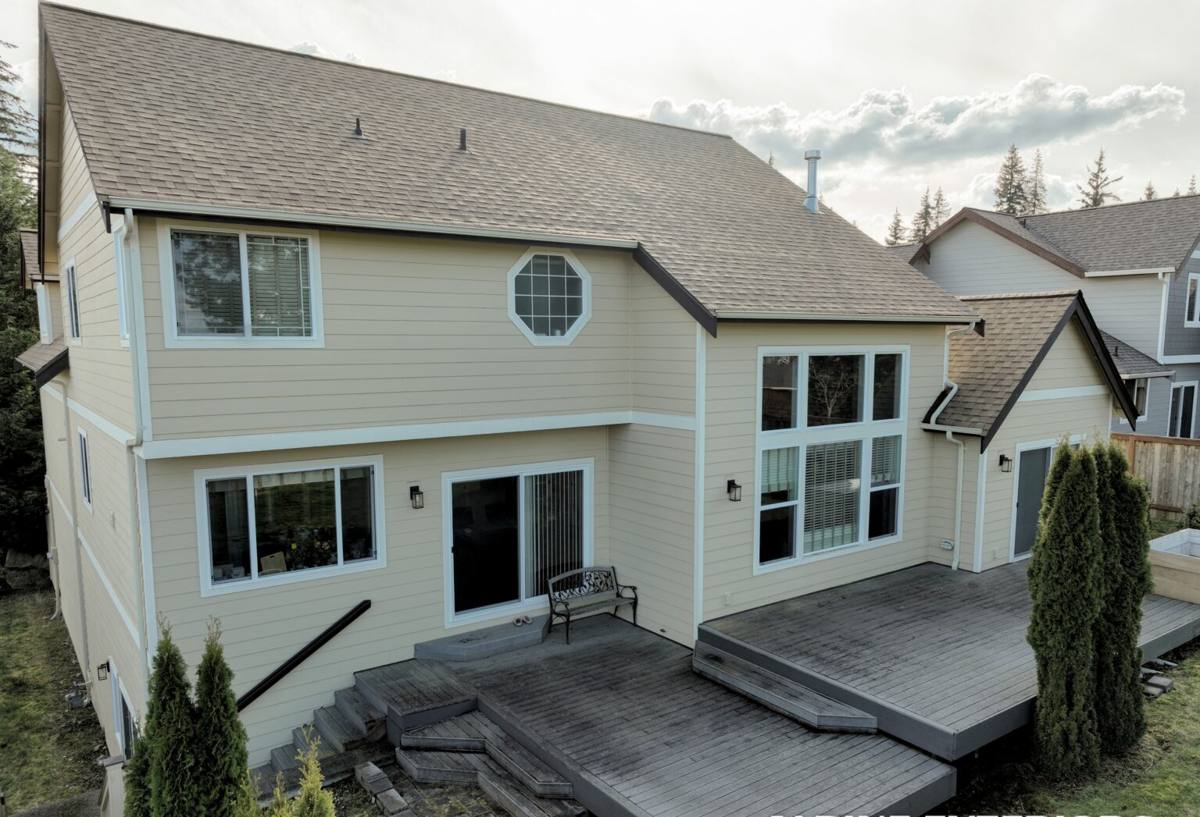
Why Ridgecrest Siding Fails Early
When we get called out to a Ridgecrest home for a siding evaluation, the damage almost always traces back to the same handful of causes, often working together:
- Moisture intrusion behind the panels. Wind-driven rain doesn't fall straight down here — it gets pushed sideways into seams, butt joints, and trim, and if the water-resistive barrier and flashing details weren't done correctly the first time, moisture works its way behind the cladding for years before it shows on the surface.
- UV breakdown of paint and caulk. Central Florida sun is relentless. Factory or field-applied paint that isn't rated for this UV load chalks, fades, and cracks years ahead of schedule, and once the protective film goes, the substrate underneath is exposed.
- Salt air corrosion of fasteners and trim. Being close to the coast means airborne salt settles on every exterior surface. Standard fasteners and unprotected metal trim corrode faster here than they would even 20-30 miles inland.
- Wind-driven mechanical stress. Gusts don't just push on siding — they flex it, and repeated flexing loosens fasteners and opens seams over years of storm seasons.
None of these are unusual or dramatic. They're just the normal cost of living on the Gulf coast, and they're exactly what a correct siding replacement needs to be engineered against.
What a Correct Siding Replacement Involves
Tear-Off and Substrate Inspection
Replacement starts with full removal of the old siding, not a re-clad over existing material. That's the only way to actually see the sheathing underneath. In a humid, storm-exposed neighborhood like Ridgecrest, it's common to find soft or water-stained sheathing behind siding that looked fine from the street. Any compromised sheathing gets replaced before anything new goes up — installing new siding over a damaged substrate just resets the clock on the same failure.
Water-Resistive Barrier and Flashing
A new weather-resistive barrier is installed correctly lapped, and flashing is detailed at every window, door, and roofline intersection — the exact spots where wind-driven rain finds its way in. This is the part of the job that's invisible once the siding goes back on, and it's also the part that determines whether the house stays dry for the next 20-plus years or starts leaking again in three.
Siding Installation to Manufacturer Spec
Panels are installed with the correct fastener pattern, clearances, and gapping for expansion — not "close enough." Butt joints and seams are treated to resist wind-driven water intrusion, and trim and fasteners are chosen with coastal exposure in mind rather than a generic inland spec.
Final Detailing
Caulking, touch-up, and trim work are finished last, using products rated for sustained UV and humidity exposure — not standard hardware-store caulk that will crack out within a couple of seasons.
Why We Install Only James Hardie Fiber Cement
We standardized on James Hardie siding for every job we do, including in Ridgecrest, and we don't install vinyl, LP SmartSide, Cemplank, Allura, or unprimed wood siding. That's not a marketing line — it's a decision based on what actually holds up under Gulf-coast conditions:
- Non-combustible core. Fiber cement doesn't feed a fire the way vinyl or wood-based products can, which matters for insurance and for peace of mind.
- Built for moisture, not just resistant to it. Hardie's fiber cement formulation is engineered to handle humidity and wind-driven rain without the swelling, delamination, or rot risk that wood-based composite sidings can develop over time.
- ColorPlus factory finish. Rather than relying on field-applied paint, Hardie's ColorPlus finish is baked on at the factory under controlled conditions, which holds color and resists UV fade far longer than most field-painted alternatives — a real advantage under Florida sun.
- Climate-engineered HZ product lines. Hardie makes HZ5 formulations specifically engineered for humid, high-moisture climates like ours, rather than a one-size-fits-all national product.
- A strong, transferable warranty. When it's installed to spec, Hardie backs it with a warranty that carries real weight and can transfer to a new owner — valuable if you ever sell the home.
We're not going to tell you vinyl or LP SmartSide are junk — both have legitimate uses and plenty of installed examples that perform fine in the right conditions. What we will tell you is that after years of doing this work in Pinellas County's climate, we decided fiber cement gives homeowners here the best long-term combination of durability, appearance retention, and warranty protection, and we'd rather install one product exceptionally well than spread ourselves across five.
Comparing Siding Options for a Coastal Pinellas Home
| Factor | James Hardie Fiber Cement | Vinyl | Wood-Based Composite (e.g., LP SmartSide) |
|---|---|---|---|
| Salt air / humidity resistance | Engineered for humid climates (HZ5 lines) | Doesn't rot but can warp/fade under sun and heat | Vulnerable to moisture at cut edges and seams if maintenance lapses |
| UV / color retention | Factory ColorPlus finish resists fading | Color molded in but can chalk and fade over time | Requires field paint upkeep to maintain protection |
| Wind performance | Rigid, holds fastening pattern under gusts | Can flex, crack, or blow off in high wind if under-fastened | Generally solid but seams need consistent sealing |
| Fire resistance | Non-combustible core | Can melt/deform under heat exposure | Wood-based core is combustible |
| Maintenance burden | Low; occasional wash and caulk check | Low but limited repair options if damaged | Higher; paint and edge sealing upkeep needed |
| Warranty | Strong, transferable when installed to spec | Varies by manufacturer, often prorated | Varies by manufacturer and installation compliance |
Our Process for a Ridgecrest Siding Replacement
- On-site evaluation. We walk the exterior, check for soft spots, existing moisture damage, and problem areas around windows, doors, and rooflines.
- Written scope and product selection. We go over Hardie plank profiles, textures, and colors suited to the home and neighborhood, and put the scope of work in writing.
- Full tear-off. Old siding comes off completely so the sheathing can be inspected — no covering up unknowns.
- Sheathing repair as needed. Any compromised wood is replaced before moving forward.
- Water-resistive barrier and flashing. Correctly lapped and detailed at every penetration.
- Hardie installation to manufacturer spec. Fastener pattern, clearances, and joint treatment done by the book, with coastal exposure in mind.
- Final walkthrough. We review the finished work with you before calling the job done.
Why a Crew That Already Works Ridgecrest Matters
Siding installation isn't one-size-fits-all across Florida, let alone across the country. A crew that regularly works in Seminole and the surrounding Pinellas County neighborhoods already knows what tends to go wrong on homes built to older codes, what flashing details actually hold up against wind-driven rain off the Gulf, and how salt air affects fastener and trim choices over a 15- or 20-year horizon. That local pattern recognition is the difference between a crew following a generic checklist and one that's actually solving for the conditions your house lives in every day.
It also matters for accountability. A contractor with an ongoing presence in the area has a reputation to protect with neighbors, not just a single job to close out and move on from.
Signs Your Ridgecrest Home May Need Siding Replacement
- Visible cracking, buckling, or warping in siding panels
- Soft or spongy spots when pressed gently by hand
- Paint that's peeling, bubbling, or chalking heavily
- Persistent staining or discoloration in one recurring spot
- Gaps opening up at seams, corners, or trim boards
- Rising energy bills that may point to compromised insulation behind the siding
- Visible mold, mildew, or a musty smell near exterior walls
Any one of these can be a minor fix. Several together, especially on a home that's had the same siding for well over a decade, usually means it's time for a full replacement rather than another round of patching.
What to Expect Cost-Wise
Every Ridgecrest home is different — square footage, number of stories, trim complexity, and how much sheathing repair is needed all move the number. Rather than quote a number that doesn't apply to your house, we provide a written estimate after an on-site evaluation so you know exactly what you're paying for and why, with no surprise change orders for work we could have identified up front.
If your Ridgecrest home's siding is showing its age or storm wear, we're happy to come take a look and walk you through what we find — no pressure, no obligation. Reach out using the form below to schedule a free estimate.