 Seminole Siding
 Siding on St. Pete Beach Has to Work Harder Than Siding Anywhere Else in Pinellas
St. Pete Beach sits right on the Gulf, which means every exterior surface on a home there is dealing with conditions most inland Florida neighborhoods never see. Salt-laden air moves off the water and settles on siding, trim, and fasteners around the clock. UV exposure is intense and constant, nearly year-round. Wind-driven rain during summer storms and hurricane season pushes moisture sideways into seams and laps that would stay dry in a normal rain event. None of that is unique to any one house — it's the baseline for every property from the Don CeSar corridor back through the residential streets toward the Intracoastal. Siding that isn't built and installed for that combination doesn't fail dramatically; it just ages faster than it should, and homeowners end up repainting, patching, or replacing years ahead of schedule.
We're based in Seminole, a few minutes inland, and St. Pete Beach is part of our regular service area — not a stretch job we take occasionally. That distinction matters more on the beach than almost anywhere else in Pinellas County, and we'll get into why below.
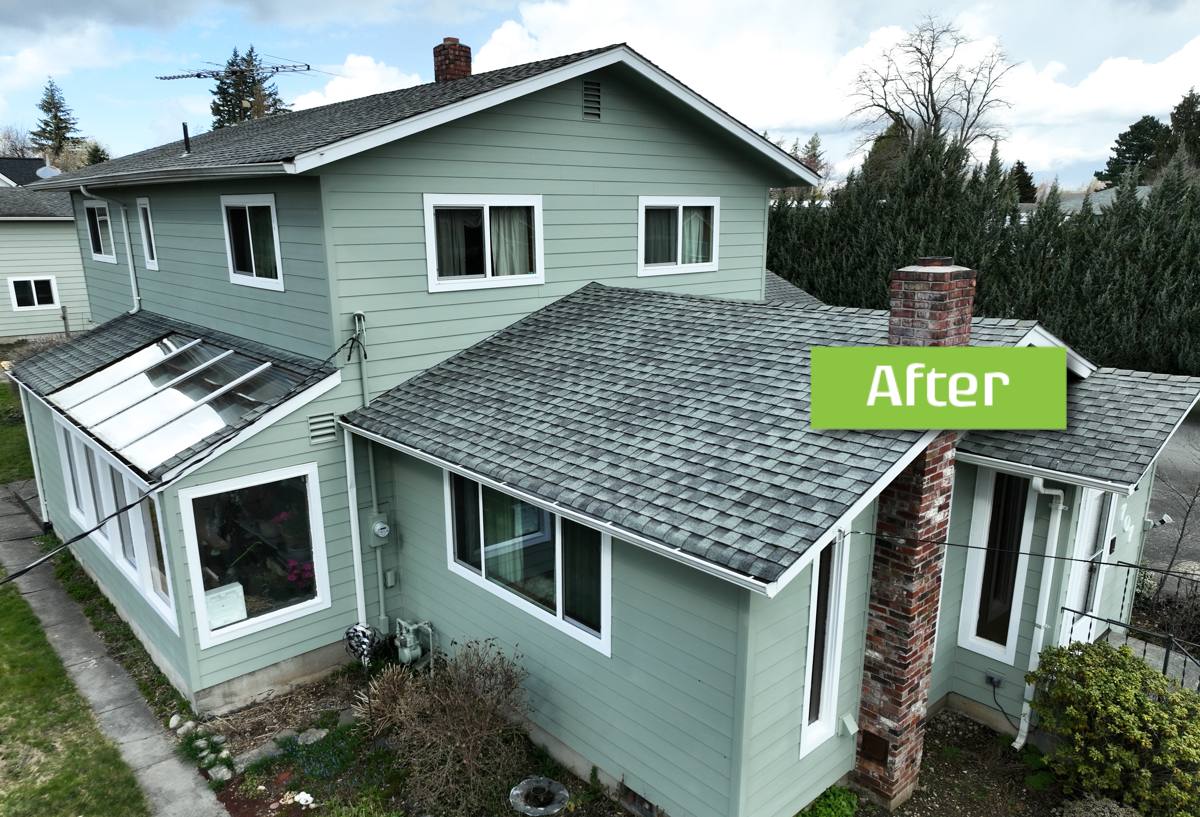
Why Fiber Cement Is the Right Call for a Barrier Island Home
Fiber cement siding is a mix of cement, sand, and cellulose fibers, cured into a rigid board that doesn't rot, doesn't feed insects, and doesn't warp the way wood-based products can. That's a good starting point for coastal Florida, but it's not the whole story — not all fiber cement is engineered the same way, and installation quality matters just as much as the product itself.
What Salt Air and UV Actually Do to Siding
- Salt air is mildly corrosive and accelerates wear on fasteners, flashing, and any exposed raw wood or unsealed edges.
- Constant UV breaks down pigments and resins over time, which is why cheap paint jobs on siding chalk and fade faster in this climate than they would further north.
- Wind-driven rain finds any gap in a butt joint, a poorly flashed window, or a seam that wasn't caulked and back-primed, and pushes water behind the cladding instead of over it.
- Humidity swings between hot, saturated summer air and drier winter stretches put constant expansion-and-contraction stress on siding materials and their finishes.
Fiber cement handles all four of those better than wood, vinyl, or engineered wood products, largely because it's dimensionally stable — it doesn't swell and shrink with moisture the way wood-based siding does, so joints and caulk lines hold up longer.
Why We Install James Hardie and Nothing Else
We standardized on James Hardie fiber cement for every job we do, including St. Pete Beach, and we don't install vinyl, LP SmartSide, primed spruce, cedar, or other fiber cement brands like Allura or Cemplank. That's a deliberate professional standard, not a sales pitch, and it's worth explaining honestly.
James Hardie makes climate-specific product lines, and their HZ5 formulation is engineered for humid, high-moisture regions like the Gulf Coast — it's manufactured with that climate in mind rather than a one-size-fits-all approach. The ColorPlus finish is baked on at the factory under controlled conditions, which gives it better fade and chip resistance than field-applied paint, and it carries a substantially longer color warranty than most contractors can back with site-applied paint. Hardie is also non-combustible, which matters in a state where wildfire isn't the main concern but wind-driven ember exposure from neighboring structures during storms and outages still is.
Other fiber cement brands and engineered wood products aren't necessarily bad materials — some perform reasonably well when installed correctly. But we've made the call that consistency, warranty backing, and long-term performance on salt-exposed coastal homes matter more than offering every option on the shelf. Standardizing on one manufacturer also means our crews install the same system, with the same details, on every job — which is where a lot of siding failures actually originate, regardless of brand.
James Hardie vs. Common Alternatives — Coastal Pinellas Context
| Material | Moisture Behavior on the Coast | Finish Durability | Why We Pass on It |
|---|---|---|---|
| Vinyl siding | Doesn't rot, but can warp or crack under sustained high heat and impact | Color is molded in, but fades and chalks over time; can't be repainted easily | Lower wind resistance ratings and a look that doesn't hold up to close inspection over decades |
| LP SmartSide (engineered wood) | Treated wood strand product; vulnerable if seams or cuts aren't fully sealed | Requires field or factory paint; edge sealing is critical | Wood-based core means moisture intrusion is a bigger long-term risk in a salt-air, high-humidity climate |
| Primed spruce / cedar | Natural wood; absorbs and releases moisture, expands and contracts | Needs regular repainting and caulking maintenance | Highest maintenance burden of any option in this climate; shortest realistic lifespan on the beach |
| Other fiber cement (Allura, Cemplank) | Similar cement-based core to Hardie | Varies by product line and finish process | We standardize on one manufacturer's system and warranty rather than mixing installation details across brands |
| James Hardie fiber cement | Engineered HZ5 formulation for humid, coastal climates | Factory-applied ColorPlus finish, long transferable color warranty | Our standard — non-combustible, climate-engineered, backed by a manufacturer warranty we trust |
What Correct Installation Actually Involves on a Beach Property
The siding material is only part of the equation. On St. Pete Beach specifically, installation details determine whether a job holds up for decades or starts showing problems within a few years.
Moisture Management Comes First
Before any board goes up, the wall needs a proper weather-resistant barrier and correctly integrated flashing around every window, door, and penetration. On a barrier island home, wind-driven rain will find any shortcut in this step. We install house wrap or building paper per Hardie's specifications, flash every opening so water sheds outward and down, and never rely on caulk alone to do a flashing detail's job.
Fastening and Joint Spacing
Hardie boards need to be fastened per manufacturer spec — correct nail or screw type, spacing, and depth. Overdriven fasteners crack the board's surface and create a moisture entry point; underdriven fasteners let the board move and eventually loosen. Butt joints need to be properly gapped, backed with flashing tape, and caulked with a high-quality sealant rated for coastal exposure — not just butted tight and painted over.
Clearance from Grade and Hardscape
Siding needs proper clearance from the ground, patios, decks, and roof lines to avoid constant moisture wicking and splash-back, which is a bigger issue on beach lots where landscaping, pool decks, and outdoor living space often sit close to the house.
Field Cutting and Sealing Edges
Any board cut on-site exposes raw fiber cement edges. Those cuts need to be sealed per Hardie's installation guidelines before the board goes up — skipping this step is one of the most common shortcuts that leads to early finish failure at cut edges, especially with the humidity swings this area sees.
Our Process for a St. Pete Beach Job
- On-site assessment. We walk the exterior, check the current siding or sheathing condition, look at flashing details around windows and rooflines, and note any moisture damage that needs to be addressed before new siding goes up.
- Written scope and product selection. We go over Hardie board profiles (lap, shingle, panel) and ColorPlus color options suited to coastal exposure, and put the plan in writing.
- Prep and moisture barrier installation. Old siding comes off, sheathing is inspected and repaired as needed, and a code-compliant weather-resistant barrier goes on correctly integrated with flashing.
- Installation to Hardie spec. Fastening, joint treatment, clearances, and cut-edge sealing are done per manufacturer requirements, not shortcuts.
- Final walkthrough. We inspect the completed job with the homeowner before calling it done.
Why a Crew That Already Works St. Pete Beach Matters
Coastal installation isn't fundamentally different work than inland siding, but the margin for error is smaller. A crew that regularly works barrier island properties in Pinellas County already knows to over-detail flashing, use fasteners and hardware appropriate for salt exposure, and account for wind exposure ratings that matter more here than a few miles inland. We're a Seminole-based crew, and St. Pete Beach is part of our normal service territory — we're not learning the local conditions on your job.
That familiarity also shows up in smaller, practical ways: knowing how HOA or condo association exterior guidelines commonly work in beach communities, understanding permitting timelines through Pinellas County and the local building department, and being realistic with homeowners about what a coastal exposure will and won't tolerate in terms of color and maintenance.
What to Check Before Hiring Anyone for Coastal Siding Work
- Ask specifically which fiber cement product line they install and whether it's rated for high-humidity, coastal climates.
- Ask how they handle flashing and joint sealing — a contractor who can't explain this in detail is a red flag.
- Confirm they pull the required permits rather than working without them.
- Ask whether they carry liability insurance and workers' compensation, and get it in writing.
- Ask about the manufacturer's warranty terms and whether it's transferable if you sell the home.
- Get a written scope of work, not just a verbal price — coastal jobs have more moving pieces than inland ones.
Maintenance Expectations on a Beach-Exposed Home
Even correctly installed fiber cement siding benefits from basic upkeep in this environment. A yearly rinse to clear salt residue off the surface, prompt attention to any caulk lines that start to crack or pull away, and periodic visual checks around window and door flashing go a long way. ColorPlus finish is designed to resist fading and chalking far better than field-applied paint, but no exterior finish is entirely maintenance-free on a barrier island — the goal is catching small issues before they become moisture problems.
Ready for a No-Pressure Estimate
If you're weighing a siding replacement on a St. Pete Beach property, we're happy to take a look, walk you through what correct installation involves for your specific home, and give you a straightforward estimate — no pressure, no upsell games. Use the form below to get started.