 Seminole Siding
 Why St. Pete Beach Siding Takes More Punishment Than Most
St. Pete Beach sits on a barrier island, which means every home there is closer to open Gulf water and salt air than almost anywhere else in Pinellas County. That proximity changes what siding has to survive. Salt-laden humidity works into seams and fasteners year-round. Summer sun bakes painted and laminate surfaces for months at a time. And when a tropical system or a strong seasonal storm pushes wind-driven rain sideways across the island, siding is the first line of defense between that water and your wall framing.
None of that is unique to St. Pete Beach in a dramatic sense — it's the same climate that shapes every Gulf-facing community in the region. But the barrier island location intensifies it. Salt exposure is more constant, humidity sits higher for longer stretches, and wind loading during storm events tends to run higher than a few miles inland in Seminole proper. Siding installed without those conditions specifically in mind — the wrong fastening pattern, a skipped flashing detail, a product that wasn't engineered for high-moisture coastal exposure — tends to show problems years earlier here than it would in a drier, more sheltered part of the county.
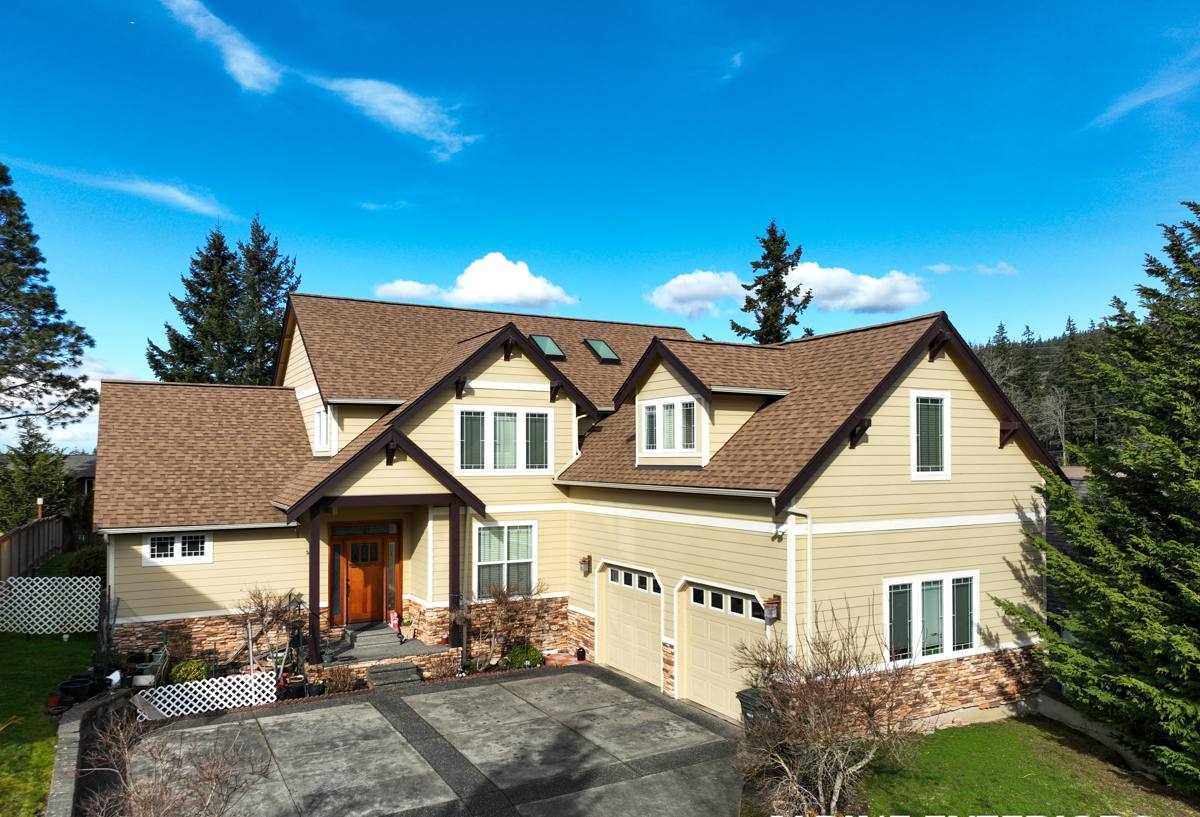
What a Correct Installation Actually Involves
Siding installation isn't just nailing panels to a wall. On a barrier island home, the parts you can't see after the job is done matter more than the parts you can. A correct install starts with the water management layer underneath the siding, not the siding itself.
Water Management Comes First
Every wall needs a continuous weather-resistive barrier, properly lapped so water sheds downward and outward instead of finding its way behind the siding. Windows, doors, and any wall penetration need flashing that integrates with that barrier — not caulk used as a substitute for flashing, which is a shortcut that fails quietly over a few humid seasons and shows up later as rot or mold nobody can see until it's a real repair. Bottom edges need proper clearance off decks, patios, and grade so splashback and standing moisture don't sit against the material.
Fastening Has to Match the Wind Exposure
Fastener type, spacing, and placement all change based on the wind exposure category for the home's location, and barrier island homes often sit in a higher exposure category than homes a few miles inland. Manufacturer fastening schedules exist for a reason — they're engineered to specific wind uplift and pull-through numbers. Installers who use a generic pattern regardless of location are cutting a corner that only becomes obvious during a real wind event, which is the worst possible time to find out.
Why We Install Only James Hardie Fiber Cement
We don't install vinyl, LP SmartSide, Cemplank, Allura, or primed wood siding — not because those products have no legitimate use anywhere, but because after years of coastal installation and repair work, we standardized on one product system that holds up to this specific climate without asking homeowners to gamble on it. James Hardie fiber cement is non-combustible, dimensionally stable in heat and humidity, and doesn't rely on a field-applied paint job to protect it from UV and salt exposure the way some alternatives do.
The HZ5 Formulation
James Hardie engineers its HZ product lines for different climate zones, and Florida's Gulf Coast falls into the HZ5 category — formulated specifically for high-humidity, high-moisture-exposure regions. That's a meaningful distinction from siding built for a general national market. For a St. Pete Beach home, that climate-specific engineering is doing real work every day, not just on paper.
ColorPlus Factory Finish
Hardie's ColorPlus finish is baked on at the factory under controlled conditions, which gives it better fade and wear resistance than field-applied paint, along with a warranty that covers the finish itself, not just the substrate. On a home that gets this much sun and salt exposure, that finish durability directly translates into fewer repaint cycles and a better-looking house for longer.
How Our Installation Process Works
We keep the process straightforward and don't skip the steps that protect you after we've left the site.
- On-site assessment. We look at your current siding, wall condition, and any moisture or rot issues before quoting anything — a barrier island home that's had prior water intrusion needs that addressed before new siding goes up, not covered by it.
- Tear-off and substrate check. Removing old siding lets us verify sheathing condition and catch problems a visual inspection from outside can't reveal.
- Weather-resistive barrier and flashing installation. This is the step that determines how the wall performs for the next several decades, done to manufacturer and code specification, not shortcuts.
- Hardie panel or plank installation. Fastened to the pattern appropriate for the home's wind exposure, with correct clearances at grade, decks, and trim.
- Final inspection and walkthrough. We go over the finished work with you before calling the job done.
What Drives the Cost of a St. Pete Beach Siding Job
Every home is different, and we won't quote a number without seeing the property, but these are the factors that consistently move the price up or down.
| Factor | Why It Matters |
|---|---|
| Home size and wall complexity | More square footage and more corners, gables, and trim details mean more labor and material |
| Condition under the existing siding | Rotted sheathing or prior water damage needs repair before new siding goes on, which adds scope |
| Siding profile chosen | Lap siding, shingle-style panels, and board-and-batten each have different material and labor costs |
| Trim and accessory work | Corner boards, window and door trim, and fascia detailing add finish quality but also time |
| Site access | Tight lots, fencing, pools, and landscaping close to the walls can slow installation |
| Color and finish selection | Standard ColorPlus colors versus premium or custom options carry different material pricing |
Mistakes We Regularly Find on Older Barrier Island Homes
Because we work in this area regularly, we see the same set of problems repeat on homes that had siding installed without coastal exposure in mind.
Missing or Improper Flashing
Caulk alone around windows and penetrations instead of proper step or head flashing is the single most common issue we find, and it's almost never visible until water has already gotten behind the wall.
Wrong Fastener Spacing for the Exposure Category
Installers unfamiliar with barrier island wind loading sometimes use inland fastening schedules, which leaves the siding under-secured for the wind pressures this location actually sees.
Insufficient Clearance at Grade and Hardscape
Siding installed too close to patios, pool decks, or soil traps moisture against the bottom edge, which is where rot most often starts.
Why Hiring a Crew That Already Works St. Pete Beach Matters
Coastal and barrier island construction isn't a different trade, but it is a different set of habits. A crew that installs siding across a range of inland and coastal conditions in Pinellas County already knows the wind exposure categories that apply on the island, already understands why the water management details can't be shortcut here, and already has a feel for how salt air and humidity affect long-term performance of different products. That local, repeated experience is what shows up ten years later as a wall that's still tight and dry, versus one that isn't.
It also matters for permitting and inspection. Local building departments know what correct installation looks like for this region's wind and flood provisions, and a contractor who works here regularly isn't learning those requirements on your job.
Maintaining Your Siding After Installation
Correctly installed James Hardie siding is low-maintenance, not no-maintenance — especially this close to the Gulf. A little routine attention keeps it performing the way it's designed to.
- Rinse salt spray and airborne residue off exterior walls periodically, especially after storm events
- Inspect caulking at trim, window, and door joints annually and have any cracked or shrunken sections redone
- Keep irrigation heads and sprinklers from spraying directly on siding surfaces
- Trim back landscaping so foliage isn't holding moisture against the wall
- Walk the exterior after major storms and note anything that looks loose, cracked, or displaced
- Repaint on the schedule appropriate to your finish if you ever choose a field-applied color rather than ColorPlus
If your St. Pete Beach home needs new siding or you want a second opinion on a quote you've already received, we're happy to take a look and walk you through what your home actually needs. Reach out for a free, no-pressure estimate using the form below.