 Seminole Siding
 St. Pete Beach Homes Face a Tougher Storm Equation
St. Pete Beach sits out on the barrier island, with the Gulf of Mexico on one side and the Intracoastal Waterway on the other, which means every roof here takes weather from two directions at once. That exposure is part of what makes the area beautiful and part of what makes roofing harder. When a named storm or even a strong seasonal thunderstorm line moves through, homes on this stretch of the island tend to see more wind, more wind-driven rain, and more debris impact than the same storm produces a few miles inland in Seminole or elsewhere in Pinellas County.
We work storm damage repairs throughout the area, and St. Pete Beach comes up constantly because of that exposure. This page is specifically about repairing storm damage on St. Pete Beach roofs — not a general damage-repair page — because the way we assess, document, and rebuild a roof out here has to account for a barrier-island climate that's harder on a roof system than almost anywhere else in the county.
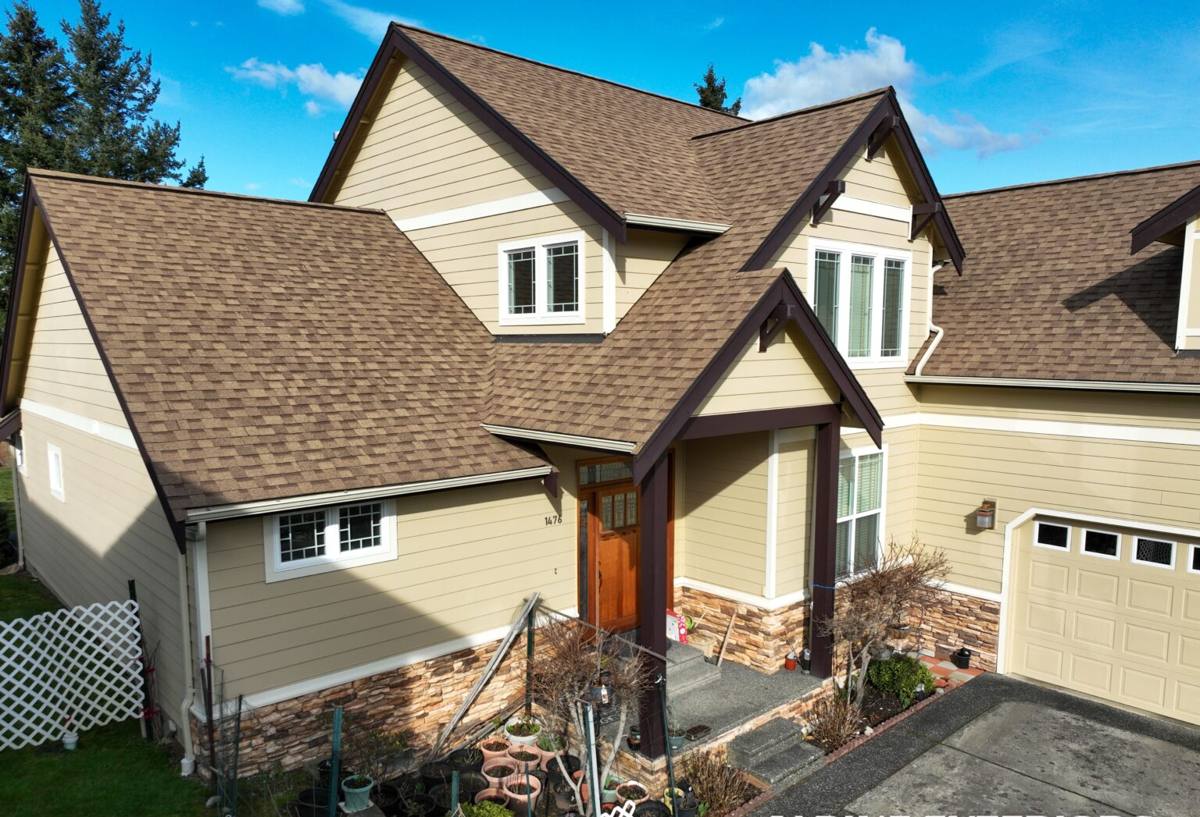
What Storms Actually Do to a St. Pete Beach Roof
Hurricane-Force Wind Uplift
Wind doesn't just push on a roof, it pulls. As air moves across a roof plane and over the edges, it creates negative pressure that lifts shingles, tiles, and panels from underneath — especially at edges, ridges, and corners where uplift forces concentrate. A roof that's properly fastened and detailed at those transition points can take a real beating and stay intact; one with a marginal nailing pattern, old fasteners, or aging underlayment often loses coverage exactly where the wind works hardest.
Wind-Driven Rain Intrusion
Rain that's being pushed sideways at 40, 60, or 90+ mph doesn't behave like ordinary rainfall. It finds its way under lifted shingle tabs, through gaps at flashing that's lost its seal, and around vent boots and pipe penetrations that a calm rain would never reach. On a lot of the storm calls we run in this area, the roof covering itself isn't gone — the water got in through a small opening that wind pressure forced it through, and the real damage shows up later as staining, soft decking, or a ceiling leak days after the wind has already died down.
Salt Air and Corrosion
Being this close to the Gulf means airborne salt is a constant presence on every exterior surface, roofs included. Salt accelerates corrosion on exposed fasteners, flashing, and metal roof edges, and it works on a timeline measured in years rather than days. After a storm, we look closely at metal components that may have been fine before the event but are now compromised enough by prior salt exposure that the storm's wind and rain finished the job.
Year-Round UV Baseline Stress
Florida's sun exposure means St. Pete Beach roofs are already carrying UV-related wear before a storm ever arrives — brittle sealants, granule loss on aging shingles, and coatings that have lost some flexibility. A roof in that condition has less give left in it when high wind and impact hit, which is one reason two homes that look similar from the street can come through the same storm with very different amounts of damage.
Common Storm Damage We Find on Barrier Island Roofs
No two storm calls look identical, but on St. Pete Beach specific patterns show up often enough that we check for them on every inspection:
- Lifted, cracked, or missing shingles concentrated at ridges, hips, and roof edges
- Torn or missing flashing around chimneys, vent stacks, and roof-to-wall transitions
- Displaced or cracked tiles on tile roofs, often from wind-driven debris rather than wind alone
- Soft or discolored decking discovered only once damaged covering is pulled back
- Gutter and fascia separation from sustained wind loading
- Granule loss and exposed matting on shingles that were already near the end of their service life
- Corroded fasteners and flashing that failed at lower wind speeds than newer hardware would have
What a Correct Storm Damage Repair Actually Involves
Assessment Beyond What's Visible From the Ground
A drive-by look at a roof after a storm tells you very little. We get on the roof, check the decking underneath compromised areas, and trace water paths that may have traveled well away from the point of entry before showing up as a stain inside the house. Repairing only what's visible from the street is how homeowners end up back on the schedule six months later for a leak that was never actually fixed the first time, just covered over.
Matching Material and Fastening to Local Wind Requirements
Florida Building Code sets wind-resistance and fastening requirements that scale with a property's location and exposure category, and a barrier-island home like one on St. Pete Beach typically falls into a higher wind-design tier than an inland Pinellas County property. A correct repair uses fasteners, nailing patterns, and underlayment rated for that exposure, not whatever's fastest to install. Patch work that ignores those requirements may pass a casual look but won't hold up in the next event, and it can also create problems if the work needs to be verified for insurance or resale later.
Flashing and Underlayment Details
Most storm leaks trace back to flashing, not to the field of the roof itself. Any correct repair re-establishes proper laps and seals at every valley, penetration, and wall transition that was disturbed, and replaces underlayment in the repaired section rather than just re-covering compromised material. Skipping this step is the single most common shortcut we see from repairs that don't hold up through the next storm season.
Our Process for St. Pete Beach Storm Repairs
- On-site inspection of the full roof, not just the area with obvious damage, including a check of decking and structure where coverage has been compromised
- Clear photo documentation of every damaged area, useful for both our own repair plan and for insurance purposes
- A straightforward written scope: what's damaged, what needs to be replaced versus repaired, and why
- Temporary weatherproofing where needed to stop active water intrusion while a full repair is scheduled
- Repair work performed to current wind and fastening requirements, not just matched to what was there before
- Final walkthrough covering what was done, what to watch for, and basic care going forward
Repair vs. Replacement: How We Help You Decide
Not every storm-damaged roof needs to come off entirely, but not every roof is a good candidate for a patch either. A few factors we walk through with St. Pete Beach homeowners:
| Factor | Favors Targeted Repair | Favors Full Replacement |
|---|---|---|
| Roof age relative to expected service life | Roof is relatively young, damage is isolated | Roof was already near or past typical service life |
| Extent of damage | Damage confined to one or two roof planes or details | Damage spread across most of the roof surface |
| Underlying decking condition | Decking is sound once exposed | Widespread soft or compromised decking found |
| Prior repair history | Roof has no history of repeated leaks in the same areas | Roof has a pattern of recurring problems in multiple spots |
| Insurance and cost considerations | Repair cost is proportional to remaining roof value | Repair cost approaches a meaningful share of full replacement cost |
We'll give you our honest read on where your roof falls on that spectrum rather than defaulting to whichever option is easier to sell. Sometimes a targeted repair is genuinely the right call, and we'll say so.
Working With Storm Damage Documentation
Whether or not a claim is involved, thorough documentation matters. We photograph damage before any repair work begins, keep a clear written scope of what was found and what was done, and can walk a homeowner or their insurance representative through the reasoning behind the repair plan. We don't inflate a scope to pad a claim and we don't shrink one to win the job — the goal is an accurate picture of what the storm actually did and what it takes to fix it correctly, because a repair that's under-scoped now usually costs more to fix properly later.
Why a Crew That Already Works St. Pete Beach Matters
Storm damage repair is unforgiving of guesswork, and a crew that regularly works this barrier island has already seen how wind, salt air, and wind-driven rain interact with roofs out here specifically — which flashing details tend to fail first, which roof orientations take the worst of a given storm track, and what Florida Building Code actually requires for this location's wind exposure rather than a generic county-wide assumption. That local pattern recognition is the difference between a repair that's cosmetically fine today and one that's still sound after the next storm season.
It also matters for timing. In the days after a significant storm, roofing crews across Pinellas County get stretched thin, and homeowners on St. Pete Beach are competing for attention with every other damaged roof in the region. A crew that already has a presence in the area and understands the island's access and material-delivery logistics can generally get eyes on a damaged roof and a temporary weatherproofing fix in place faster than one working the area for the first time.
Signs Your Roof Needs a Post-Storm Inspection Now
- Any visible missing, lifted, or cracked shingles or tiles after a wind event
- New water stains on ceilings or interior walls, even faint ones
- Granules collecting in gutters or at downspout discharge points
- Visible daylight or gaps around vent boots, chimneys, or roof-to-wall junctions from the attic
- Sagging or soft-feeling roof sections when safely visible or accessible
- Debris impact marks, dents, or punctures anywhere on the roof surface
Not every one of these means major damage, but any of them is a reason to get a professional look before the next storm rolls through, not after another leak has already started.
If you're on St. Pete Beach and dealing with storm damage, or just want a roof checked out ahead of the next storm season, we're glad to come take a look. Use the form below for a free, no-pressure estimate.