 Seminole Siding
 Windows on a Barrier Island Take a Different Kind of Beating
St. Pete Beach sits out on the Gulf side of Pinellas County, which means every window in a home there is doing more work than a window fifteen miles inland in Seminole. It's absorbing direct salt air almost every day of the year, taking UV exposure that fades and degrades seals faster, and standing up to wind-driven rain that finds its way through the smallest gap in flashing or caulk. When a named storm comes through, those same windows are one of the first things tested at full force. Replacing windows out here isn't just a cosmetic upgrade — it's a decision about how the house performs under real coastal conditions, and it's worth getting right the first time.
We work throughout Seminole and the surrounding Pinellas County coastline, and St. Pete Beach jobs come with their own set of considerations we plan for before we ever quote a price.
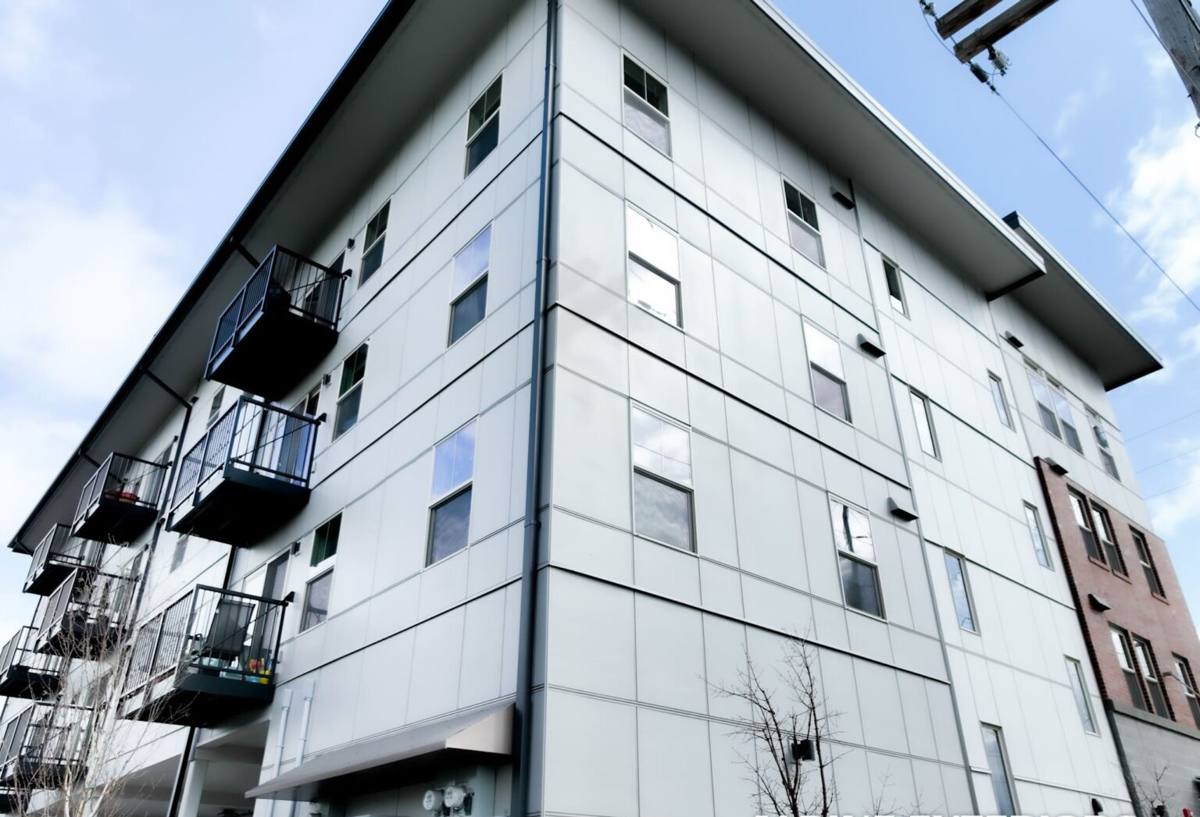
What Florida's Coastal Wind Requirements Mean for Your Project
Pinellas County enforces the Florida Building Code's high-velocity coastal provisions for homes in wind-borne debris regions, which covers most of St. Pete Beach. In practice, that means replacement windows generally need to carry a current Florida product approval (an NOA or state approval number) rating them for the wind pressures and impact resistance required at your specific address. The exact pressure rating depends on your home's exposure category, height, and roof geometry — a beachfront condo unit and a single-story home a few blocks back from the water can have different requirements even though they're both in St. Pete Beach.
This isn't a box to check for paperwork's sake. A window rated for the wrong wind zone can fail at its weakest point during a storm, and that failure often causes far more interior damage than the window itself — once wind gets inside through a broken window, it puts pressure on the roof structure from underneath. We pull the correct wind load and impact requirements for your address before we ever recommend a product.
Impact Glass vs. Shutters with Non-Impact Glass
Homeowners sometimes ask whether they can save money by installing standard glass and relying on shutters or panels during storms. Code allows that approach in many cases, but it depends on someone being home (or hired) to deploy protection before every storm, every time, with no exceptions. Impact-rated glass is engineered to stay in the frame and keep the building envelope intact even if the outer layer cracks, with no action required from you. We'll walk through both options honestly, including the real cost difference, but our default recommendation for St. Pete Beach is impact glass because it's protection that doesn't depend on timing.
Choosing Frame and Glass Materials for Salt Air Exposure
Material choice matters more on St. Pete Beach than almost anywhere else in Seminole's service area, because salt air accelerates corrosion of hardware, pitting of poorly coated metal, and breakdown of certain sealants. Here's how the common options actually hold up in that environment:
| Frame Material | Salt Air Performance | Maintenance | Typical Trade-Off |
|---|---|---|---|
| Vinyl | Good — won't corrode or rust | Low; occasional cleaning | Limited color/finish options; can expand/contract with heat |
| Fiberglass | Very good — dimensionally stable, resists pitting | Low | Higher upfront cost than vinyl |
| Aluminum | Requires marine-grade coating and quality hardware or corrosion becomes an issue | Moderate — hardware inspection matters | Slim sightlines, strong, but coating quality is critical this close to the Gulf |
| Wood/wood-clad | Poor without diligent upkeep near open water | High | We generally don't recommend it for direct coastal exposure |
We don't push one material on every job. A vinyl or fiberglass frame is usually our first recommendation for homes with direct Gulf exposure because the maintenance burden stays low and there's no metal to corrode, but the right call depends on your home's style, budget, and how close you are to open water.
Glass Options Worth Understanding
- Laminated glass — an interlayer holds the glass together on impact, which is what gives most impact-rated windows their strength; it also cuts outside noise noticeably.
- Low-E coatings — reduce solar heat gain, which matters given how much direct sun a west-facing beach home takes; helps with cooling costs and reduces UV fading of interior furnishings.
- Insulated (double-pane) glass — improves energy performance, but the seal quality determines how long it stays fog-free in a humid, salty environment.
- Tempered glass — required in certain locations (near doors, low sills, wet areas) by code regardless of impact rating.
Signs a St. Pete Beach Home Needs New Windows
Some of these show up gradually, others get exposed the first time a real storm rolls through:
- Fogging or a persistent haze between panes — the seal has failed and insulating value is gone
- Frames that feel soft, stained, or show corrosion streaks around hardware
- Windows that are difficult to open, close, or lock — frames can rack out of square over time
- Visible daylight or a draft around the frame when the window is closed
- Water intrusion or staining on the interior wall or sill after wind-driven rain
- Windows that predate current wind-borne debris code and have no impact rating or approved protection
- Noticeably higher cooling bills that coincide with aging, single-pane, or poorly sealed windows
What a Correct Installation Actually Involves
The window product matters, but installation quality is what determines whether it performs when it counts. A rushed or improperly flashed install can leak or fail even with a top-rated window in the frame. The details that matter most on a coastal job:
- Removing the old unit without damaging the rough opening, and checking the framing and sill underneath for hidden rot or moisture damage before anything new goes in
- Properly flashing and sealing the opening so water is directed out, not trapped behind the new frame
- Shimming and fastening according to the manufacturer's tested installation instructions — this is what the wind rating actually depends on, not just the glass itself
- Using sealants and fasteners rated for coastal/marine exposure, not standard interior-grade products
- Confirming the finished install matches the permit and product approval on file for your address
- Cleanup and haul-away of the old units and debris
Our Process
- On-site assessment: we measure every opening, check framing condition, and note your home's specific wind exposure and any HOA or condo requirements.
- Product recommendation: we walk through frame material, glass package, and impact rating options with honest trade-offs — no upselling to the most expensive option by default.
- Permitting: we handle the permit application with the required product approval documentation for your address.
- Installation: proper removal, flashing, sealing, and fastening per manufacturer specs, with attention to the rough opening condition the whole way through.
- Final inspection and walkthrough: we confirm operation, sealing, and code compliance, and go over care before we consider the job done.
Salt Air and Long-Term Care
Even a well-installed window on St. Pete Beach benefits from a little routine attention. Salt residue builds up on glass, frames, and especially hardware — hinges, locks, and rollers — faster this close to the Gulf than it does further inland in Seminole. Rinsing exterior frames and hardware periodically with fresh water, keeping weep holes clear of sand and debris, and having sealant checked every few years goes a long way toward protecting the investment. We're happy to walk any homeowner through a simple maintenance routine at the end of a job.
Permits, HOA, and Condo Considerations
A lot of St. Pete Beach housing stock is condos, townhomes, and HOA-governed single-family homes, which adds a layer most inland Seminole jobs don't have. Many associations have their own approval process, approved color/style lists, or timing restrictions for exterior work — separate from the county permit itself. We factor that into scheduling from the start rather than discovering it partway through a job, and we're glad to work directly with a property manager or board when that's how your community operates.
Why Hire a Crew That Already Works St. Pete Beach
Every coastal city in Pinellas County has slightly different practical realities — flood zone quirks, HOA processes, exposure categories, even how salt-laden the air is block by block. A crew that already does regular work in St. Pete Beach isn't guessing at any of that. We know what documentation the permitting process wants for coastal wind-borne debris zones, we've seen what salt air does to the wrong hardware choice within a few years, and we're not learning the neighborhood's HOA quirks on your project. That familiarity shows up as fewer surprises and a smoother permit process, not just a faster sales pitch.
If you're weighing a full window replacement or just want an honest read on whether your current windows are holding up, we'll come take a look and give you a straightforward, no-pressure estimate — just fill out the form below to get started.