 Seminole Siding
 Fiber Cement Siding Built for St. Petersburg's Coastal Conditions
St. Petersburg sits close enough to Tampa Bay and the Gulf that its homes take a different kind of beating than houses even twenty miles inland. Salt-laden air moves through neighborhoods on the sea breeze almost daily, the sun is intense and constant for most of the year, and when a tropical system or a strong summer squall line comes through, it brings sideways rain and gusts that find every weak point in an exterior wall. Siding here isn't just a cosmetic choice — it's the first line of defense for the house behind it.
We install James Hardie fiber cement siding exclusively, and this page focuses on one thing: what a fiber cement siding project for a St. Petersburg home actually requires, from product selection through installation detail, and why local experience matters as much as the material itself.
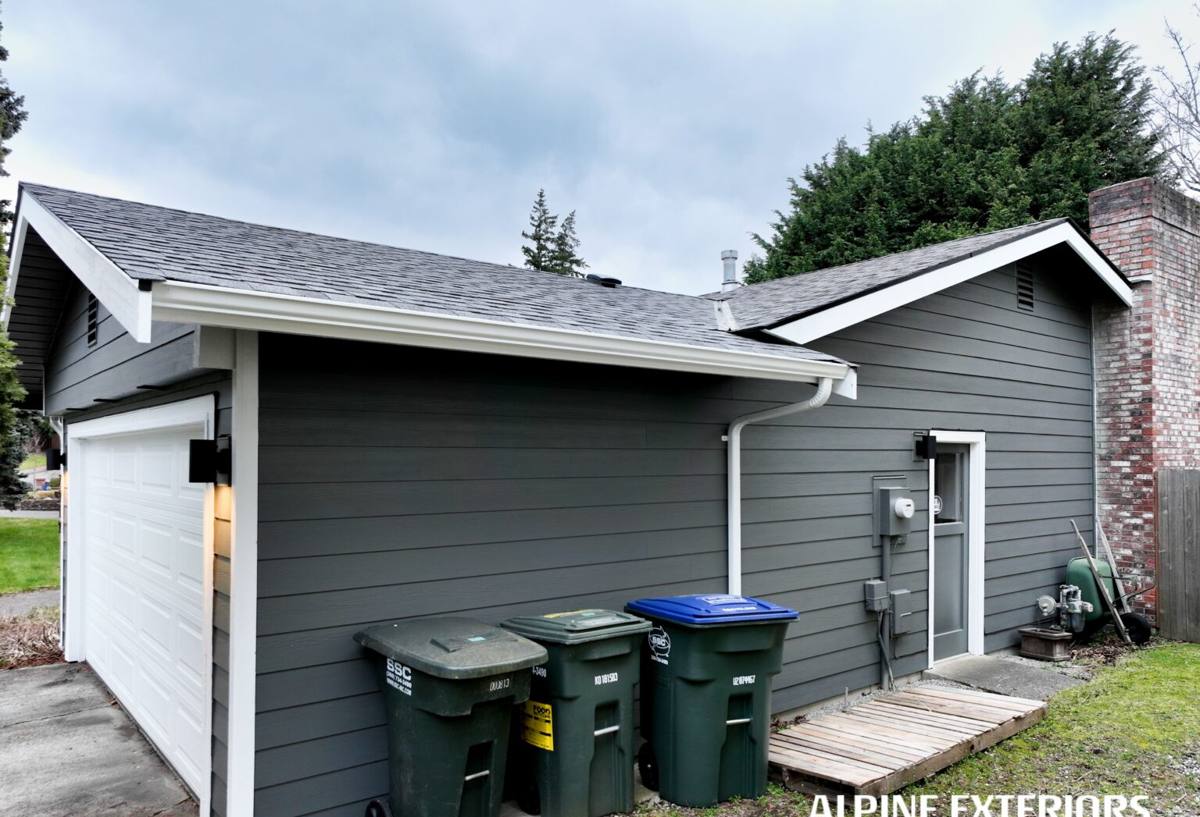
What Pinellas County's Climate Does to Exterior Siding
Salt Air and Corrosion
Homes near Tampa Bay and the Gulf coastline are exposed to airborne salt that settles on every exterior surface. Over time, salt exposure accelerates the breakdown of paint films, corrodes exposed metal fasteners, and speeds up wear on materials that weren't engineered to resist it. Siding, trim, and the fasteners holding them on all need to be chosen with that exposure in mind, not treated as an afterthought.
Year-Round UV Load
Florida's sun doesn't take a season off. Siding that relies on a field-applied paint job typically starts chalking, fading, or peeling well before homeowners expect it to, and repainting a full exterior every several years is a real, recurring cost that many people don't budget for when they choose a siding product.
Wind-Driven Rain
Rain in this part of Florida rarely falls straight down during a storm — it's pushed sideways by wind, which means it gets forced up under laps, into seams, and behind trim wherever the installation isn't detailed correctly. A siding product's water resistance matters less than how well the specific installation manages water at every joint, corner, and penetration.
Hurricane-Force Wind Loads
Pinellas County sits in a high-velocity hurricane zone, and local wind speed design requirements reflect that. Siding has to be fastened to hold under sustained wind pressure and wind-borne debris impact, not just look good on a calm day. Installation details like fastener pattern, spacing, and embedment matter as much as the product itself when wind loads are part of the equation.
Why We Install Only James Hardie Fiber Cement
We made a deliberate decision to install one product system — James Hardie fiber cement — rather than offer a menu of vinyl, engineered wood, or other fiber cement brands. Fiber cement is non-combustible, dimensionally stable in heat and humidity swings, and resistant to the pests and rot that affect wood-based products. Within fiber cement, James Hardie's HZ5 product line is specifically engineered for hot, humid, high-moisture climates like ours, and the ColorPlus factory finish is baked on and warranted against fading, which matters enormously under Florida's UV load compared to a field-applied paint job that starts degrading almost immediately.
We won't say other products can't be installed correctly — but standardizing on one system lets our crews master the flashing details, fastener specs, and caulking practices that make the real difference in how siding performs here, rather than splitting attention across multiple systems with different rules.
What a Correct Fiber Cement Siding Installation Involves
Fiber cement performs exactly as well as the installation behind it. The material is only one part of the system — the water-resistive barrier, flashing, fastening, and joint treatment underneath and around it do most of the actual work of keeping a house dry and the siding attached in a storm.
- A code-compliant weather-resistive barrier installed and lapped correctly, with all penetrations sealed before siding goes on
- Proper flashing at every window, door, and roof-to-wall intersection so water is directed out, not trapped behind the cladding
- Correct fastener type, length, and spacing driven into structural framing, following James Hardie's published fastening schedule for our wind zone
- Manufacturer-specified clearances at the ground, roofline, and any horizontal surface to prevent moisture wicking into the plank
- Butt joints and trim seams treated with the correct sealant, not just caulked over as a cosmetic finishing step
- Factory-primed cut edges resealed with the manufacturer-approved product before installation, since exposed raw edges are a common failure point
Skipping any one of these steps doesn't necessarily show up right away — it shows up two or three years later as a moisture problem, a fastener stain, or a plank that's come loose in a storm. That delay is exactly why installation quality is harder for a homeowner to evaluate upfront than it should be.
Choosing the Right Hardie Product Line for a St. Petersburg Home
James Hardie makes several plank profiles and product lines, and the right choice depends on the home's style and exposure, not just personal preference. For coastal Pinellas County homes, we generally steer toward the HZ5 climate-engineered line, which is formulated specifically for high-humidity, high-moisture regions like the Gulf Coast. Beyond the base product, the ColorPlus finish options let homeowners get a factory-baked color that resists the fading our sun causes in ordinary paint, and it comes with its own finish warranty separate from the substrate warranty.
Plank Style Considerations
Lap siding profiles, board-and-batten, and shingle-style Hardie products all handle wind and rain differently once installed, mostly due to how their joints and reveals are detailed. We walk through profile options with each homeowner based on the home's architecture and how exposed particular elevations are to prevailing wind and rain direction.
Our Process for a St. Petersburg Siding Project
- On-site assessment — we inspect the existing siding, sheathing, and any signs of moisture intrusion before quoting anything
- Product and color selection — choosing the right Hardie line, profile, and ColorPlus finish for the home and its exposure
- Tear-off and substrate check — removing old siding and inspecting the sheathing underneath for rot or damage before it's covered up again
- Weather barrier and flashing installation — the water management layer that does the real work once the siding is on
- Siding installation — following manufacturer fastening schedules for our wind zone, with attention to every joint and penetration
- Trim, caulking, and final finish — sealing and finishing details that determine how the job ages over the next 10-15 years
- Final walkthrough — reviewing the completed work with the homeowner before we consider the job done
What Affects the Cost of a Fiber Cement Siding Project
| Factor | Why It Matters |
|---|---|
| Home size and number of stories | More surface area and higher elevations mean more material and labor time |
| Condition of existing sheathing | Rot or moisture damage found during tear-off may need repair before new siding goes on |
| Plank profile and trim complexity | Board-and-batten, extensive trim, or architectural detail add labor beyond a simple lap-siding install |
| ColorPlus vs. field-painted finish | Factory-finished ColorPlus costs more upfront but avoids repainting costs down the road |
| Number of windows, doors, and penetrations | Each one requires flashing and trim work that adds time regardless of overall square footage |
| Removal and disposal of old siding | Tear-off, haul-away, and disposal fees vary based on the existing material and volume |
We give homeowners an honest, itemized estimate rather than a single flat number, so it's clear what's driving the cost and where there's room to make choices.
Why Hiring a Crew That Already Works in St. Petersburg Matters
A siding crew that regularly works in this part of Pinellas County already knows the wind speed design requirements local permitting expects, understands how the salt air and moisture patterns here behave differently than in a drier inland market, and has already worked through the practical realities of scheduling around Gulf Coast weather. That local familiarity shows up in fewer surprises during permitting, fewer callbacks after storms, and a crew that isn't learning the region's quirks on your project. It's a meaningful difference from hiring an out-of-area contractor who installs siding correctly in general but hasn't had to account for what this specific coastline does to a house over time.
If you're considering fiber cement siding for a home in St. Petersburg, we're happy to walk the property, look at what's there now, and put together a straightforward, no-pressure estimate. There's no obligation — just an honest look at what your home needs and what it would take to do the job right. Use the form below to get started.