 Seminole Siding
 St. Petersburg's Climate Is Hard on Siding — Here's Why
St. Petersburg sits on a peninsula surrounded by Tampa Bay and the Gulf, which means homes here take on a combination of stresses that inland Florida properties rarely see all at once. Salt-laden air moves in off the water and settles on exterior surfaces year-round, accelerating corrosion of fasteners and finishes. Intense, near-constant UV exposure breaks down lesser materials and fades paint faster than most homeowners expect. Add wind-driven rain that gets forced sideways into seams and laps during storms, and the periodic threat of hurricane-force wind gusts, and you have a climate that will find every weakness in a siding system within a few years, not a few decades.
This isn't a reason to panic about your home's exterior — it's a reason to be specific about what kind of siding goes up and how it's installed. A product and installation method that hold up fine in a drier, calmer climate can fail early here. That's the lens we use on every St. Petersburg job.
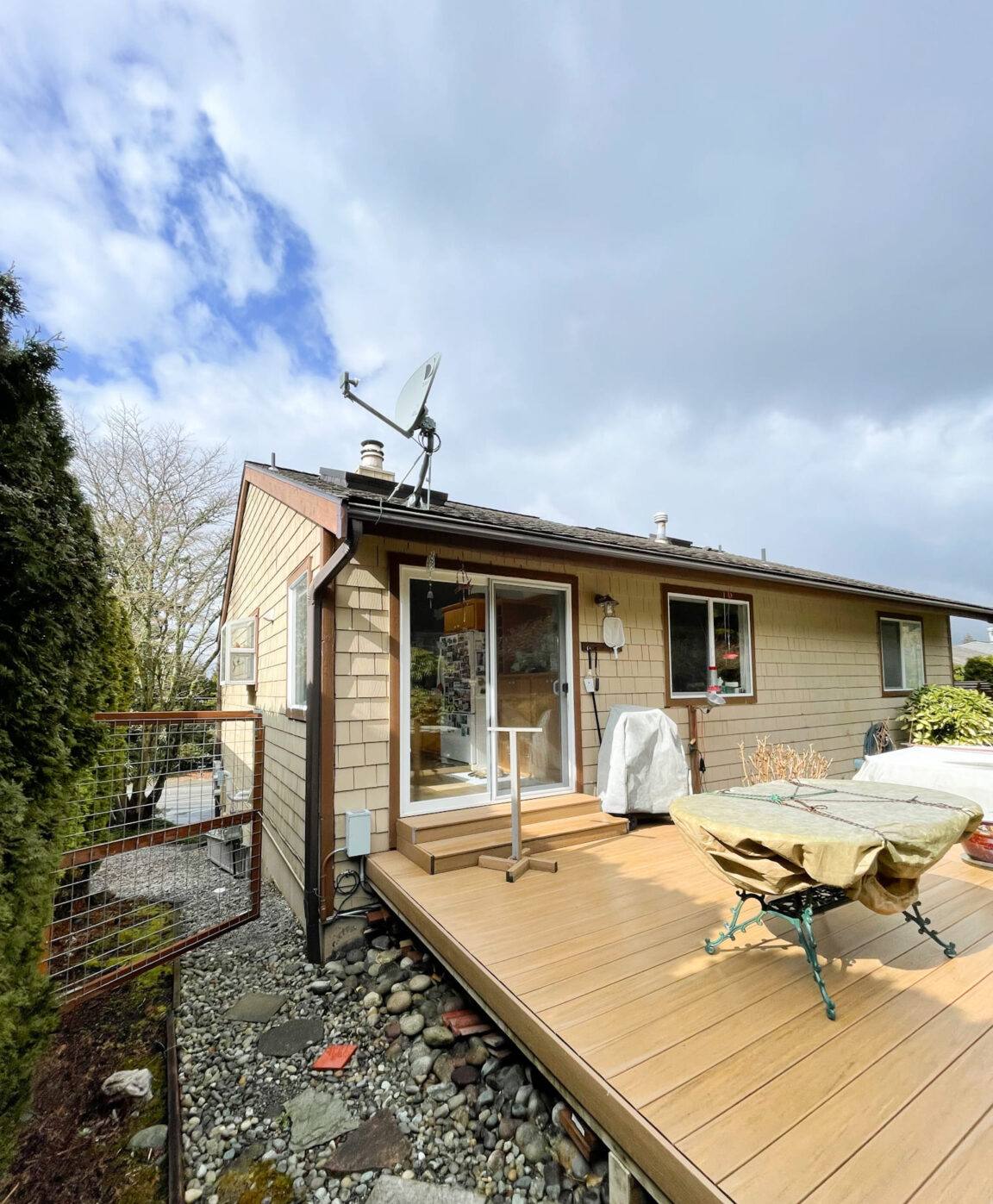
What "Correct" Siding Installation Actually Involves
Siding failures in this area are rarely about the panels themselves — they're almost always about what happens underneath and behind them. A siding job can look perfect from the curb and still be set up to trap moisture or let wind get behind the panels.
The Weather Barrier and Flashing
Before any siding goes on, the wall needs a continuous, properly lapped weather-resistant barrier, with flashing integrated at every window, door, and penetration so water is directed out and down, never inward. In a market with this much wind-driven rain, gaps or shortcuts here are what eventually show up as rot, stains, or mold inside the wall cavity — long after the crew that did the shortcut work is gone.
Fastening and Clearances
Fiber cement siding has manufacturer-specified nailing patterns, fastener types, and minimum clearances from rooflines, decks, and grade. Skipping these specs to save time is one of the most common causes of early siding problems, because it changes how the panels expand, contract, and shed water. In a coastal wind zone, correct fastening also affects how well the siding stays put during high-wind events.
Joints, Caulking, and Panel Gaps
Every seam is a potential entry point for water. Panels need the gaps the manufacturer specifies, and joints need to be treated with the right sealant, not just caulked over as an afterthought. Done right, this is invisible. Done wrong, it's where the first signs of trouble usually appear.
What to Ask Any Siding Crew
- Do you install a continuous weather-resistant barrier with integrated flashing, or just wrap the existing sheathing?
- What fastener type and pattern do you use, and does it match the manufacturer's published specs?
- Do you follow the manufacturer's minimum clearance requirements from roofs, decks, and soil?
- Who handles warranty claims if something goes wrong — you, or do we have to go through the manufacturer alone?
- Can you walk me through your process for this specific product before work starts?
Why We Install Only James Hardie Fiber Cement
We made a deliberate decision to install one siding system across every job we take on: James Hardie fiber cement. We don't install vinyl, LP SmartSide, Cemplank, Allura, or wood siding, and that's not a marketing position — it's a practical one based on what actually holds up under Gulf Coast conditions over the long haul.
Fiber cement is non-combustible, which matters in a state where wildfire and lightning-strike risk are part of the insurance conversation. James Hardie's HZ product lines are engineered specifically for high-humidity, storm-exposed climates like this one, with formulations designed to resist moisture damage and hold paint adhesion longer than standard fiber cement or wood-based alternatives. The factory-applied ColorPlus finish is baked on under controlled conditions, which gives it far better fade and chip resistance than a field-applied paint job — a real advantage under the UV load this area gets.
James Hardie also backs its products with a strong, transferable warranty, which matters if you ever sell the home. We're not going to tell you every alternative product is unusable — vinyl and LP SmartSide have legitimate uses elsewhere — but for the combination of salt air, UV, and wind-driven rain that St. Petersburg homes face, we don't think they're the right long-term choice, and we don't put our name on installations we don't believe in.
Signs Your St. Petersburg Home's Siding Needs Attention
Because coastal conditions accelerate wear, it's worth checking your siding more often than the manual might suggest. Some warning signs are obvious; others are subtle enough that homeowners miss them until they've been developing for a while.
- Visible warping, buckling, or panels that no longer sit flat against the wall
- Soft spots, or a spongy feel when you press on the siding near the bottom edges
- Peeling or bubbling paint, especially on walls that face the water or get the most afternoon sun
- Cracked or missing caulk at seams, corners, and around windows and doors
- Rust streaks running down from fasteners or trim
- Musty smells or visible mold near interior walls that share an exterior wall with problem siding
- Higher-than-expected cooling bills, which can point to compromised siding letting heat and moisture into the wall assembly
Our Installation Process
Inspection and Assessment
We start by walking the full exterior, checking the condition of the existing siding, sheathing, and any trim or flashing that will be affected. This is also when we talk through your goals — full replacement, partial repair, or a phased approach — and give you a straight answer on what your home actually needs.
Preparation and Tear-Off
Existing siding comes off carefully so we can inspect the sheathing underneath for hidden moisture damage before it gets covered up again. Any compromised sheathing gets addressed before a single new panel goes up — covering a problem instead of fixing it just guarantees it resurfaces later.
Weather Barrier, Flashing, and Installation
We install the weather-resistant barrier and flashing system first, then install the James Hardie panels or planks to manufacturer specification — correct fastening, correct clearances, correct joint treatment. This is the stage where most of the long-term performance of the job actually gets decided.
Finish Work and Cleanup
Trim, caulking, and touch-up work get finished out, and the site gets cleaned up so you're not left dealing with debris or nails in the yard.
What Affects the Cost of a Siding Installation
Every home is different, so we won't quote a number without seeing the property, but the factors that move the price are consistent from job to job.
| Factor | Why It Matters |
|---|---|
| Home size and number of stories | More surface area and multi-story access both add labor time |
| Condition of existing sheathing | Hidden rot or water damage found during tear-off has to be repaired before new siding goes on |
| Trim and architectural detail | Homes with more corners, dormers, or decorative trim require more precise, time-intensive work |
| Siding profile and finish chosen | Different Hardie plank widths, textures, and colors carry different material costs |
| Full replacement vs. partial repair | Repairs cost less upfront but only make sense when the rest of the siding and the sheathing behind it are still sound |
We give every St. Petersburg homeowner a clear, itemized estimate before work starts, so there are no surprises once the crew is on-site.
Why Local Experience in St. Petersburg Matters
A crew that regularly works in St. Petersburg and the surrounding Pinellas County area already understands the wind and moisture exposure specific to this stretch of coastline, knows what inspectors here expect to see, and has already worked through the practical realities of scheduling around this region's storm season. That local familiarity shows up in the details — how flashing gets handled around a bay-facing wall, how installation timing gets planned around the weather, and how quickly a crew can respond if a problem shows up after a storm. It's a different level of judgment than a crew installing siding here for the first time.
Maintaining Your Siding After Installation
James Hardie siding is low-maintenance, but "low-maintenance" doesn't mean "no maintenance," especially this close to the water. A rinse-down a couple of times a year removes salt residue and airborne grime before it can work into the finish. It's worth doing a quick visual check after any major storm — looking for loose panels, damaged caulk, or trim that's pulled away — and having anything addressed promptly rather than left to sit through the next round of wind and rain.
If your St. Petersburg home's siding is showing its age, or you'd simply like a straight answer on what condition it's really in, we're glad to take a look. The estimate is free, there's no pressure, and you'll get a clear picture of your options before you decide anything.