 Seminole Siding
 Why St. Petersburg Windows Wear Out Faster Than Most
Homes in St. Petersburg sit close enough to Tampa Bay and the Gulf that their windows take a beating most inland houses never see. Salt-laden air corrodes aluminum frames and hardware from the outside in, even when the glass itself still looks fine. Intense, nearly year-round UV breaks down vinyl, weatherstripping, and seals faster than manufacturers' warranties often assume. Add wind-driven rain that gets forced sideways into frame gaps during summer storms, and it's easy to see why a window that would last decades in a milder climate can start failing here in half that time.
None of that means every window in St. Petersburg needs replacing on the same schedule. It means the signs of trouble show up differently, and the fix has to account for wind, water, and salt at the same time — not just pick a window that looks good in a showroom.
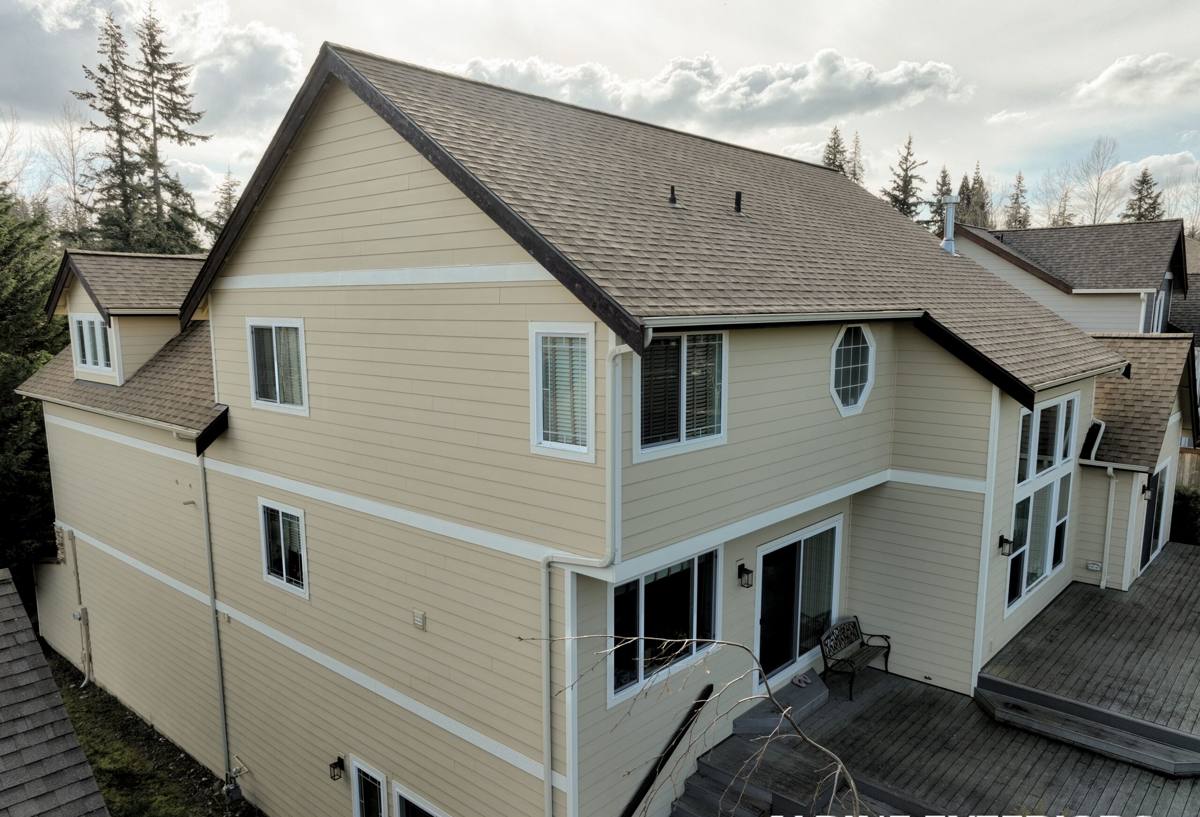
Signs a St. Petersburg Home Actually Needs New Windows
Not every drafty window needs full replacement — sometimes a reglaze or new weatherstripping buys real years. But in Pinellas County's climate, certain symptoms usually mean the window itself, not just the seal, has reached the end of its useful life:
- Fogging or a permanent haze between panes of double-glazed glass — the seal has failed and the insulating gas is gone
- Frames that feel soft, chalky, or pitted, especially aluminum frames near the coast
- Windows that are difficult to open, close, or lock — often a sign the frame has warped or corroded out of square
- Visible daylight or a noticeable draft around a closed window
- Water staining on the interior wall or sill after heavy rain, which usually points to a failed frame seal, not just a bad storm
- A jump in cooling costs that isn't explained by anything else in the home
If you're seeing two or more of these, it's worth having the windows looked at before the next storm season rather than after.
What Florida Building Code Means for a St. Petersburg Replacement
Pinellas County falls within Florida's wind-borne debris region under the Florida Building Code, and window replacement here isn't a simple swap-and-go job. Depending on where your home sits and the wind speed line that applies to your address, replacement windows typically need to be impact-rated, or paired with code-approved protection, and the work generally requires a permit and inspection through the local building department. This isn't a formality — it's what keeps a window in its opening during a storm instead of becoming a hole in your exterior wall.
A contractor who pulls permits, schedules inspections, and installs to the product's tested specifications is protecting your home's structural performance, not just checking a box. Skipping that process might save a few days now, but it can cost you at claim time if a window fails and there's no permit record to show it was installed correctly.
Impact-Rated vs. Standard Windows With Shutters
Homeowners near the coast generally choose between two approved approaches: impact-rated windows built with laminated glass that stays intact under impact, or standard windows combined with code-rated shutters or panels. Impact windows cost more upfront but require no action before a storm and offer year-round UV and noise reduction as a side benefit. Shutter systems cost less initially but require someone to deploy them every time a storm is forecast, which is a real consideration if the home is a rental, a second residence, or owned by someone who travels.
Choosing the Right Window for a Gulf Coast Home
Material and glass choice matter more here than in most parts of the country, because the window has to hold up to salt, sun, and wind pressure simultaneously. Here's how the common options compare for a St. Petersburg installation:
| Option | Coastal Durability | Maintenance | Typical Trade-Off |
|---|---|---|---|
| Vinyl, impact-rated | Good — resists corrosion, won't rust | Low — no painting or sealing needed | Limited color options; can soften in extreme heat if low-grade |
| Aluminum, impact-rated | Fair — strong but prone to salt corrosion over time | Moderate — needs periodic cleaning and hardware checks | Narrower sightlines look sharp but corrosion resistance depends heavily on coating quality |
| Fiberglass | Very good — dimensionally stable, resists salt and UV well | Low | Higher upfront cost than vinyl |
| Standard (non-impact) + shutters | Good, when shutters are deployed correctly | Moderate — shutters need maintenance and manual use | Lower upfront cost but requires action before every storm |
There's no single "best" answer — a rental property, a full-time residence, and a seasonal home each weigh these trade-offs differently. What matters is that whatever you choose is installed to spec, because even a top-tier window performs poorly if it's set into the opening wrong.
What a Correct Window Replacement Job Actually Involves
The window itself is maybe half the job. The other half is everything around it — the parts that determine whether wind-driven rain stays outside or ends up in your wall cavity. A correct installation includes:
- Removing the old window down to the rough opening, not just fastening a new frame over the old one
- Inspecting the framing and sill for rot, corrosion, or water damage before anything new goes in
- Installing flashing and a sealed weather barrier around the full perimeter of the opening, layered so water sheds outward at every point
- Setting the window level, plumb, and square, then anchoring it per the manufacturer's tested installation instructions — this is what preserves the product's impact and wind rating
- Sealing with the correct exterior sealant rated for sun and salt exposure, not a generic caulk that will crack within a year or two
- Finishing the interior — trim, insulation around the frame, and a clean, functional lock and operation check
Skip any one of these steps and the window may look fine for a while, but the first serious storm or the first few years of sun exposure will expose the shortcut — usually as a leak, a stuck sash, or a frame that's already starting to fail again.
Our Window Replacement Process
We keep the process straightforward and communicate at each stage, since replacing windows means living around the work for a few days:
- On-site assessment. We measure every opening, check the framing condition, and talk through material and glass options based on the home's exposure and your budget.
- Written estimate and product selection. You get a clear scope, product specifications, and pricing before any commitment — no vague allowances.
- Permitting. We handle the permit application and coordinate the required inspections with the local building department so the paperwork matches the work.
- Removal and prep. Old windows come out, the opening is inspected and repaired if needed, and flashing and weather barriers go in before the new unit is set.
- Installation. Each window is set to the manufacturer's tested method, sealed, and checked for proper operation and a square, weathertight fit.
- Final walkthrough and inspection. We review the completed work with you and get the required inspection signed off, so you have a documented, code-compliant installation on file.
Why a Crew That Already Works St. Petersburg Matters
A lot of window problems in this area trace back to installations done by out-of-town crews who didn't account for local conditions. A contractor based in the Tampa Bay area and familiar with St. Petersburg's building department knows what inspectors here actually check for, understands the wind-borne debris requirements that apply to specific neighborhoods, and has seen firsthand how salt air and UV affect different products over time — not just in a spec sheet, but in homes down the street.
That local track record also matters for the mundane parts of the job: knowing which older St. Petersburg homes have non-standard rough openings that need extra framing work, recognizing early corrosion on aluminum-frame houses before it becomes a bigger repair, and being available to come back quickly if anything needs adjustment after a storm rather than being a phone number from three counties away.
Keeping New Windows Performing in a Salt-Air Climate
New windows still need a little upkeep in this environment — it's minor compared to what old, failing windows require, but skipping it shortens the life of even a good product. A simple seasonal routine covers most of it:
- Rinse frames and tracks with fresh water every few months to clear salt buildup, especially on homes closer to the water
- Check and lubricate hardware — locks, hinges, rollers — once or twice a year
- Inspect exterior caulking annually and touch up any spot that's cracked or pulled away
- Clear debris from weep holes so water can drain out of the frame instead of pooling
- After any major storm, do a quick visual check of seals and frames even if nothing looks obviously wrong
These take a few minutes a couple of times a year and go a long way toward getting the full service life out of the investment.
Cost Factors to Expect
Window replacement pricing varies by opening size, glass type, frame material, and how much framing repair the removal uncovers. Rather than a flat per-window price, it's more useful to know what actually moves the number:
| Factor | Why It Affects Cost |
|---|---|
| Impact-rated vs. standard glass | Laminated impact glass costs more per unit but removes the ongoing cost and labor of shutters |
| Opening size and shape | Larger openings, arched windows, or custom shapes require more material and labor |
| Frame condition underneath | Rot or corrosion found during removal adds repair time before the new window can go in |
| Number of windows done at once | Doing multiple openings in one project typically lowers the per-window cost versus one-off replacements |
| Interior trim and finish work | Matching existing trim or painting adds labor beyond the window itself |
We give you an itemized estimate up front so you know exactly what's driving the price on your specific home, not a generic average that may not apply to your situation.
If your St. Petersburg home has windows that are drafty, fogged, hard to operate, or just old enough that you're wondering how much longer they'll hold up, we're happy to take a look. The estimate is free, there's no pressure to commit on the spot, and you'll get straight answers about what your home actually needs — use the form below to get started.